- The Anatomy of a Hair Accessory Headache
- The Medical Classification: External Compression Headache
- Why Clips Specifically Cause Problems
- Who's Most Prone to Clip Headaches
- The Cumulative Effect of Same-Spot Styling
- Immediate Relief: What to Do When It Happens
- When to See a Doctor About Styling-Related Pain
- Prevention: The Real Solution
- FAQ
- Related Articles
If hair clips give you headaches, you're not imagining it—and you're definitely not alone.
That throbbing pain after wearing a claw clip isn't weakness, sensitivity, or "making a big deal out of nothing." It's a recognized medical phenomenon with a specific cause: your clip is compressing nerves against your skull.
Understanding why this happens helps you prevent it. Here's the complete science behind why hair accessories cause headaches—and what makes some people more susceptible than others.
For solutions, see our complete guide to pain-free hair styling.
The Anatomy of a Hair Accessory Headache
Your scalp isn't just skin stretched over bone. It's a complex structure with multiple layers, blood vessels, muscles, and—critically—a dense network of sensory nerves.
The Nerves That Cause the Pain
Several major nerve pathways cross your scalp:
Supraorbital nerve:
- Runs from above your eye up across the forehead
- Responsible for sensation in the upper face and forehead
- Compression causes frontal headache
Supratrochlear nerve:
- Runs alongside the supraorbital nerve
- Covers the central forehead and upper nose bridge
- Often compressed by headbands or forehead-positioned clips
Auriculotemporal nerve:
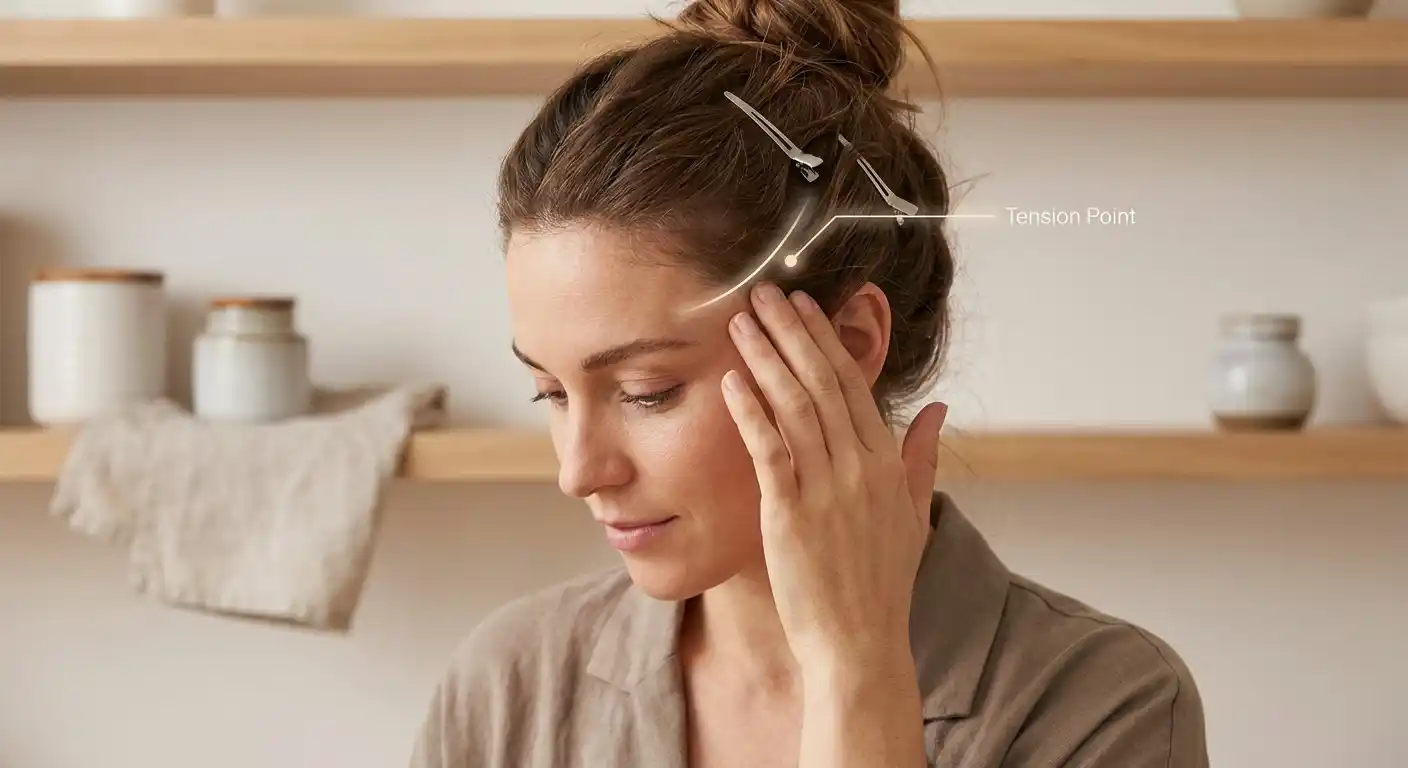
- Runs in front of and above the ear
- Covers the temple and side of the head
- Very commonly compressed by clips positioned at temples
Greater occipital nerve:
- Emerges at the back of the head near the neck
- Covers the back and top of the scalp
- Compression causes pain radiating up the back of the head
Lesser occipital nerve:
- Runs behind the ear toward the top of the head
- Covers the area behind the ear
- Compression causes pain behind and above the ear
How Compression Creates Pain
When a clip presses against your scalp:
- Direct compression: The nerve is squeezed between the clip and your skull
- Reduced blood flow: Compression restricts circulation to the nerve
- Nerve irritation: The compressed nerve becomes inflamed
- Pain signals: The nerve sends increasingly strong pain messages to your brain
- Referred pain: Because nerves connect, pain may appear far from the compression site
The longer compression continues, the more intense the pain becomes. What starts as mild discomfort can become a throbbing headache after hours of wear.
The Medical Classification: External Compression Headache
The International Headache Society (IHS) officially recognizes this condition in the International Classification of Headache Disorders (ICHD-3).
Diagnostic criteria for external compression headache:
- Headache develops within one hour of sustained external compression
- Pain is maximal at the site of compression
- Pain resolves within one hour after pressure is removed
- No evidence of other headache disorders
This isn't a vague complaint—it's a classified medical condition with specific diagnostic criteria. Research confirms that sustained pressure on scalp tissues causes measurable physiological changes that produce pain.
For more detail, see our dedicated guide on external compression headaches from hair clips.
Why Clips Specifically Cause Problems
Not all headwear causes equal discomfort. Hair clips create unique pain patterns because of how they're designed.
The Pressure Point Problem
Most claw clips have a bulky mechanism (hinge and spring) that creates a concentrated pressure point. Unlike a hat that distributes weight broadly, a clip focuses force on a small area.
Pressure = Force ÷ Area
A clip that weighs one ounce but contacts your scalp on a half-inch area creates significant pressure. That same ounce distributed across a 6-inch band (like a soft headband) creates much less pressure per square inch.
The Positioning Problem
Clips often end up positioned over sensitive nerve pathways:
- Temple clips compress the auriculotemporal nerve
- Crown clips can compress the supraorbital or supratrochlear nerves
- Back-of-head clips may compress occipital nerves
Unlike headbands you can adjust, clips must grip hair—which limits where they can practically sit.
The Duration Problem
You put your hair up in the morning and forget about it. Eight hours later, you have a pounding headache. The clip created slowly building pressure all day.
Short-term pressure that might be tolerable becomes painful with duration. This is why headaches often appear hours after styling, not immediately.
The Tight-Styling Problem
Clips that grip loosely fall out. So people style tightly—which adds tension headache to compression headache. Now you have:
- Compression from the clip mechanism
- Tension from tight styling pulling on follicles
- Muscular tension from scalp and neck muscles fighting the pull
Learn to style loosely while maintaining hold in our guide on how to reduce tension from hair clips.
Who's Most Prone to Clip Headaches
Individual susceptibility varies significantly. Several factors increase risk.
Migraine Sufferers
People with migraines are dramatically more likely to experience external compression headaches. Research shows their nervous systems are "sensitized"—hypersensitive to stimuli that wouldn't bother others.
For migraine sufferers:
- Even light pressure may trigger pain
- Compression may trigger full migraine attacks
- Recovery after removing pressure takes longer
- Prevention is especially important
If you have migraines, treat hair accessories as potential triggers.
Those with Thin Scalp Tissue
Less tissue between skin and skull means less cushioning. People with thin scalp tissue experience more direct nerve compression from the same clip that wouldn't bother someone with thicker tissue.
Those with Sensitive Nervous Systems
General sensitivity to physical stimuli correlates with clip-related pain. If you're sensitive to tags in clothing, seams in socks, or tight waistbands, you're likely sensitive to clip pressure too.
Stress and Tension Carriers
People who carry stress in their neck and shoulders often have chronically tense scalp muscles. Adding clip compression to existing tension creates cumulative pain.
Those with Prior Head or Neck Issues
Previous injuries, TMJ disorders, and cervical spine problems can all increase scalp sensitivity. The nervous system may be hypervigilant to head and neck stimuli.
The Cumulative Effect of Same-Spot Styling
Wearing a clip in the same position daily creates progressive problems.
Sensitization
Repeatedly compressing the same nerve pathway causes that pathway to become more sensitive over time. What was tolerable the first day becomes painful by the fifth day—even though nothing changed about the clip.
Tissue Changes
Chronic pressure can cause:
- Local inflammation that persists
- Tissue thinning at the pressure point
- Reduced blood flow affecting nerve health
- Muscle tension patterns that don't resolve
The "Breaking Point" Phenomenon
Many people report that clips "suddenly" started causing headaches when they'd worn them for years. This often represents cumulative sensitization—the breaking point after gradual changes.
Prevention: Rotate clip position daily. Never place clips in the exact same spot two days in a row. See our positioning guide: how to position hair clips to avoid headaches.
Immediate Relief: What to Do When It Happens
When a clip has triggered a headache:
Step 1: Remove the Pressure
Take the clip out immediately. Even if you need your hair up, remove it for at least 10-15 minutes.
Step 2: Gentle Massage
With fingertips, gently massage the compression site:
- Use small circular motions
- Don't press hard—the area is already irritated
- Massage for 2-3 minutes
- This helps restore blood flow
Step 3: Apply Gentle Cold or Warmth
Depending on what feels better:
- Cool compress for sharp, throbbing pain
- Warm compress for dull, aching pain
- Either can help—try both to see what works for you
Step 4: Over-the-Counter Pain Relief
If needed:
- Ibuprofen addresses both pain and inflammation
- Acetaminophen for pain relief without anti-inflammatory effect
- Follow package directions
Step 5: Rest the Area
Don't restyle immediately. Give the compressed nerves time to recover before introducing any pressure again.
For ongoing scalp pain, see scalp pain after wearing hair clips: causes, relief, prevention.
When to See a Doctor About Styling-Related Pain
Most clip headaches resolve quickly once pressure is removed. See a doctor if:
- Headaches persist more than a few hours after removing clips
- Pain is severe or feels different from typical tension/compression headaches
- You experience vision changes, numbness, weakness, or speech difficulties (seek immediate care)
- Headaches occur even without wearing hair accessories
- Pain significantly impacts your quality of life
- Over-the-counter relief doesn't help
A persistent pattern of accessory-triggered headaches, especially if you have migraines, may warrant neurological evaluation. Your doctor can assess whether there's an underlying condition contributing to sensitivity.
Prevention: The Real Solution
Understanding why clips cause headaches points directly to prevention:
Address compression:
- Choose flat-back clips without bulky pressure points
- Select lighter-weight designs
- Ensure clips grip hair, not scalp
Our top recommendation: The TELETIES Flat Round Clip eliminates pressure points with its completely flat back design.
Address positioning:
- Learn and avoid your scalp's sensitive zones
- Rotate positions daily
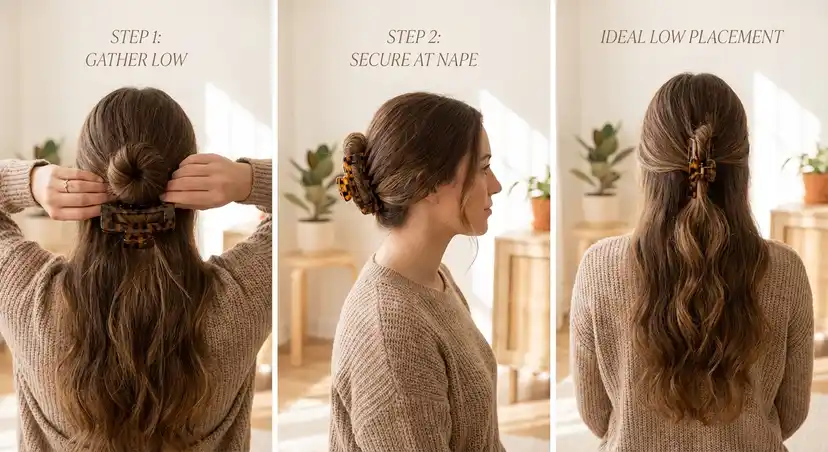
- Default to lower positions near the nape
Address duration:
- Take regular breaks
- Remove clips when not needed
- Limit all-day wear when possible
Address tension:
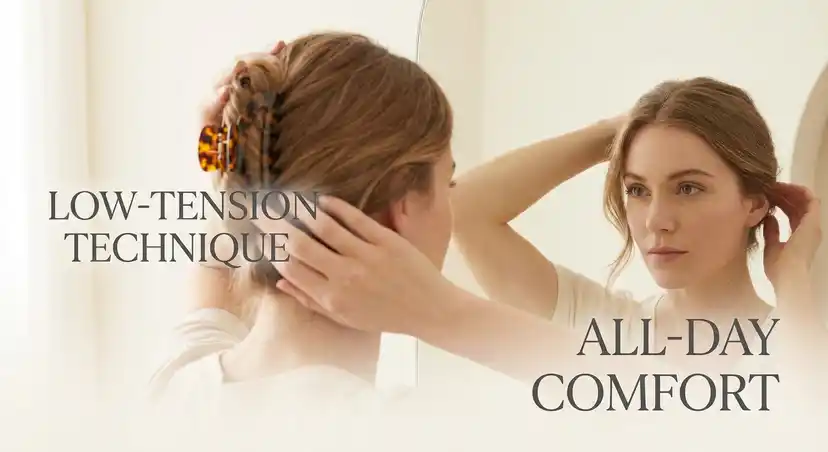
- Style loosely
- Don't rely on tight twists for hold
- Choose clips that grip well without requiring tight styling
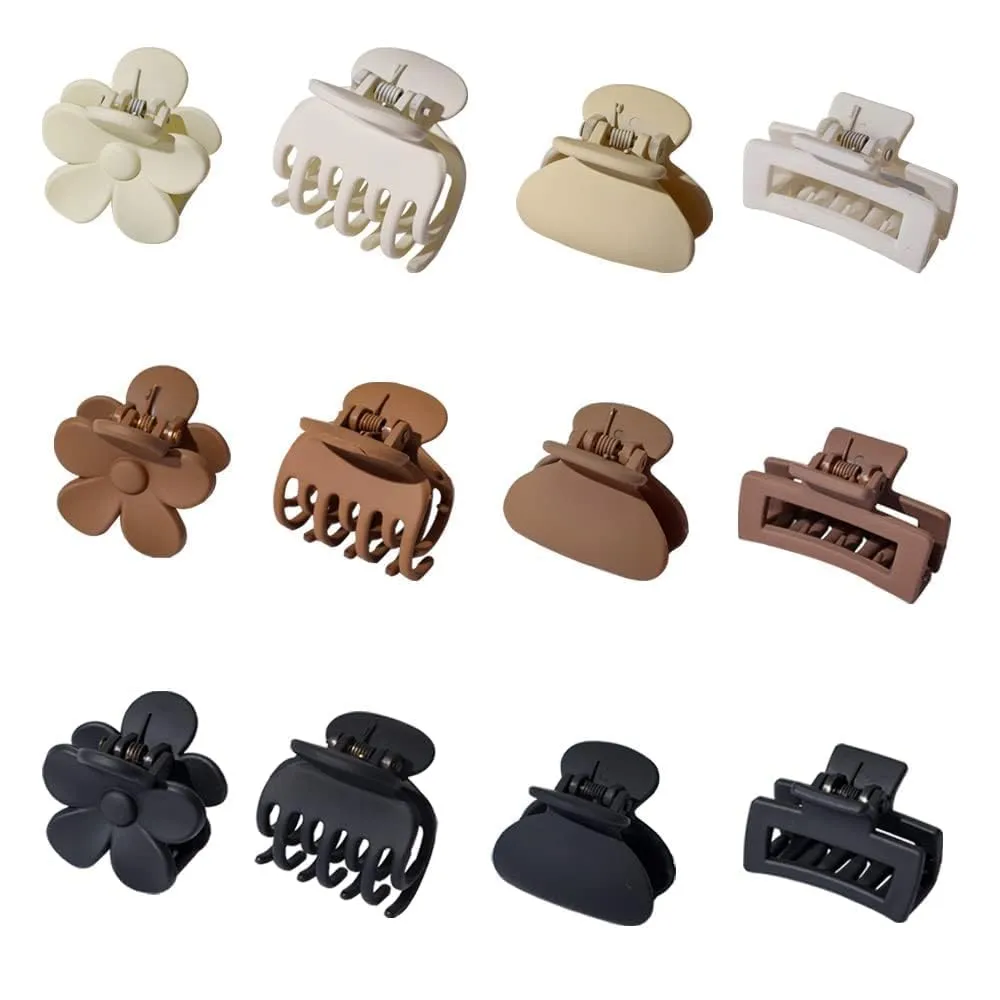
For ultra-lightweight options, try Mini Matte Jaw Clips—they create minimal pressure and are gentle on sensitive scalps.
For detailed prevention strategies, see our complete guide to pain-free hair styling.
FAQ
Are hair clip headaches dangerous?
External compression headaches themselves are not dangerous—they're uncomfortable but benign. However, if headaches are severe, persistent, or accompanied by other symptoms like vision changes or numbness, see a doctor to rule out other causes.
Why do I get headaches from clips but my friends don't?
Individual variation in nerve placement, scalp thickness, pain sensitivity, and underlying conditions all affect susceptibility. Migraine sufferers and those with generally sensitive nervous systems are much more prone to clip headaches.
Can I become immune to clip headaches over time?
Unfortunately, the opposite often happens—repeated compression can sensitize nerve pathways, making them more prone to pain over time. Prevention through proper clips and positioning is better than trying to "tough it out."
Do expensive clips cause fewer headaches?
Design matters more than price, but premium clips are often designed with comfort in mind. Quality acetate clips that distribute pressure and flat-back designs tend to be more comfortable regardless of price point.
Can clip headaches trigger migraines?
Yes. For migraine sufferers, external compression is a recognized trigger. What starts as a compression headache can escalate into a full migraine attack. Prevention is especially important for migraine-prone individuals.
Related Articles
- The Complete Guide to Pain-Free Hair Styling
- External Compression Headaches from Hair Clips
- Scalp Pain After Wearing Hair Clips
- How to Position Hair Clips to Avoid Headaches
- Best Claw Clips for Sensitive Scalps
- Best Claw Clips for All-Day Comfort
- How to Reduce Tension from Hair Clips
- Traction Alopecia from Hair Accessories
Mini Matte Jaw Clips (12 Pack)
Lightweight design creates minimal scalp pressure. Small size means less concentrated force on any one nerve pathway.
“Finally clips that don't trigger my headaches. The light weight is key....”
We tested dozens of claw clips to find the very best options. Below you'll find our complete ranking, with detailed reviews and real customer feedback for each pick.
The Complete Ranking
Mini Matte Jaw Clips (12 Pack)
“Finally clips that don't trigger my headaches. The light wei...” — Verified Buyer
Lightweight design creates minimal scalp pressure. Small size means less concentrated force on any one nerve pathway. Perfect for those prone to clip-related headaches.
“Finally clips that don't trigger my headaches. The light weight is key.”
— Verified Buyer
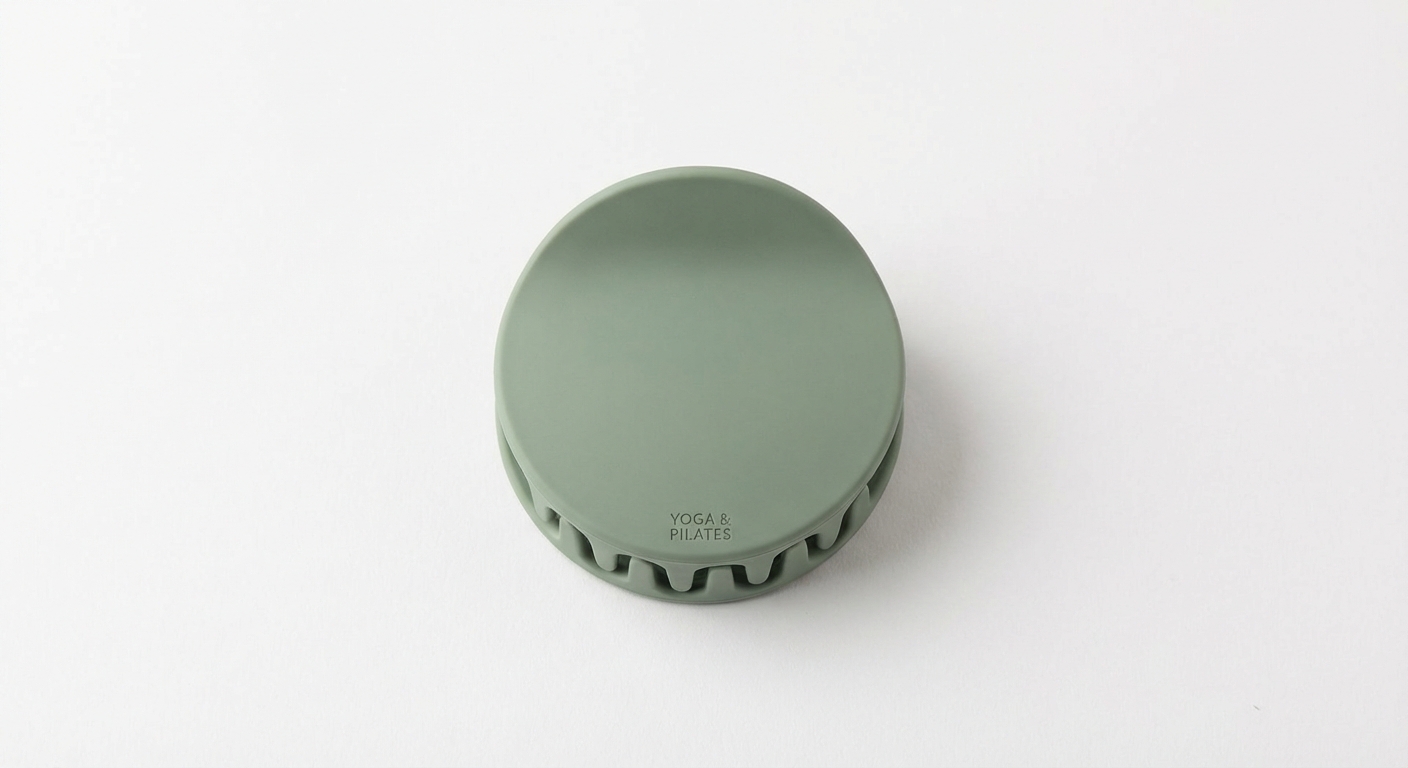
TELETIES Medium Flat Round Clip
“The flat design is a game-changer. No more headaches from th...” — Verified Buyer
Flat back eliminates the pressure point that typically compresses nerves. Designed specifically to avoid the bulky hinge mechanism that causes most clip headaches.
“The flat design is a game-changer. No more headaches from the clip pressing into my head.”
— Verified Buyer
Finally clips that don't trigger my headaches. The light weight is key.
Quick Comparison
A side-by-side look at our top picks
Frequently Asked Questions
It's not in your head (well, actually...)
Nerves under pressure
Some people are more sensitive

Donna Miller
Enjoyed This Guide?
Get more hair tips and product recommendations delivered weekly.