If you've ever snapped a hair clip in two, watched a claw clip slowly slide down your head, or needed three bobby pins where others use one, you understand the unique challenges of thick hair. But here's what most guides won't tell you: the problem isn't your hair—it's using accessories designed for average hair density.
After years of testing accessories across different hair types and interviewing professional stylists, the difference between a clip that fails and one that holds all day comes down to three factors: construction quality, size selection, and spring strength. Master these, and you'll never break another clip again.
Understanding Thick Hair: What Makes It Different
Thick hair isn't just about having a lot of hair—though that's certainly part of it. Hair thickness refers to both the density (how many strands you have) and often the diameter of individual strands. Many people with thick hair have both high density and coarse individual strands, creating a double challenge for accessories.
The Science Behind Thick Hair
Your scalp contains between 80,000 and 150,000 hair follicles, and those with thick hair typically sit at the higher end of this range. Combined with larger-diameter individual strands, this creates hair that:
- Weighs significantly more than average hair
- Creates more tension and resistance
- Requires stronger grip mechanisms
- Puts more stress on accessories
Understanding this helps explain why standard accessories fail. A clip rated to hold average hair simply can't handle 50% more weight and tension.
Common Characteristics of Thick Hair
Thick hair typically displays several telltale characteristics:
- High density: You can't easily see your scalp through your hair
- Natural volume: Your hair has body without styling products
- Heavy feeling: Especially noticeable when wet
- Elastics stretch out quickly: Hair ties lose their grip faster
- Clips struggle to close completely: Standard clips may not fully snap shut
If you recognize three or more of these characteristics, you likely have thick hair and need accessories specifically designed for higher demands.
What to Look For in Hair Accessories for Thick Hair
Choosing the right accessories for thick hair requires understanding which features actually matter. Here's what makes the difference between accessories that work and those that fail.
Size Matters: Go Bigger Than You Think
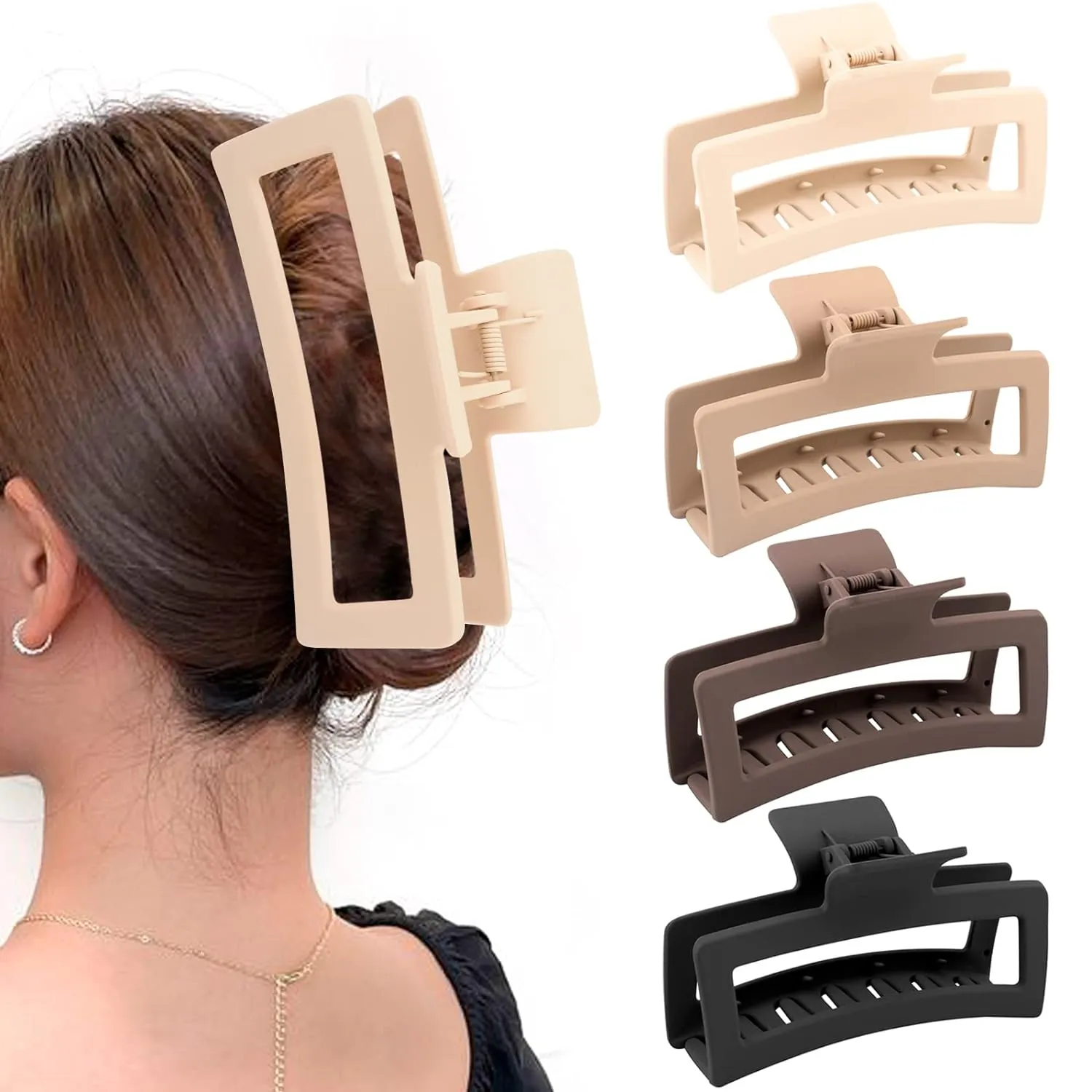
The most common mistake people with thick hair make is choosing clips that are too small. For claw clips, this means:
| Hair Volume | Recommended Claw Clip Size |
|---|---|
| Moderately thick | Large (3-4 inches) |
| Very thick | Jumbo/XL (4+ inches) |
| Thick and long | Jumbo with wide teeth |
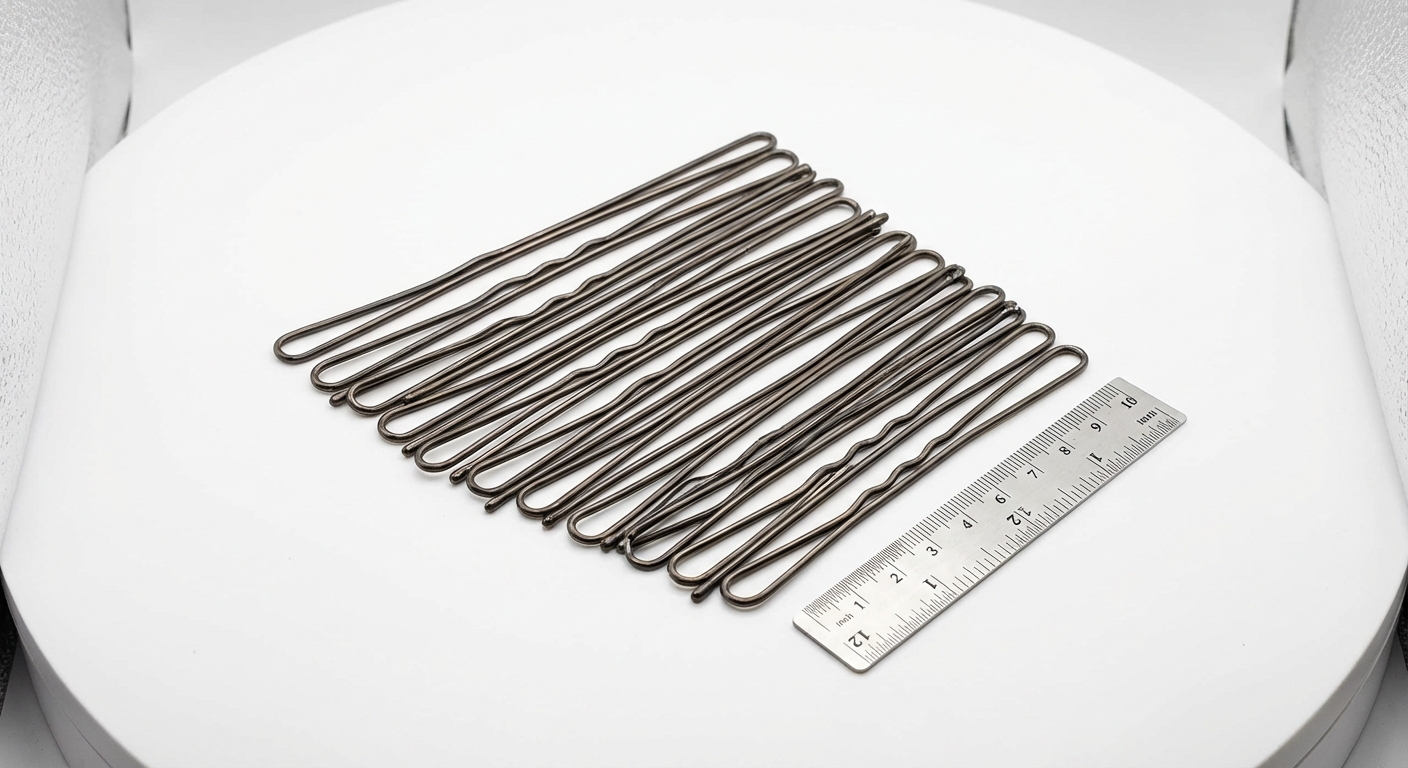
For bobby pins, standard sizes often slip out. Look for:
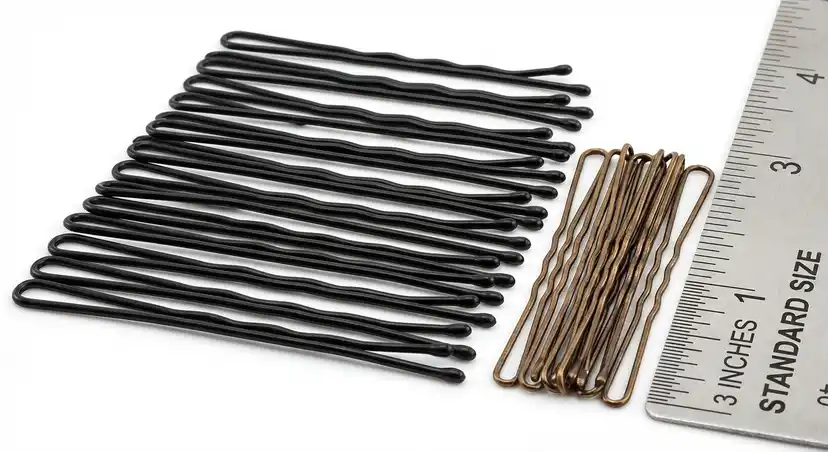
- Jumbo bobby pins: 2.75-3 inches long
- Extra-grip varieties: With textured or waved surfaces
- Professional-grade pins: Thicker metal gauge
Spring Strength: The Hidden Factor
Not all springs are created equal. The spring mechanism in claw clips determines how much tension the clip provides—and whether it can overcome the resistance of thick hair.
Signs of a strong spring:
- The clip requires effort to open
- It snaps shut firmly when released
- The tension feels consistent throughout the range of motion
Red flags:
- Opens too easily
- Closes slowly or weakly
- Makes a loose, rattling sound
For thick hair, metal springs outperform plastic nearly every time. While plastic springs are lighter and more affordable, they lack the tensile strength to maintain grip on heavier hair.
Material Quality: Built to Last
Thick hair puts accessories through stress tests that average hair simply doesn't. Material choice directly impacts durability:
Best materials for thick hair:
- Cellulose acetate: Premium, durable, won't shatter
- Stainless steel springs: Maintains tension over time
- Reinforced plastic: High-grade ABS or similar
Materials to avoid:
- Thin, brittle plastic that cracks under pressure
- Weak metal that bends and loses shape
- Cheap springs that lose tension quickly
Teeth Design: Grip Without Damage
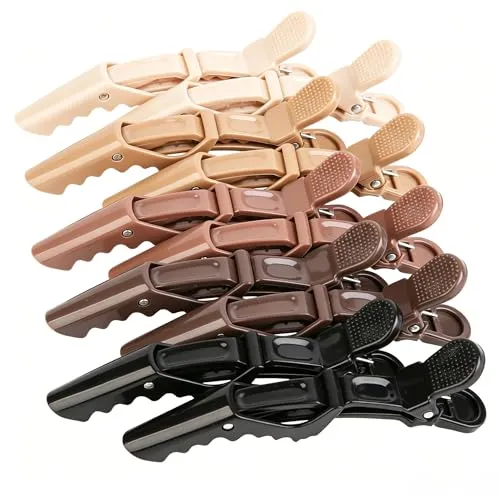
The teeth on a claw clip do the actual holding. For thick hair, tooth design matters more than you might expect:
- Wide-spaced teeth: Allow hair to settle between them naturally
- Curved teeth: Follow the shape of gathered hair
- Sufficient depth: Deep enough to grip substantial amounts of hair
- Smooth edges: Won't snag or damage hair
Clips with too-fine or too-shallow teeth will slide right off thick hair, no matter how strong the spring.
What to Avoid: Common Mistakes and Failures
Knowing what doesn't work is just as important as knowing what does. Here are the accessories and approaches that consistently fail for thick hair.
Accessories That Won't Work
Mini clips and small claw clips: These simply can't contain enough hair. Even for half-up styles, thick hair often overwhelms small accessories.
Standard bobby pins: Regular bobby pins lack the length and grip strength to anchor in thick hair. They'll slide out within hours, if not minutes.
Plastic spring clips: The plastic springs in budget claw clips can't generate enough tension and often snap under the stress of thick hair.
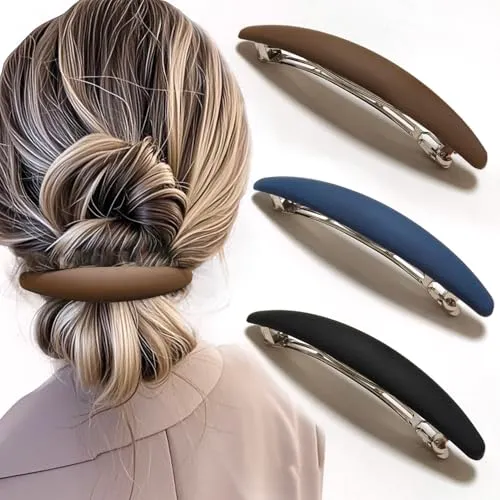
Narrow banana clips: While banana clips can work for thick hair, narrow versions won't accommodate the volume and create uncomfortable pressure points.
Styling Approaches That Fail
Gathering too much hair at once: Even with large clips, trying to secure all your hair in one handful creates too much bulk. Section your hair for better results.
Positioning clips too low: Clips placed low on the head have to fight gravity along with hair weight. Higher placement often improves hold.
Ignoring prep: Thick hair benefits from light texturizing spray or dry shampoo before styling. The added grip helps accessories stay in place.
Expert Styling Tips for Thick Hair
Professional stylists who work with thick hair daily have developed techniques that maximize accessory performance. Here are their top recommendations.
The Twist and Lift Technique
Instead of simply gathering hair and clamping:
- Gather your hair loosely where you want the clip
- Twist the length 2-3 times to compress the volume
- Fold or roll the twisted section upward
- Position the clip over the folded section
- Adjust so teeth grip the scalp-side of the fold
This technique reduces the bulk your clip needs to grip while creating a more secure hold.
Strategic Sectioning
For thick hair, working in sections often produces better results than trying to style all your hair at once:
- Half-up styles: Section the top half before clipping
- Low buns: Create a ponytail first, then twist and clip
- French twists: Work with vertical sections for easier handling
Bobby Pin Anchoring
When bobby pins are necessary, use professional techniques to maximize hold:
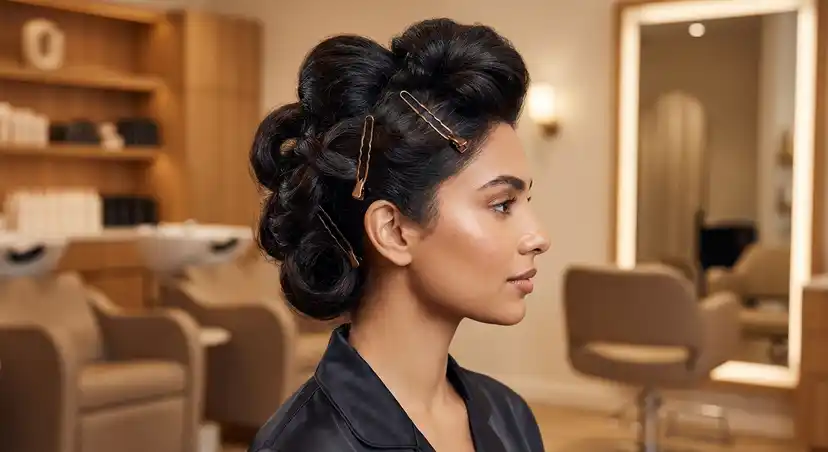
- Cross-anchor: Insert two pins in an X pattern
- Wavy side down: The textured side should face your scalp
- Weave through: Push pins through a small section, not just over hair
- Spray first: Apply hairspray where you'll place pins
Using these methods, you can achieve secure holds even with challenging thick hair.
Daily Styling Ideas for Thick Hair
Thick hair is incredibly versatile once you have the right accessories and techniques. Here are styles that work particularly well.
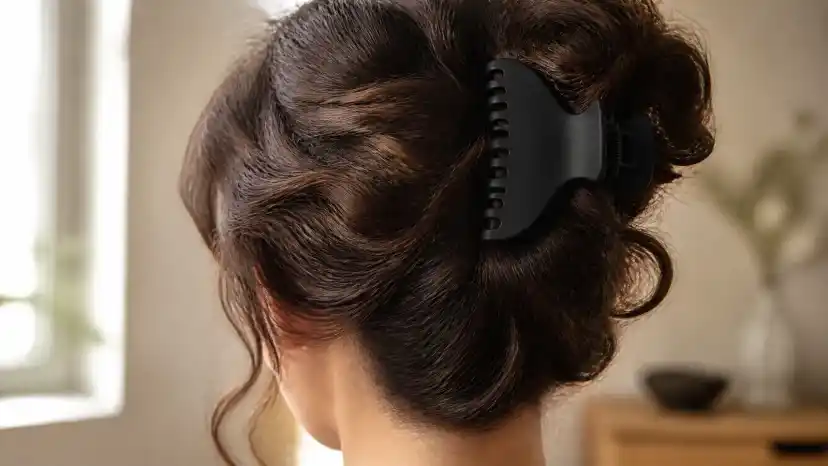
The Easy Claw Clip Twist
Perfect for: Work, errands, casual occasions
- Gather hair at the back of your head
- Twist loosely and fold upward
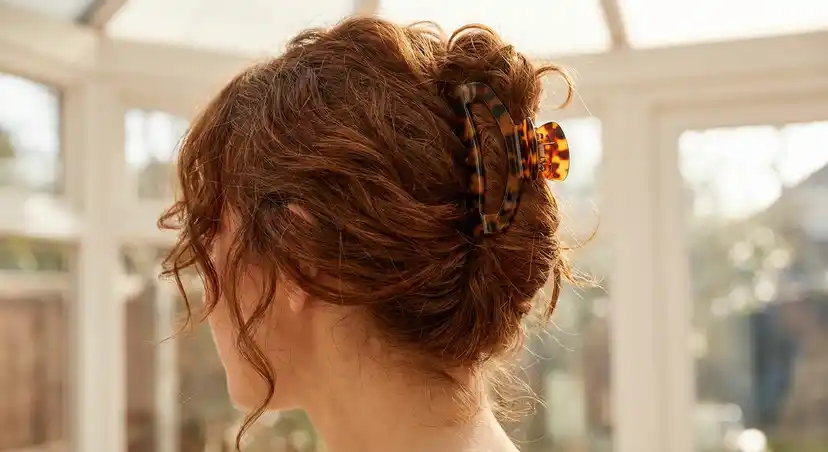
- Secure with a jumbo claw clip
- Pull a few face-framing pieces free
Time required: 30 seconds Hold duration: All day with proper clip
The Half-Up Power Hold
Perfect for: When you want hair down but out of your face
- Section the top third of your hair
- Twist gently at the crown
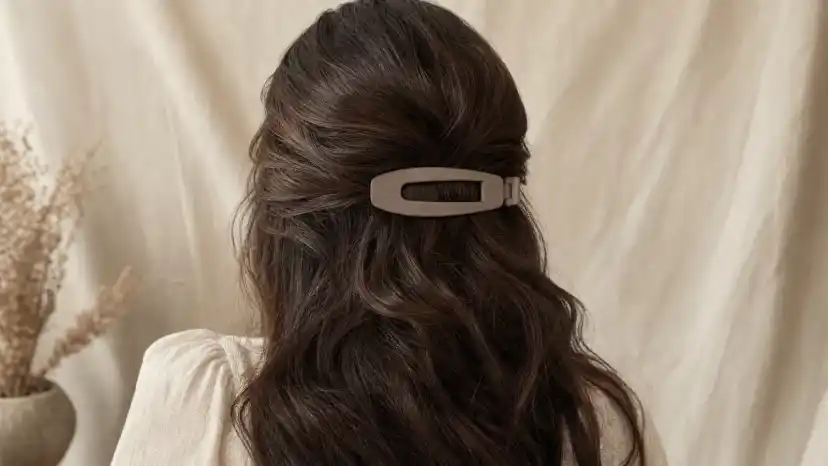
- Secure with a large claw clip
- Let remaining hair fall naturally
Time required: 15 seconds Hold duration: All day
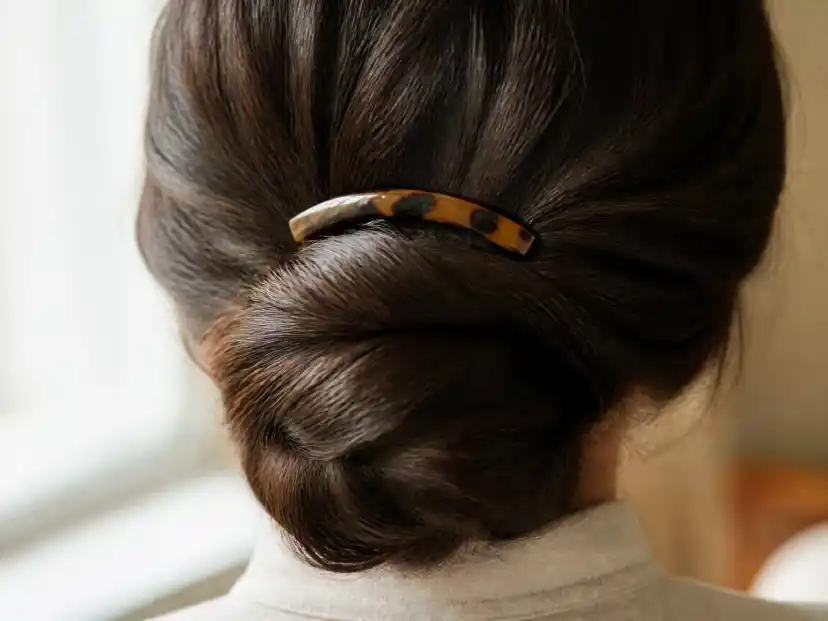
The Thick Hair Low Bun
Perfect for: Professional settings, special occasions
- Create a low ponytail with a strong elastic
- Twist the tail around the elastic base
- Secure with jumbo bobby pins or a large clip
- Smooth flyaways with a light gel or serum
Time required: 2 minutes Hold duration: All day
Caring for Your Hair Accessories
Quality accessories for thick hair are an investment. Proper care extends their lifespan significantly.
Cleaning Your Clips
Over time, clips accumulate product residue, oils, and debris. Clean them monthly:
- Mix warm water with a drop of gentle shampoo
- Use a soft toothbrush to scrub teeth and hinges
- Rinse thoroughly with clean water
- Dry completely before storing
Maintaining Spring Tension
To preserve spring strength:
- Don't leave clips open for extended periods
- Avoid overstuffing clips beyond their capacity
- Store in a way that doesn't compress the spring
- Replace clips that start losing tension
Storage Best Practices
Proper storage prevents damage and extends accessory life:
- Keep clips in a dedicated drawer or container
- Avoid tossing them loose in bags where they can be crushed
- Store bobby pins in a magnetic holder to prevent loss and bending
Frequently Asked Questions
Why do my claw clips keep breaking?
The most common causes are: clips that are too small for your hair volume, poor-quality plastic construction, or forcing clips to hold more hair than they're designed for. Upgrade to jumbo clips with metal springs and cellulose acetate construction.
How many bobby pins should I use for thick hair?
This depends on the style, but expect to use 50-100% more than instructions suggest. For a simple half-up style, 4-6 jumbo bobby pins typically work where others might use 2-3 standard pins.
Can thick hair damage hair accessories?
Yes. The weight and tension of thick hair can break weak clips, bend bobby pins, and stretch out elastics. This is why investing in quality accessories designed for thick hair saves money long-term.
Should I use different accessories for different styles?
Absolutely. Build a collection that includes:
- 2-3 jumbo claw clips in different styles
- A pack of jumbo bobby pins
- Strong elastic bands (not thin ones)
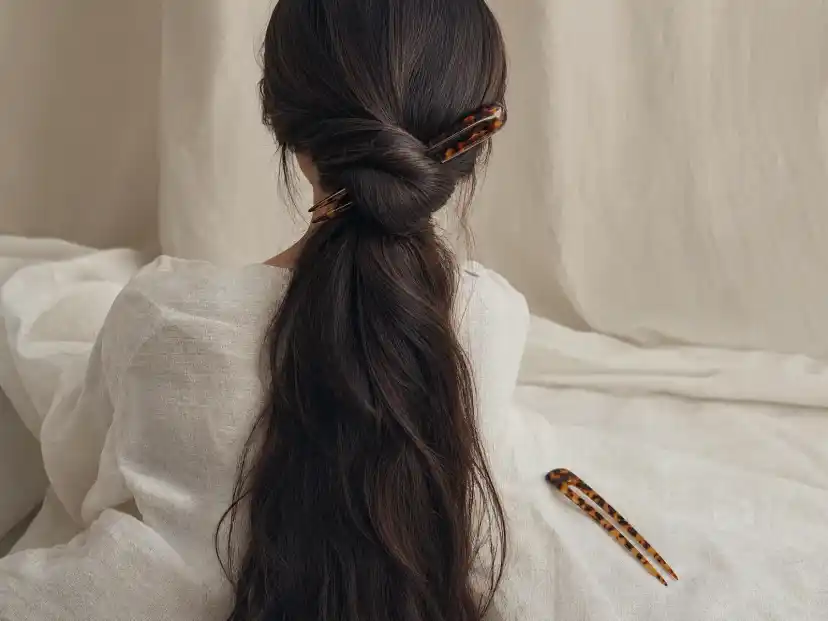
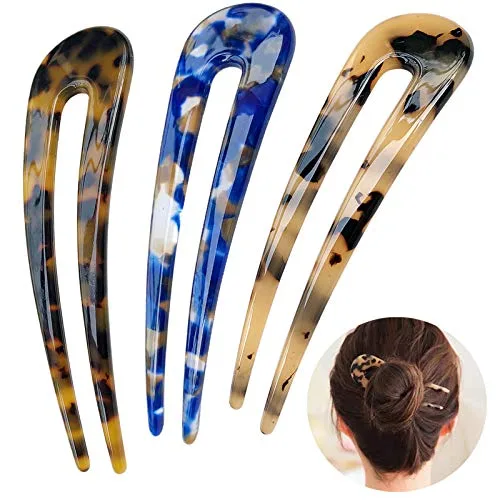
- A large banana clip or French twist comb for formal occasions
How do I know if a clip is strong enough before buying?
Test the spring resistance in-store if possible. Look for clips that require effort to open and snap shut firmly. Read reviews specifically from people with thick hair—their experience will be more relevant than general reviews.
Is it worth spending more on premium clips?
For thick hair, yes. Premium clips with quality springs and materials typically last years, while budget clips may break within weeks. Calculate cost-per-use rather than purchase price.
Conclusion
Styling thick hair doesn't have to be a daily battle with breaking clips and sliding pins. The key is understanding that your hair has different needs and choosing accessories that meet those demands.
Focus on these fundamentals:
- Size up: Choose larger clips than you think you need
- Prioritize springs: Metal springs outperform plastic
- Quality materials: Invest in durable construction
- Learn techniques: Proper styling methods maximize hold
With the right accessories and techniques, thick hair becomes an asset rather than a challenge. Those lush, voluminous locks deserve accessories that can keep up with them—and now you know exactly what to look for.