Every curly-haired person knows the sinking feeling: you spend time perfecting your curls, then put in a clip that leaves a visible dent, causes frizz, or flattens your carefully cultivated definition. The truth is, most hair accessories were designed with straight hair in mind—and curly hair deserves better.
The good news? Once you understand what curly hair needs from accessories, you can style freely without sacrificing your curl pattern. The key lies in choosing accessories that work with your texture rather than against it, and learning techniques that preserve curl integrity.
Understanding Curly Hair: Unique Needs and Challenges
Curly hair isn't just straight hair with bends—it has fundamentally different structural characteristics that affect how it interacts with accessories.
The Science of Curly Hair
What makes hair curl is the shape of the hair follicle. Curly hair grows from asymmetrical, oval follicles that cause the strand to curve as it emerges. This curl pattern creates:
- Uneven cuticle layers: The outer layer of curly hair doesn't lie flat, making it more susceptible to friction and frizz
- Natural porosity: Curly hair often absorbs and loses moisture more readily
- Spring factor: Curly hair has "memory"—it wants to return to its natural pattern
- Variable thickness: A single curl can have thicker and thinner sections along its length
These characteristics mean accessories that work perfectly on straight hair can damage curly hair's delicate structure.
The Curl Type Spectrum
Curly hair exists on a spectrum, and different curl patterns have different accessory needs:
| Curl Type | Pattern | Accessory Considerations |
|---|---|---|
| 2C | Deep waves | Moderate—waves are more forgiving |
| 3A | Loose spirals | Watch for dent-causing clips |
| 3B | Springy ringlets | Need curl-preserving techniques |
| 3C | Tight corkscrews | Extra care with clips and pins |
| 4A-4C | Coily patterns | Specialized accessory approaches |
Understanding your curl pattern helps you choose accessories and techniques that preserve your specific texture.
Common Challenges for Curly Hair
If you have curly hair, you've likely experienced:
- Clip dents: Visible flattened sections where accessories pressed
- Frizz halo: Accessories disrupting the outer curl layer
- Lost definition: Curls separating or losing their clump
- Uneven wear: Some curls holding while others fall
- Tangling: Hair wrapping around accessory mechanisms
These challenges aren't inevitable—they're symptoms of using the wrong accessories or techniques.
What to Look For in Curl-Friendly Accessories
Accessories that work for curly hair share specific characteristics that protect curl pattern, prevent frizz, and provide secure hold.
Smooth, Snag-Free Surfaces
The single most important factor for curly hair accessories is surface quality:
What to look for:
- Polished, seamless edges
- Smooth tooth surfaces without rough spots
- Coated metals that won't catch
- Rounded, finished edges
What creates problems:
- Rough seams where mold pieces joined
- Sharp or unfinished edges
- Exposed metal prongs
- Textured grips (which work for fine hair but snag curls)
Run your finger over any accessory before using it on curly hair. If you feel any roughness, it will catch and frizz your curls.
Gentle, Even Pressure
Curly hair needs accessories that distribute pressure evenly rather than creating pressure points:
Ideal characteristics:
- Wide teeth that cradle multiple curls
- Curved designs that follow curl shapes
- Springs that close evenly, not with sudden snapping
- Open designs that don't compress curls tightly
Avoid:
- Narrow clips that create visible dents
- Strong springs that crush curl volume
- Tight grip mechanisms that flatten patterns
Curl-Pattern Accommodation
The best accessories for curly hair have designs that work with natural curl behavior:
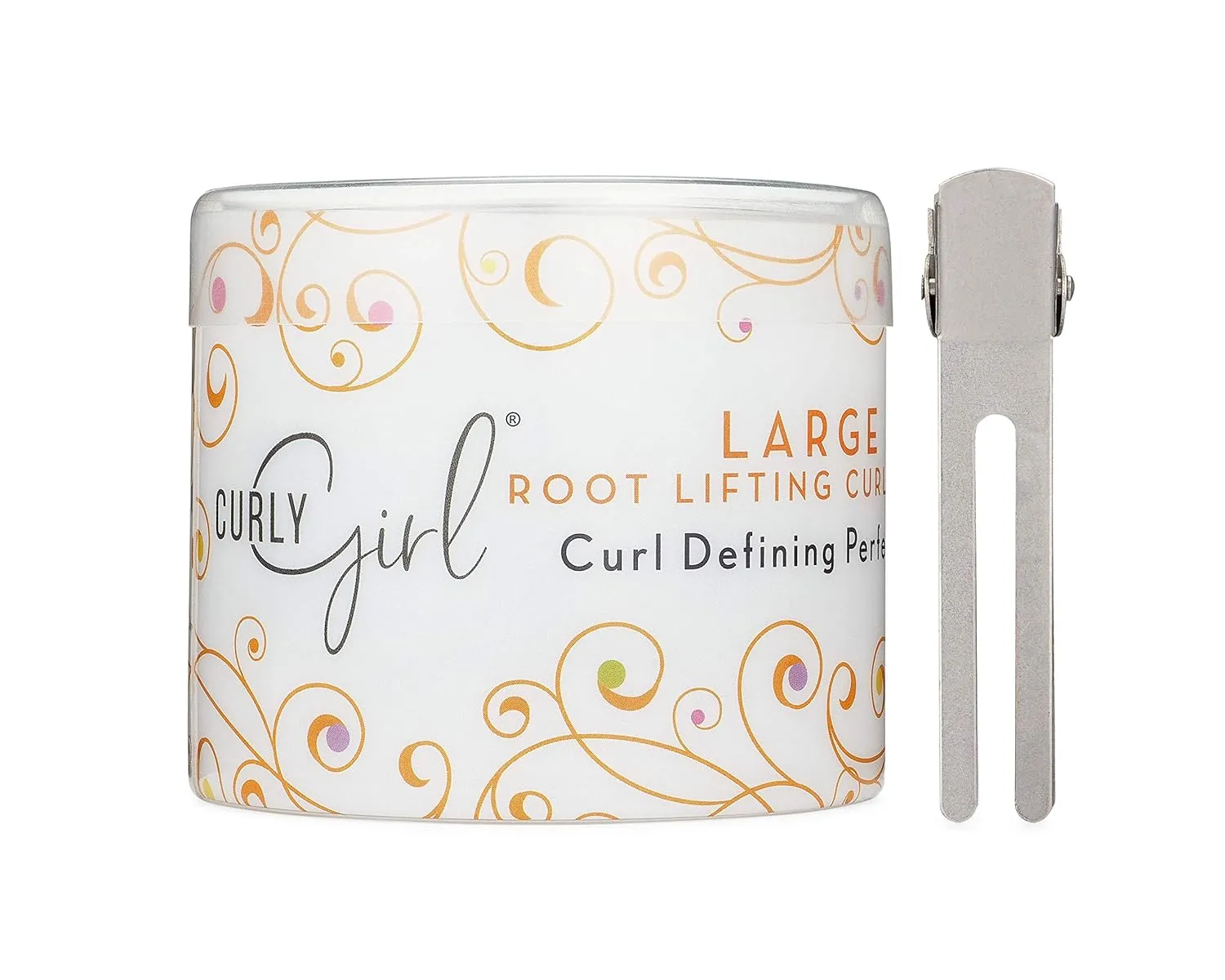
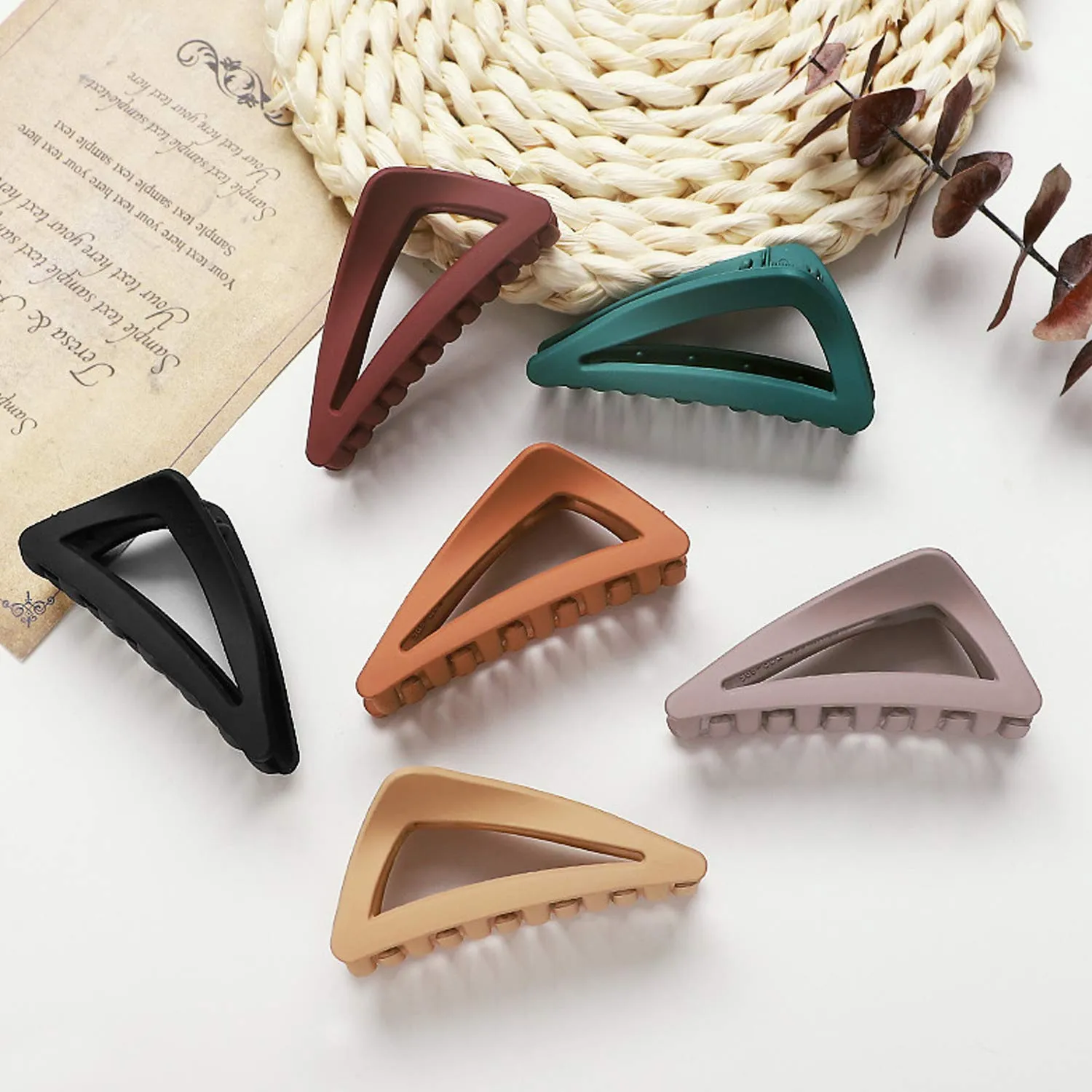
- Open-center claw clips: Allow curls to expand and maintain shape
- Curved teeth: Match the natural curve of gathered curls
- Flexible materials: Give slightly when curls push against them
- Wide tooth spacing: Let individual curls settle naturally
Material Recommendations
For curly hair, material choice significantly impacts results:
Best materials:
- Cellulose acetate: Smooth, lightweight, won't snag
- Coated metal: Smooth surface with durability
- Satin-finished plastic: Gentle on curl cuticle
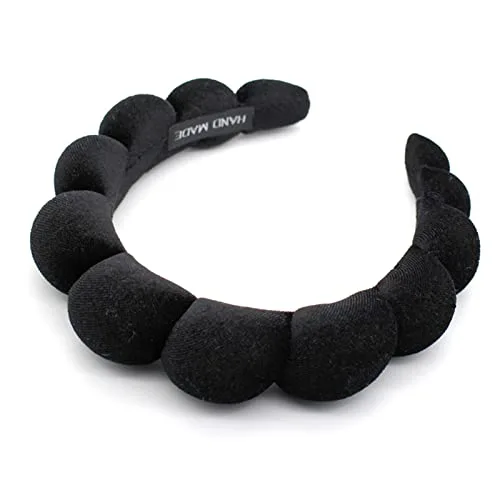
- Silk or satin fabric covers: Zero friction option
Caution with:
- Uncoated metal pins and clips
- Textured or rubberized surfaces
- Rough plastic edges
What to Avoid: Accessories That Damage Curls
Certain accessories consistently cause problems for curly hair. Knowing what to skip saves both frustration and frizz.
Accessories That Cause Frizz
Rough-edged clips: Even small rough spots catch the raised cuticle of curly hair, creating frizz with every movement.
Tight elastic bands: These break the hair and disrupt curl clumps. If you must use elastics, choose spiral coil types or satin-covered options.
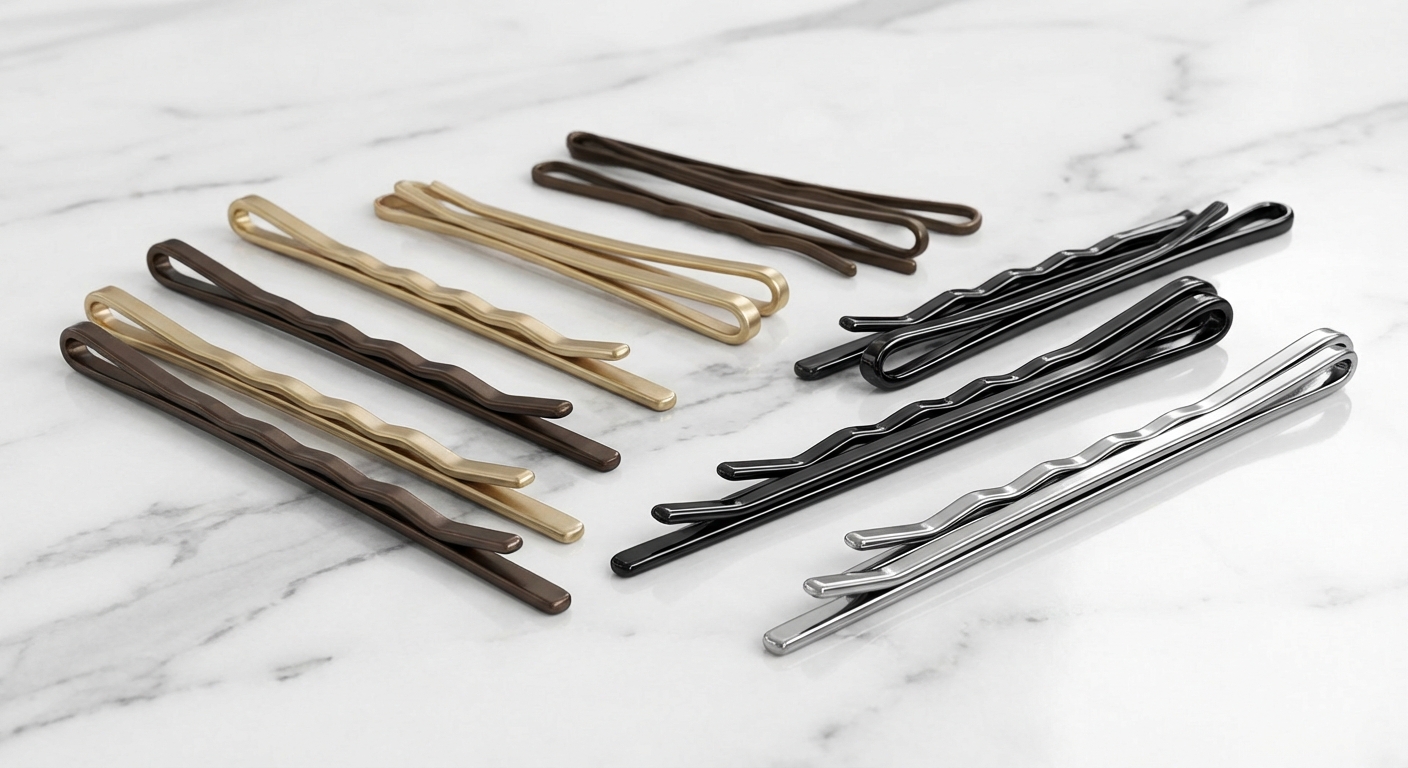
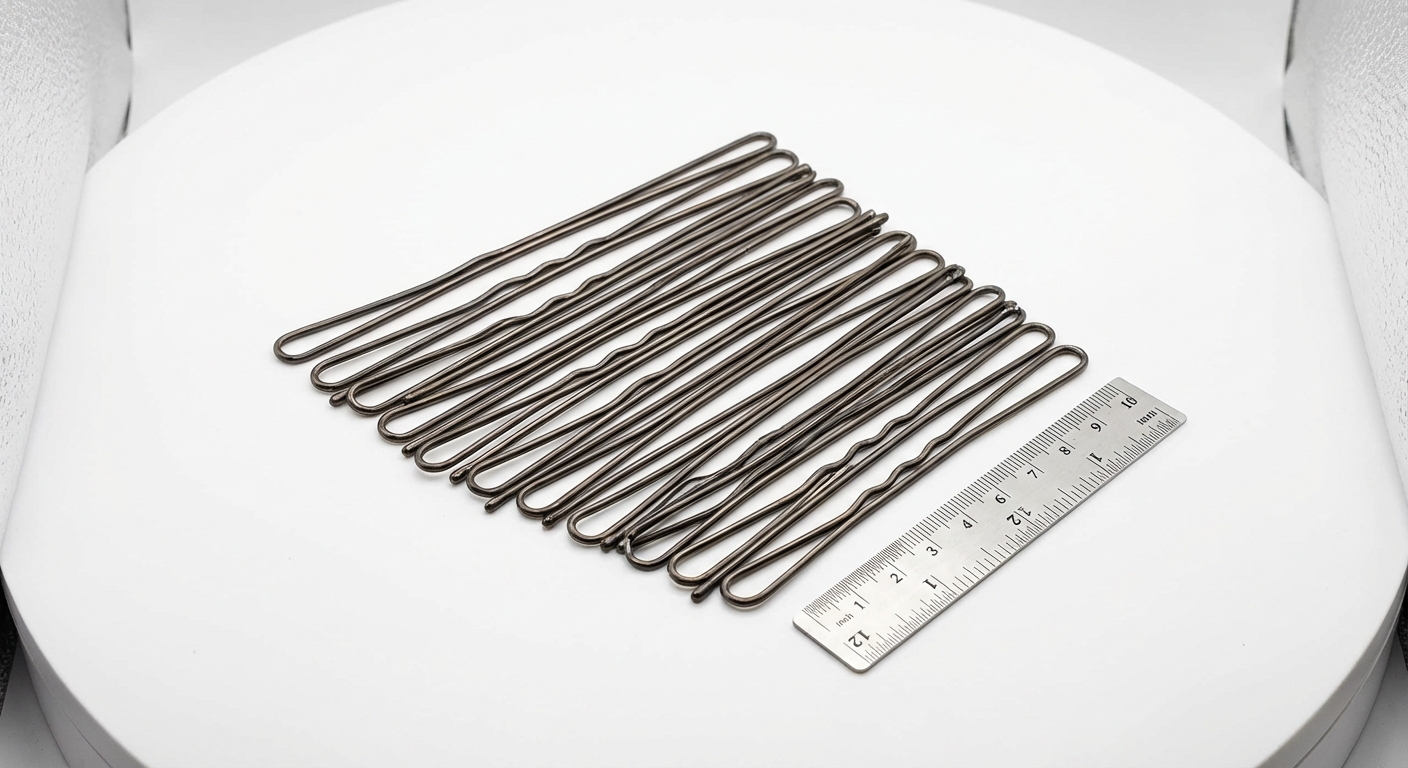
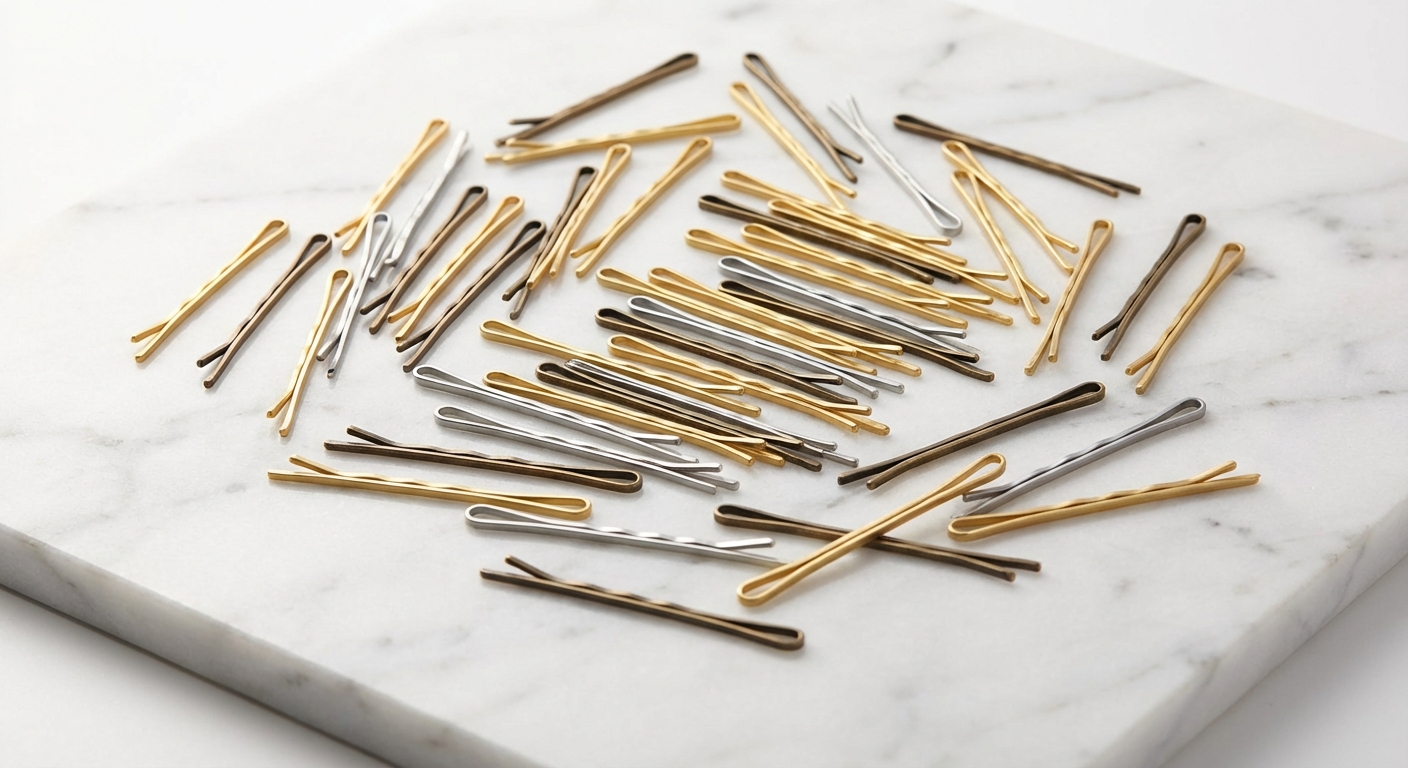
Metal bobby pins without coating: The raw metal edge catches curly strands and creates tiny tangles that become frizzy sections.
Claw clips with narrow teeth: The concentrated pressure from narrow teeth leaves visible dents and flattens curl pattern.
Techniques That Harm Curls
Brushing before clipping: Running a brush through curly hair before styling separates curl clumps and creates frizz. Instead, finger-comb gently.
Tight, pulled-back styles: These stretch curls out of their natural pattern and can cause breakage at the hairline.
Sleeping with clips in: The pressure against your pillow crushes curls and creates severe dent patterns.
Repeated adjustment: Taking clips in and out repeatedly disturbs the curl pattern more than leaving them alone.
Expert Techniques for Curl-Safe Styling
Stylists who specialize in curly hair have developed methods that preserve curl integrity while achieving secure holds.
The Pineapple Technique
The classic curly-hair overnight style also works for daytime:
- Flip your head forward letting all hair fall toward your forehead
- Gather loosely at the very top of your head
- Secure with a satin scrunchie or gentle clip
- Allow curls to cascade from the high point
This positions hair where accessories won't create visible dents while keeping curls off your face.
The Curl Clump Clip
For half-up styles that preserve curl definition:
- Identify natural curl clumps in the section you want to secure
- Keep clumps together—don't separate them
- Position your clip around whole clumps, not through them
- Adjust so the clip holds the base of curls, not mid-length
This maintains curl definition while securing hair.
The Loose Twist Method
For securing curly hair without compression:
- Gather hair gently without pulling tight
- Twist very loosely—just 1-2 rotations
- Fold against your head maintaining volume
- Position clip over the fold, not through hair
- Never flatten—let curls maintain their spring
The Bobby Pin Float
When you need bobby pins in curly hair:
- Choose coated pins with smooth surfaces
- Position the pin flat against your scalp, under the curl layer
- Slide through just the base of curls, not mid-strand
- Let curls float above the pin naturally
This secures the style while letting curls behave naturally.
Curl-Preserving Styles
These styles are specifically designed to work with—not against—curly hair's natural behavior.
The Curly Girl Half-Up
Perfect for: Showing off your curls while managing face-framing sections
- Allow hair to dry completely in its natural pattern
- Identify where your hairline curls meet your crown curls
- Gently separate this front section without breaking clumps
- Gather at the crown, keeping curl clumps intact
- Secure with a wide claw clip or scrunchie
- Arrange secured curls to fan out naturally
Result: Face is clear, curls intact, no visible dents.
The Curly Low Twist
Perfect for: Second or third day curls that need refreshing
- Refresh curls with water or curl refresher spray
- Gather hair at the nape without pulling
- Twist very loosely, maintaining clump integrity
- Roll the twist against your head
- Secure with a large claw clip from below
Result: A romantic, effortless look that actually enhances curl pattern.
The Protective Puff
Perfect for: Active days, workouts, keeping curls safe
- Gather all hair at the very top of your head
- Secure with a satin scrunchie or gentle coil
- Allow the puff of curls to expand naturally
- Optional: wrap the base with a silk scarf
Result: Curls are protected and will release perfectly when you take them down.
The Decorative Accent
Perfect for: Adding style without affecting curl pattern
- Choose smooth, coated decorative pins or combs
- Select a section at your hairline or behind your ear
- Slide the accessory in parallel to your scalp
- Position under a curl clump, not through it
Result: Beautiful accessory detail with zero disruption to curls.
Caring for Curly Hair with Accessories
Curly hair requires specific care practices when using accessories regularly.
Before Styling
Wait for curls to dry: Accessorizing wet curls locks in weird shapes and creates dent patterns.
Apply products first: Curl cream, gel, or mousse creates a cast that protects against friction.
Scrunch out crunch: If using gel, scrunch out any crunch before adding accessories.
Finger-comb only: Never brush or comb curly hair before styling—this destroys definition.
While Wearing Accessories
Check the mirror: Ensure curls aren't being compressed or distorted.
Adjust loosely: If repositioning, be gentle and minimal.
Limit wear time: Take accessories out when you don't need them to prevent dent formation.
Choose positions wisely: Place clips where dents would be least visible.
After Removing Accessories
Release gently: Open clips fully before removing rather than pulling.
Revive compressed curls: Shake your head gently or flip upside down to restore volume.
Water refresh: Light misting can revive curls that have lost definition.
Hands off: Avoid touching curls too much, which creates frizz.
Frequently Asked Questions
How do I prevent my claw clip from leaving dents in my curls?
Choose clips with wide, curved teeth that cradle curls rather than compress them. Position clips over loosely twisted or folded hair rather than directly clamping curl clumps. Consider clips with open centers that allow curls to expand.
Can I use bobby pins with curly hair?
Yes, but choose coated pins with smooth surfaces. Position them at the base of curls near the scalp rather than mid-curl. Use the "bobby pin float" technique where pins sit flat against your scalp under the curl layer.
Why does my curly hair frizz when I use clips?
Frizz usually comes from rough accessories catching on the raised cuticle of curly hair, or from repeatedly adjusting clips. Switch to smooth, snag-free accessories and minimize touching styled hair.
What's the best accessory for curly hair updos?
Satin scrunchies and large, open-center claw clips tend to work best. They provide hold without tight compression, and their smooth surfaces don't cause frizz. Decorative combs can also work well when positioned correctly.
How do I preserve my curl pattern in a ponytail?
Use a satin scrunchie or spiral hair tie instead of traditional elastics. Position the ponytail higher on your head to minimize dent visibility. Keep the tie loose enough that curls maintain their clump.
Should I avoid accessories entirely with curly hair?
Not at all! The key is choosing the right accessories and techniques. Curly hair can look stunning with claw clips, pins, scarves, and other accessories—you just need curl-friendly options and gentle handling.
Conclusion
Curly hair and accessories can absolutely coexist beautifully. The principles to remember:
- Smooth surfaces prevent frizz: Always check for snags before using
- Gentle pressure preserves curls: Avoid tight, compressing accessories
- Work with curl clumps: Don't separate what nature joined
- Position strategically: Place accessories where dents won't show
- Handle minimally: Less touching means less frizz
Your curls are unique and beautiful—they just need accessories that understand them. With the right choices and techniques, you can style confidently knowing your curls will look just as good when you take accessories out as they did going in.