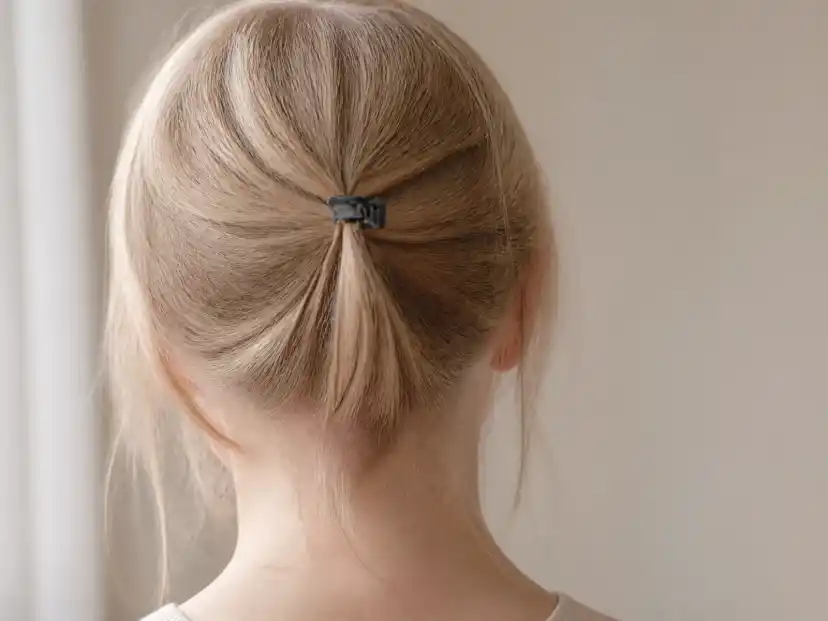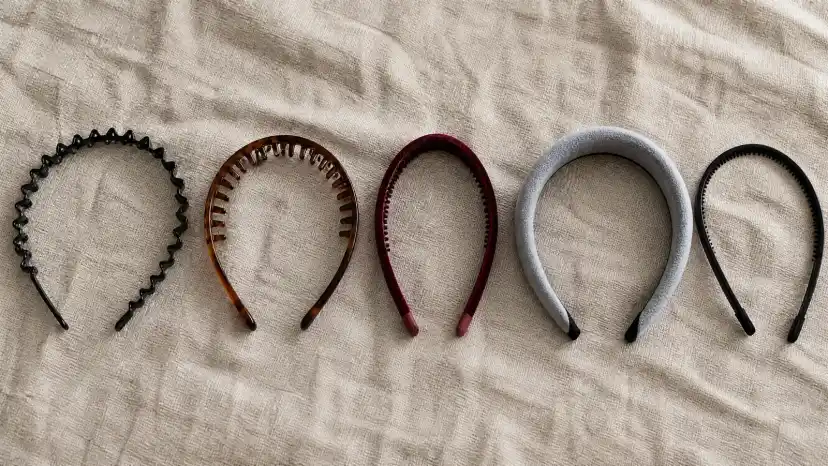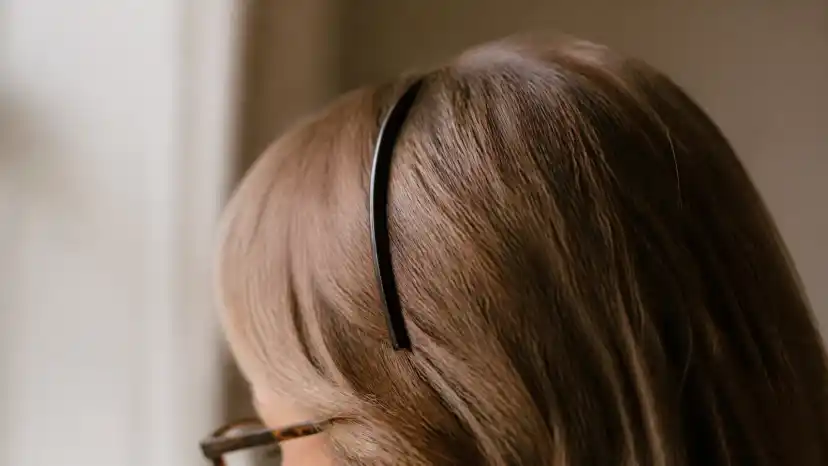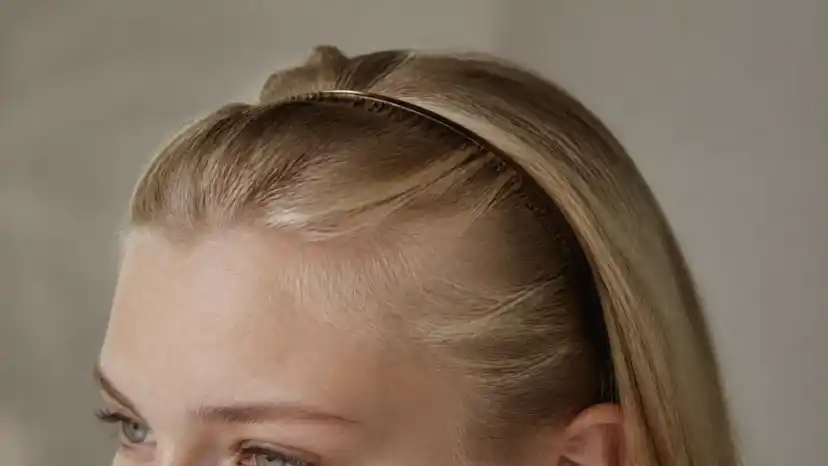
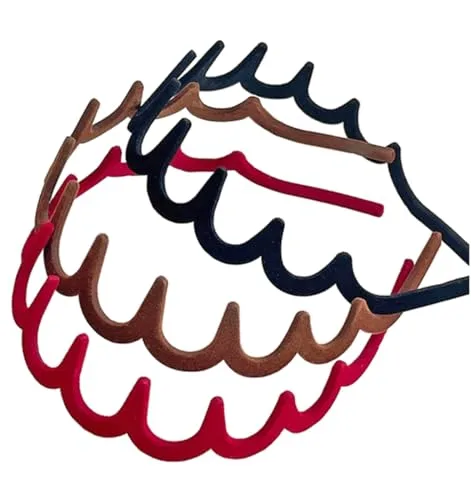
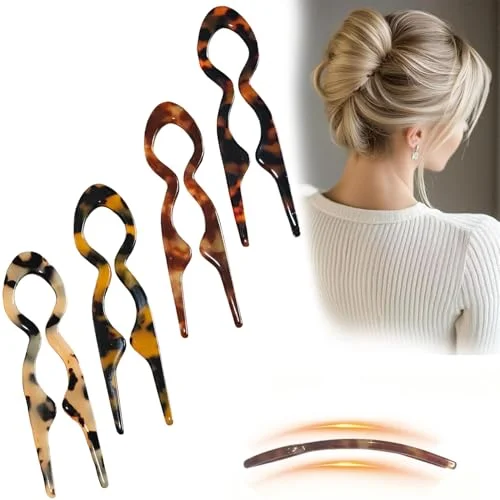
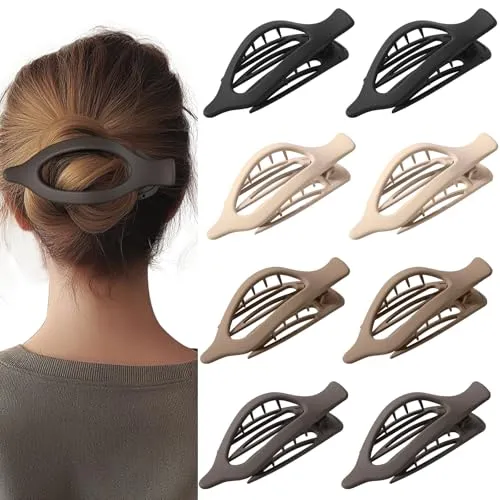
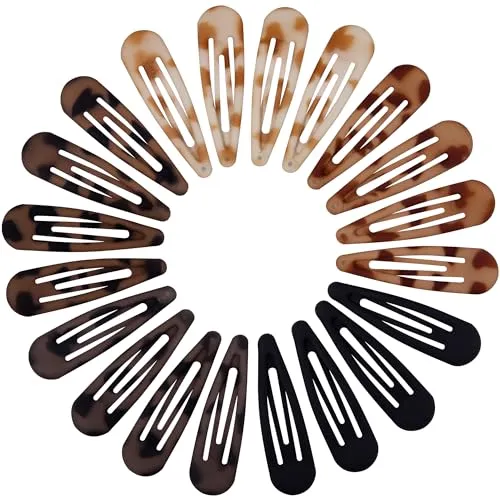
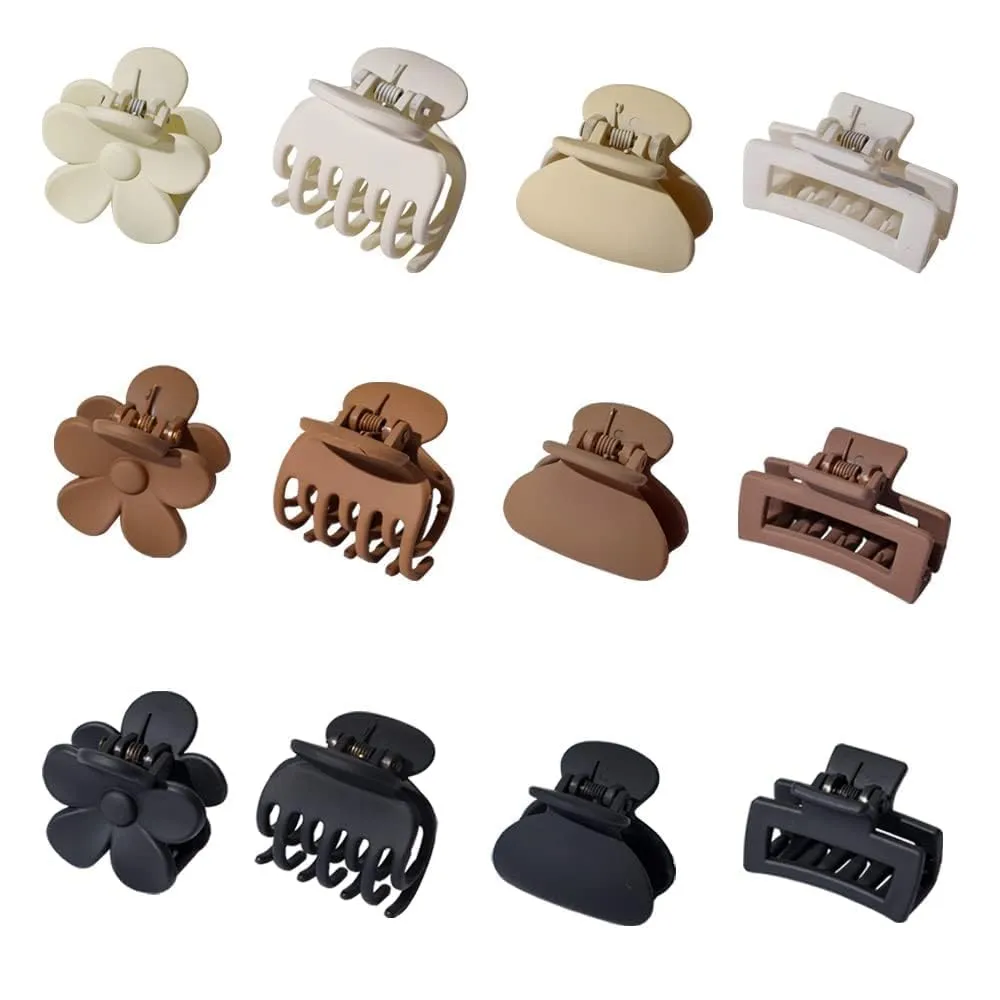
You've probably experienced it: a clip that looks perfect on someone else barely grips your hair, then slides down and falls out completely. Or worse, an accessory that actually holds—but makes your hair look flattened and lifeless. The challenge with thin hair isn't just finding clips that stay in place; it's finding ones that create the illusion of more volume, not less.
After extensive testing and consultation with stylists who specialize in fine and thin hair, the secret lies in choosing accessories that work with your hair's natural characteristics rather than fighting against them. The right accessories can actually make thin hair appear fuller and more voluminous.
Understanding Thin Hair: What Makes It Unique
Thin hair refers primarily to having fewer hair strands overall, regardless of the diameter of individual strands. While someone with thick hair might have 150,000 follicles, thin hair typically means having closer to 80,000-90,000. This lower density creates specific styling challenges—but also opportunities.
The Science of Thin Hair
Hair density is determined by genetics, but it can also change over time due to:
- Age: Hair density naturally decreases after 40
- Hormonal changes: Pregnancy, menopause, and thyroid conditions affect density
- Health factors: Nutritional deficiencies and stress can reduce volume
- Styling damage: Excessive heat and chemical treatments thin hair over time
Understanding that thin hair isn't a flaw—it's simply a characteristic—helps in approaching accessory selection more strategically.
Common Characteristics of Thin Hair
You likely have thin hair if you experience:
- Visible scalp: You can see your scalp through your hair, especially in certain lighting
- Quick styling: Your hair dries fast and holds curls poorly
- Lightweight feel: Your hair never feels heavy, even when wet
- Accessory struggles: Clips slide out and styles fall flat
- Volume challenges: Your hair looks flat without significant styling effort
Recognizing these traits helps you select accessories designed to address—or even benefit from—these characteristics.
What to Look For in Hair Accessories for Thin Hair
The right accessories for thin hair share specific qualities that provide grip without overwhelming your strands or crushing precious volume.
Size Selection: Smaller Is Better
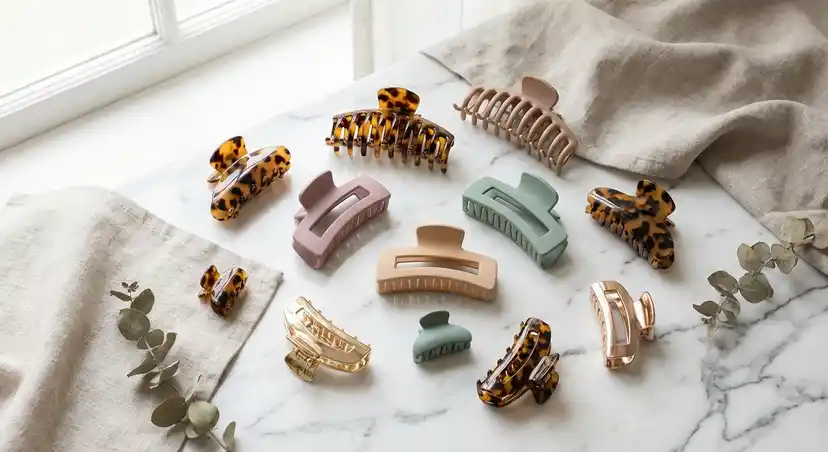
Unlike thick hair that demands oversized accessories, thin hair works best with smaller, lighter options:
| Style | Recommended Size |
|---|---|
| Full updo | Small to medium claw clips |
| Half-up | Mini to small clips |
| Accent styling | Mini clips and decorative pins |
| All-hair styles | Small-medium banana clips |
The key is matching accessory size to your actual hair volume. An oversized clip on thin hair looks disproportionate and often can't grip properly because there isn't enough hair to fill the mechanism.
Grip Enhancement Features
Since thin hair provides less natural resistance, accessories need built-in grip features:
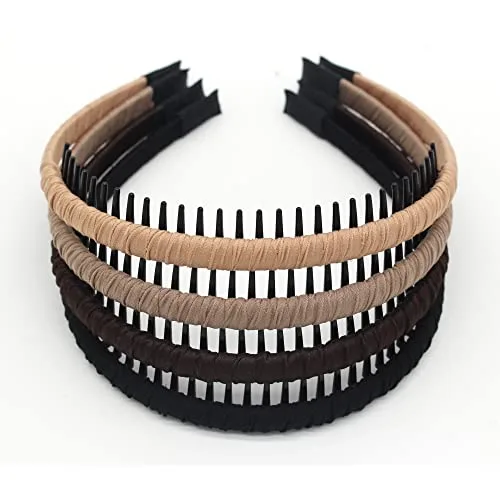
Textured teeth: Look for claw clips with ribbed or textured inner surfaces. The texture creates friction that compensates for less hair bulk.
Rubberized coating: Some clips feature silicone or rubber coatings that grip slippery strands better than smooth plastic or metal.
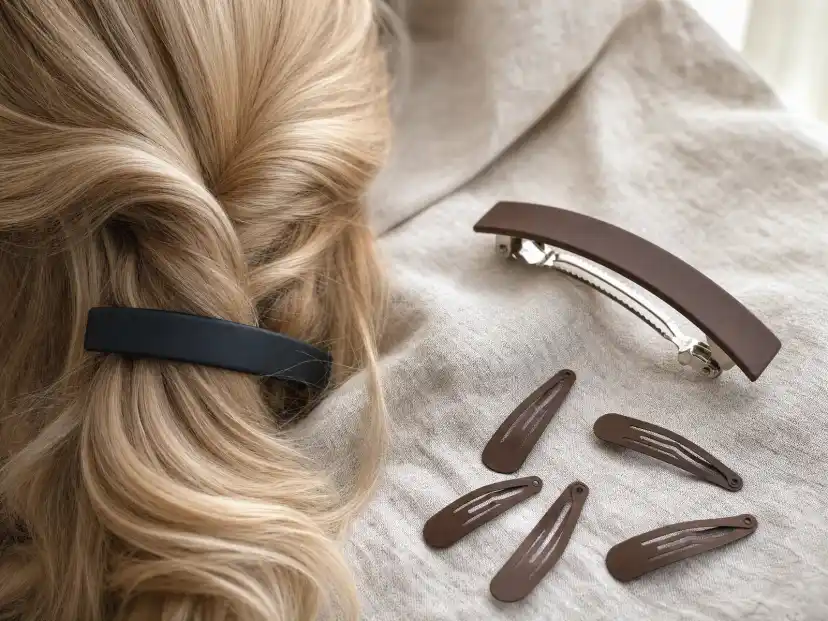
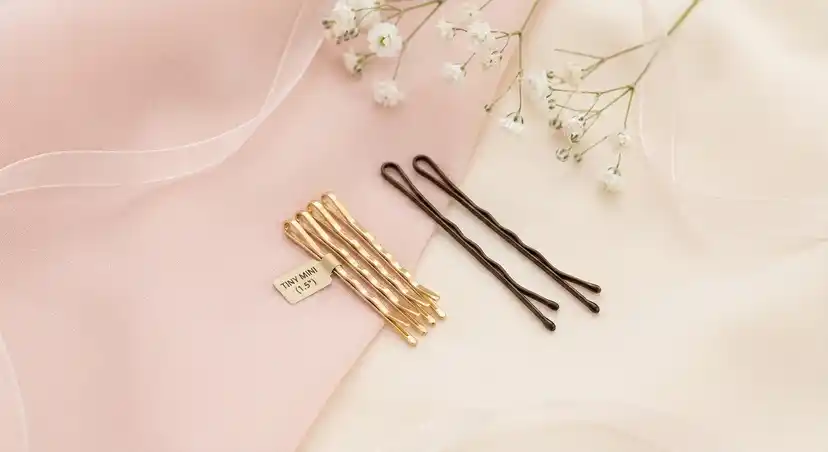
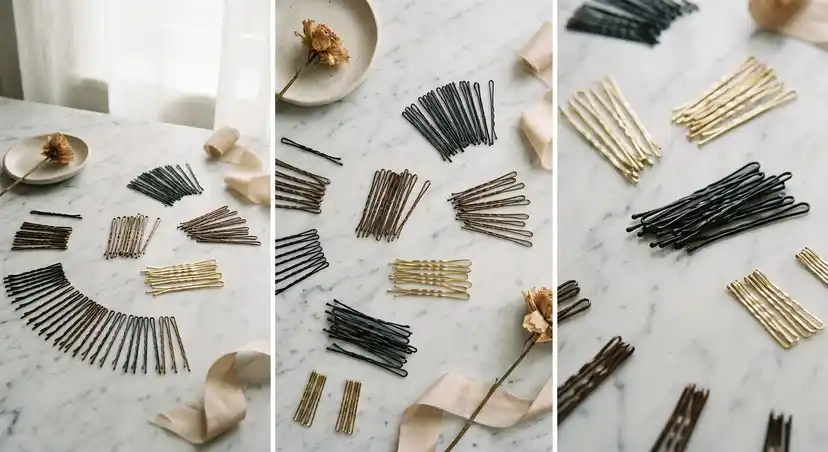
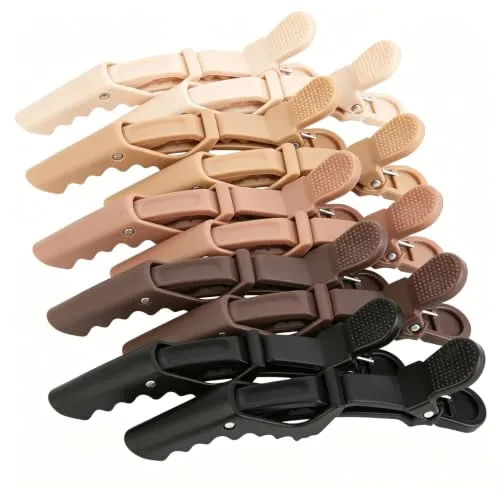
Multiple prongs: Bobby pins with extra prongs or unique shapes often hold better in thin hair than standard designs.
Gentle but firm springs: The spring should provide steady, moderate tension—not weak enough to slip but not so strong it crushes delicate hair.
Lightweight Construction
Heavy accessories work against thin hair in two ways: they pull and create visible drag, and they can cause breakage over time. Prioritize:
- Lightweight materials: Acrylic, thin metals, and quality plastics
- Hollow or open designs: These reduce weight while maintaining structure
- Minimalist construction: Simple designs often weigh less than ornate ones
A good rule: if you can feel the weight of the accessory in your hair, it's probably too heavy.
Volume-Friendly Designs
The best accessories for thin hair actually enhance volume rather than crushing it:
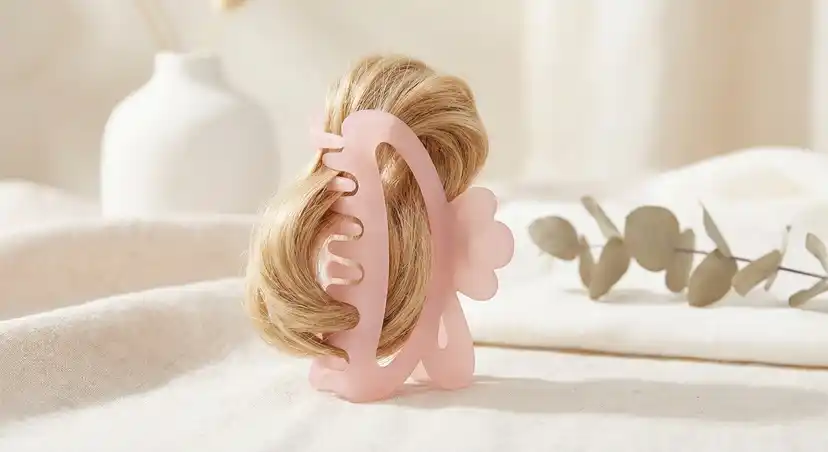
- Open-center claw clips: Allow hair to puff through the opening
- Curved designs: Follow the natural shape of styled hair
- Elevated attachments: Position hair away from the scalp for lift
- Decorative elements: Add visual interest that distracts from thinness
What to Avoid: Accessories That Work Against You
Certain accessories consistently fail for thin hair—or worse, make it look even thinner.
Accessories to Skip
Oversized claw clips: Too large for your hair volume, they look awkward and can't grip properly.
Heavy metal clips: The weight pulls thin hair down and can cause breakage at the attachment point.
Tight elastic bands: These create noticeable dents and breakage in delicate thin hair.
Smooth-surface clips: Without texture, these have nothing to grip and slide right out.
Extra-strong springs: While they might hold, they also crush volume and can damage fragile strands.
Common Mistakes
Using too many bobby pins: Thin hair can't hide excessive pins, creating a visible and unflattering look.
Placing clips too tightly: This crushes volume and emphasizes thinness. Always leave some looseness.
Skipping styling products: A light texturizing spray before accessorizing dramatically improves hold.
Choosing visible clips that contrast with hair color: This draws attention to sparse areas rather than complementing your style.
Expert Styling Tips for Thin Hair
Professional stylists have developed techniques specifically for making thin hair look fuller while keeping accessories secure.
The Tease and Lift Method
Adding texture and volume before styling helps accessories grip better:
- Lightly backcomb the section where you'll place your clip
- Smooth the outer layer over the teased section
- Position your accessory over the textured area
- Adjust for natural movement and visual balance
The hidden texture provides something for the clip to grip without being visible.
Strategic Product Use
The right products transform thin hair styling:
Dry shampoo or texture spray: Apply before styling to add grip and body. Focus on roots for lift.
Light-hold hairspray: Mist over styled sections to help accessories stay put.
Volumizing mousse: Apply to damp hair before drying for all-day body.
Avoid: Heavy serums, oils, or gels that weigh thin hair down and make it slippery.
Placement Techniques
Where you position accessories affects both hold and appearance:
Higher placement: Clips positioned higher on the head benefit from less gravity pulling downward.
Off-center positioning: Asymmetrical placement can create the illusion of more volume than centered styles.
Root lift: Before clipping, gently lift hair at the roots for instant volume.
Volume-Boosting Styles for Thin Hair
These styles specifically leverage accessories to create the appearance of fuller hair.
The Lifted Half-Up
Perfect for: Adding volume while keeping hair face-framing
- Apply texture spray to the crown section
- Gently backcomb the underside of this section
- Gather loosely—don't pull tight
- Secure with a small claw clip, positioning it to lift hair upward
- Gently pull at the top to create soft volume
Result: The raised position and loose gathering creates instant fullness.
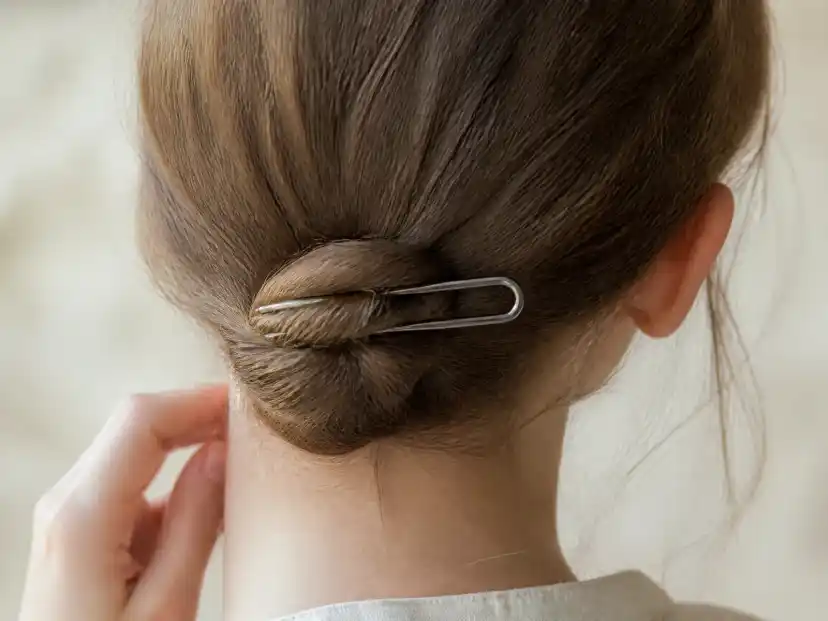
The Messy Low Twist
Perfect for: Looking effortlessly put-together
- Gather hair at the nape of your neck
- Twist loosely, allowing some pieces to fall free
- Fold the twist up against your head
- Secure with a small claw clip or decorative pins
- Pull gently at the twist to expand it
Result: The loose structure creates more visual volume than tight styles.
The Volume-Building Ponytail
Perfect for: Active days when you need hair secured
- Create a half-ponytail with the top section of hair
- Secure with a gentle elastic
- Create a second ponytail below, incorporating the first
- The double-layer technique instantly adds volume
- Add a decorative clip or wrap to hide the elastic
Result: Doubled sections create the appearance of thicker hair.
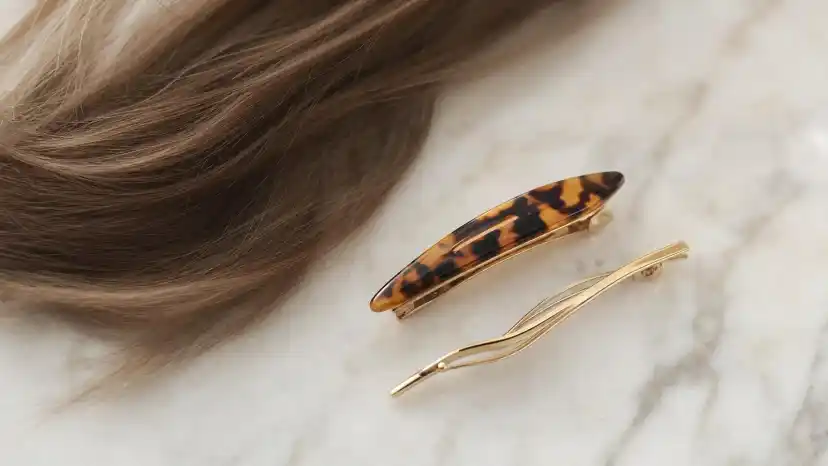
The Decorative Pin Accent
Perfect for: Adding interest to worn-down styles
- Style hair as desired (curled, waved, or straight)
- Choose one side for accent styling
- Tuck a small section behind your ear
- Secure with 2-3 decorative bobby pins in a pattern
- Arrange visible pins as a deliberate design element
Result: The pins become a feature, drawing attention away from hair density.
Caring for Thin Hair While Using Accessories
Thin hair requires gentler handling to prevent damage and thinning.
Prevent Breakage
Thin hair breaks more easily at accessory attachment points. To protect it:
- Avoid wearing clips in the same position daily: Rotate placement to distribute stress
- Never sleep with accessories in: The pressure and friction causes breakage
- Remove accessories gently: Don't yank; open clips fully before removing
- Choose smooth-edged accessories: Sharp edges catch and break delicate strands
Signs of Accessory Damage
Watch for these indicators that your accessories are causing harm:
- Hair wrapped around clip mechanisms
- Visible shorter hairs at your usual clip positions
- Increased shedding when removing accessories
- Sore spots on your scalp after wearing clips
If you notice these signs, evaluate your accessories and techniques.
Protective Styling
Give your hair regular breaks from accessories:
- Rotate between accessory types
- Have some accessory-free days each week
- Use soft scrunchies for low-stress styling
- Consider protective overnight styles that don't require hard clips
Frequently Asked Questions
Why won't bobby pins stay in my thin hair?
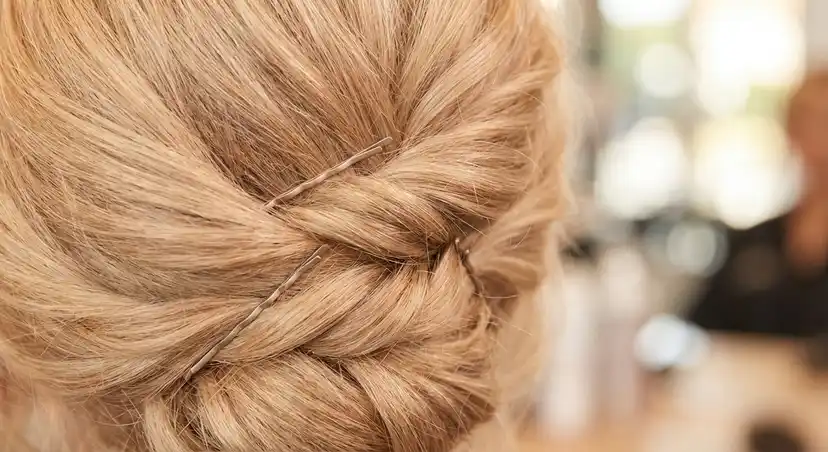
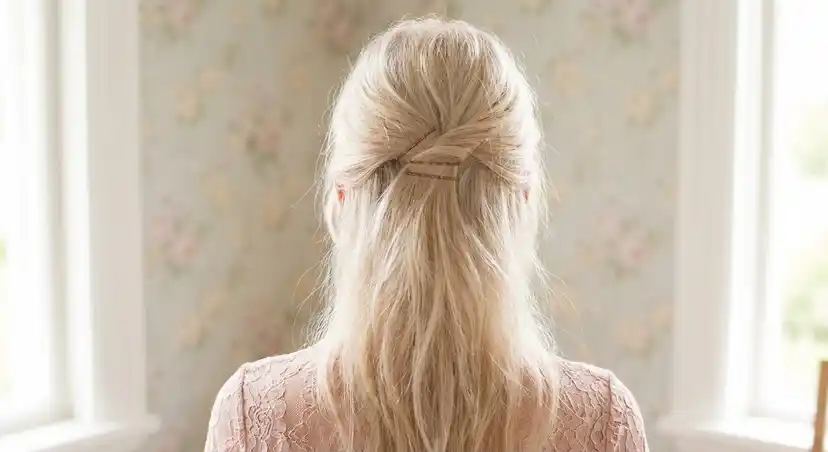
Standard bobby pins often lack the grip texture needed for thin hair. Try pins with rubberized tips, spiral pins that grip from multiple angles, or the cross-anchor technique where two pins form an X for better hold.
How can I make a claw clip look natural in thin hair?
Choose a clip size proportional to your hair volume—usually smaller than you'd initially consider. Position it to allow hair to flow naturally through and around it. Leave some pieces loose for a lived-in look rather than severely pulled-back styles.
Should I avoid updos with thin hair?
Not at all! The key is creating the illusion of fullness before styling. Use texture spray, gentle backcombing at hidden sections, and loose gathering techniques. Avoid tight, slicked-back styles that emphasize scalp visibility.
What's the best way to add volume before using clips?
Apply dry shampoo or texture spray at the roots. Gently massage your scalp to lift hair at the roots. Consider lightly backcombing underneath sections that will be hidden by clips. These techniques give accessories something to grip while adding visible volume.
Are there hair accessories specifically designed for thin hair?
Yes! Look for clips marketed for "fine hair," "gentle hold," or "lightweight." These typically feature textured grips, lighter construction, and proportional sizing. Some brands specifically engineer products for lower-density hair.
How often should I replace accessories for thin hair?
More frequently than those with thick hair, because thin hair is more susceptible to damage from worn accessories. Replace bobby pins when they lose their grip tension, and claw clips when springs weaken or edges become rough.
Conclusion
Thin hair comes with unique challenges, but the right accessories transform styling from frustrating to effortless. The key insights to remember:
- Size appropriately: Smaller accessories work better than oversized options
- Prioritize texture: Grip-enhanced surfaces compensate for lower hair density
- Stay lightweight: Heavy accessories pull thin hair down
- Create volume first: Texture products and techniques help accessories work better
- Handle gently: Thin hair requires extra care to prevent breakage
With these principles in mind, thin hair becomes versatile and stylish. The goal isn't to disguise your hair type—it's to choose accessories that let your natural hair look its absolute best.