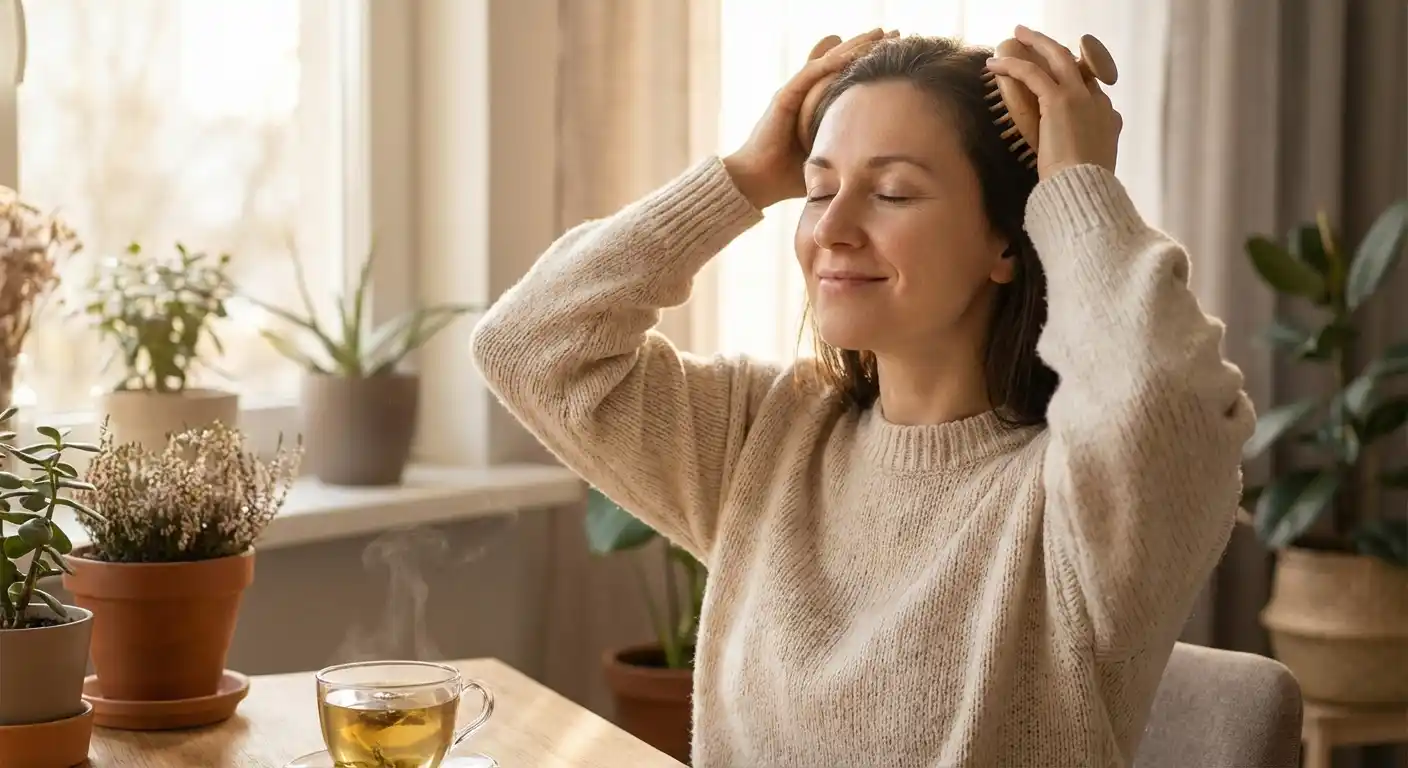
That tender, sore feeling on your scalp after removing a clip isn't just annoying—it's a signal that something went wrong.
Scalp pain after wearing hair clips indicates tissue stress: compressed nerves, pulled follicles, or irritated skin. Understanding what causes this post-wear discomfort helps you both treat the immediate pain and prevent it from happening again.
Here's what causes scalp pain from clips, how to get relief, and how to change your approach for pain-free styling going forward.
For complete prevention strategies, see our complete guide to pain-free hair styling.
Understanding Post-Wear Scalp Sensitivity
When you remove a clip and feel scalp pain, several things may have occurred during wear:
Nerve Compression Effects
The clip pressed against sensory nerves for extended periods:
- Nerves became irritated from sustained pressure
- Blood flow to compressed nerves was reduced
- Once pressure releases, nerves signal accumulated distress
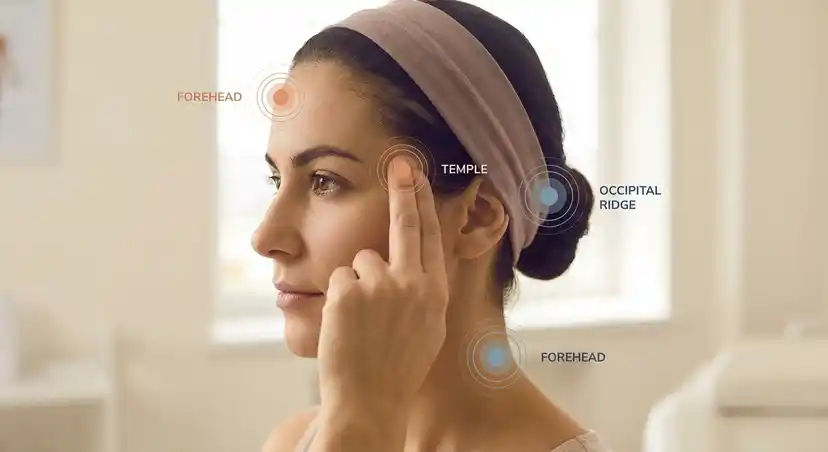
- Pain manifests where compression occurred
Follicle Strain
Tight styling pulled on hair follicles:
- Follicles were stressed from constant tension
- Surrounding tissue became inflamed
- The follicles' nerve endings were overstimulated
- Post-removal, the area feels tender
Tissue Inflammation
The scalp tissue itself became irritated:
- Prolonged pressure caused localized inflammation
- Friction from the clip irritated skin
- Tissue swelling occurred around pressure points
- Inflammation creates sensitivity
Muscle Tension
Scalp muscles responded to the styling:
- Muscles contracted to resist the pulling
- Sustained contraction created muscle fatigue
- Release of muscle tension reveals the strain
- Tenderness reflects muscular overwork
The Difference Between Temporary and Chronic Scalp Pain
Not all post-clip pain is equal. Understanding the difference helps you respond appropriately.
Temporary Pain (Normal Recovery)
Characteristics:
- Resolves within 30-60 minutes of clip removal
- Mild tenderness, not severe pain
- Localized to where clip sat
- Doesn't recur with gentle styling
- No visible scalp changes
What it means: Your scalp experienced minor stress but is recovering normally. No immediate cause for concern, but consider gentler clips or positioning.
Recurring Pain (Pattern Problem)
Characteristics:
- Happens after every styling session
- Same spots hurt repeatedly
- Takes longer to resolve each time
- Becoming more sensitive over time
- Interfering with styling choices
What it means: Your current clips, positioning, or styling technique are consistently too harsh. Change needed to break the pattern.
Chronic Pain (Medical Attention Needed)
Characteristics:
- Pain persists hours or days after clip removal
- Scalp tender even without recent styling
- Visible changes (redness, bumps, hair loss)
- Accompanied by other symptoms
- Not improving with gentle approaches
What it means: Possible underlying condition, nerve damage, or traction alopecia developing. See a dermatologist.
For related concerns, see traction alopecia from hair accessories and signs your hair routine is causing damage.
Immediate Relief Techniques
When your scalp hurts after removing clips:
Technique 1: Gentle Scalp Massage
Purpose: Restore blood flow, release tension, calm irritated nerves
How to do it:
- Use clean fingertips (not nails)
- Start at the painful area
- Apply gentle, circular pressure
- Move slowly outward from the sore spot
- Continue for 2-3 minutes
- Don't press hard—the area is already sensitive
Why it works: Massage increases circulation to compressed tissues and signals muscles to relax.
Technique 2: Temperature Therapy
For throbbing, sharp pain:
- Apply cool compress (cool washcloth or wrapped cold pack)
- Hold for 10-15 minutes
- The cold reduces inflammation and numbs nerve endings
For dull, aching pain:
- Apply warm compress (warm washcloth)
- Hold for 10-15 minutes
- Warmth relaxes muscles and increases blood flow
Not sure which? Try cool first—if it doesn't help after 10 minutes, switch to warm.
Technique 3: Hair Liberation
Let your hair completely down:
- No clips, ties, or accessories
- Let hair hang naturally
- Avoid even loose ponytails
- Give follicles complete rest
Duration: At least 2-3 hours after painful episodes; overnight if pain persists.
Technique 4: Gentle Hair Movement
After compression:
- Gently shake your hair out
- Run fingers through without pulling
- Let hair settle naturally
- This helps redistribute hair that was compressed in one position
Technique 5: OTC Pain Relief (If Needed)
For moderate to significant pain:
- Ibuprofen reduces both pain and inflammation
- Acetaminophen provides pain relief
- Follow package directions
- Don't rely on this regularly—address the cause instead
Long-Term Scalp Health Recovery
If your scalp has become chronically sensitive from repeated clip trauma:
Give Scalp Extended Rest
7-day recovery protocol:
| Day | Approach |
|---|---|
| Day 1-3 | No clips or updos at all |
| Day 4-5 | Very loose, gentle styles only if needed |
| Day 6-7 | Begin testing gentler clips if no pain |
Why this works: Irritated nerves and inflamed tissue need time to heal. Continued styling perpetuates the damage.
Identify What Caused the Problem
Before resuming clip use, determine:
- Were your clips creating pressure points?
- Was your styling too tight?
- Was the same position stressed repeatedly?
- Were clips worn too long?
See our guide on why hair clips cause headaches for understanding causes.
Transition to Gentler Accessories
When ready to resume:
- Start with the gentlest possible clips
- Flat-back designs to eliminate pressure points
- Lightweight to minimize pull
- Looser styling than you used before
See recommendations in best claw clips for sensitive scalps.
Rebuild Tolerance Gradually
Don't immediately return to all-day wear:
Week 1: Maximum 2 hours at a time Week 2: Maximum 4 hours at a time Week 3: Maximum 6 hours at a time Week 4+: Full days if no pain returns
If pain returns at any stage, step back.
Switching to Gentler Accessories
The best treatment for recurring scalp pain is preventing it through better accessories.
Key Features to Look For
| Feature | Why It Helps |
|---|---|
| Flat-back design | No concentrated pressure points |
| Lightweight | Less pull on follicles |
| Wide-spaced teeth | Distributed grip |
| Quality materials | Smooth, non-irritating |
| Appropriate size | No straining to hold |
Clips to Consider
For recovering scalps:
- TELETIES Flat Round Clip - Flat back, bendable teeth
- Mini Matte Jaw Clips - Ultra-lightweight
Clips to Avoid
- Heavy metal clips
- Clips with bulky hinge mechanisms
- Cheap clips with sharp teeth or edges
- Clips that require tight styling to stay
For detailed recommendations, see:
Styling Technique Adjustments
Beyond clip choice, how you style matters:
Style Looser
If your current styling creates post-wear pain:
- Gather hair without pulling
- Twist less tightly
- Let the clip grip hair, not your scalp
- Accept "imperfect" styles that feel good
See: how to reduce tension from hair clips.
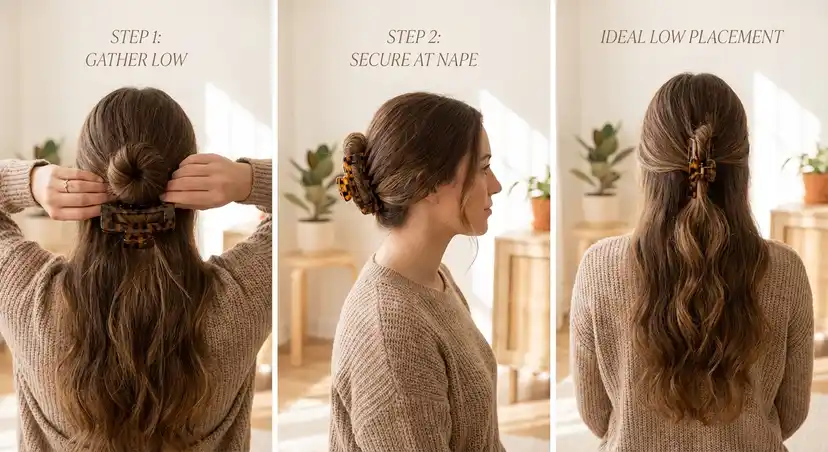
Position Lower
Lower positions typically cause less pain:
- Nape area has more tissue cushioning
- Gravity supports low styles (less tension needed)
- Fewer superficial nerves at lower positions
See: how to position hair clips to avoid headaches.
Rotate Positions
Same spot daily = cumulative damage:
- Never wear clips in the exact same spot two days in a row
- Alternate center, right, left positioning
- Build in "rest days" with no clips
Shorten Wear Duration
If 8 hours causes pain:
- Try 4-6 hour maximum
- Take mid-day breaks
- Remove clips when not essential
When to See a Doctor
Seek medical attention if:
- Pain persists more than several hours after clip removal
- Visible changes appear (redness, bumps, scaling, hair loss)
- Pain is severe or feels different from typical post-clip soreness
- Other symptoms accompany the pain (fever, spreading redness)
- Pain occurs even without recent clip use
- Thinning appears at frequently styled areas
A dermatologist can evaluate for:
- Traction alopecia
- Scalp infections
- Contact dermatitis
- Other underlying conditions
Prevention Summary
To prevent future scalp pain from clips:
| Prevention Strategy | How to Implement |
|---|---|
| Better clips | Flat-back, lightweight, wide-tooth |
| Better positioning | Lower, rotated daily |
| Better technique | Looser styling, less tension |
| Better duration | Shorter wear, regular breaks |
| Better recovery | Hair-down days, no-clip periods |
For comprehensive prevention, see our complete guide to pain-free hair styling.
FAQ
Is it normal for my scalp to hurt after clips?
Mild, brief tenderness that resolves within an hour is common but indicates room for improvement. Significant pain or pain lasting hours is not normal and signals the need for gentler approaches.
Why does my scalp hurt more each day?
Cumulative effect: repeated pressure on the same spots causes progressive irritation. Nerves become sensitized, tissue stays inflamed. Break the cycle with rest days and position rotation.
Can tight hairstyles cause permanent damage?
Yes. Chronic tension can cause traction alopecia—hair loss from follicle damage. Early stages are reversible; late stages may not be. See traction alopecia from hair accessories.
How long should I rest my scalp after pain?
Minimum: until pain fully resolves. Ideal: add 1-2 additional days after pain stops. If pain was severe or recurring, consider a week of very gentle styling or no styling.
Should I take pain medication for scalp soreness?
For occasional mild discomfort, that's your choice. For recurring pain, medication treats symptoms but not the cause—change your clips and techniques instead of masking ongoing damage.
Related Articles
- The Complete Guide to Pain-Free Hair Styling
- Why Do Hair Clips Give Me Headaches?
- External Compression Headaches from Hair Clips
- Best Claw Clips for Sensitive Scalps
- How to Position Hair Clips to Avoid Headaches
- How to Reduce Tension from Hair Clips
- Traction Alopecia from Hair Accessories
- Signs Your Hair Routine Is Causing Damage
- How to Recover from Hair Accessory Damage
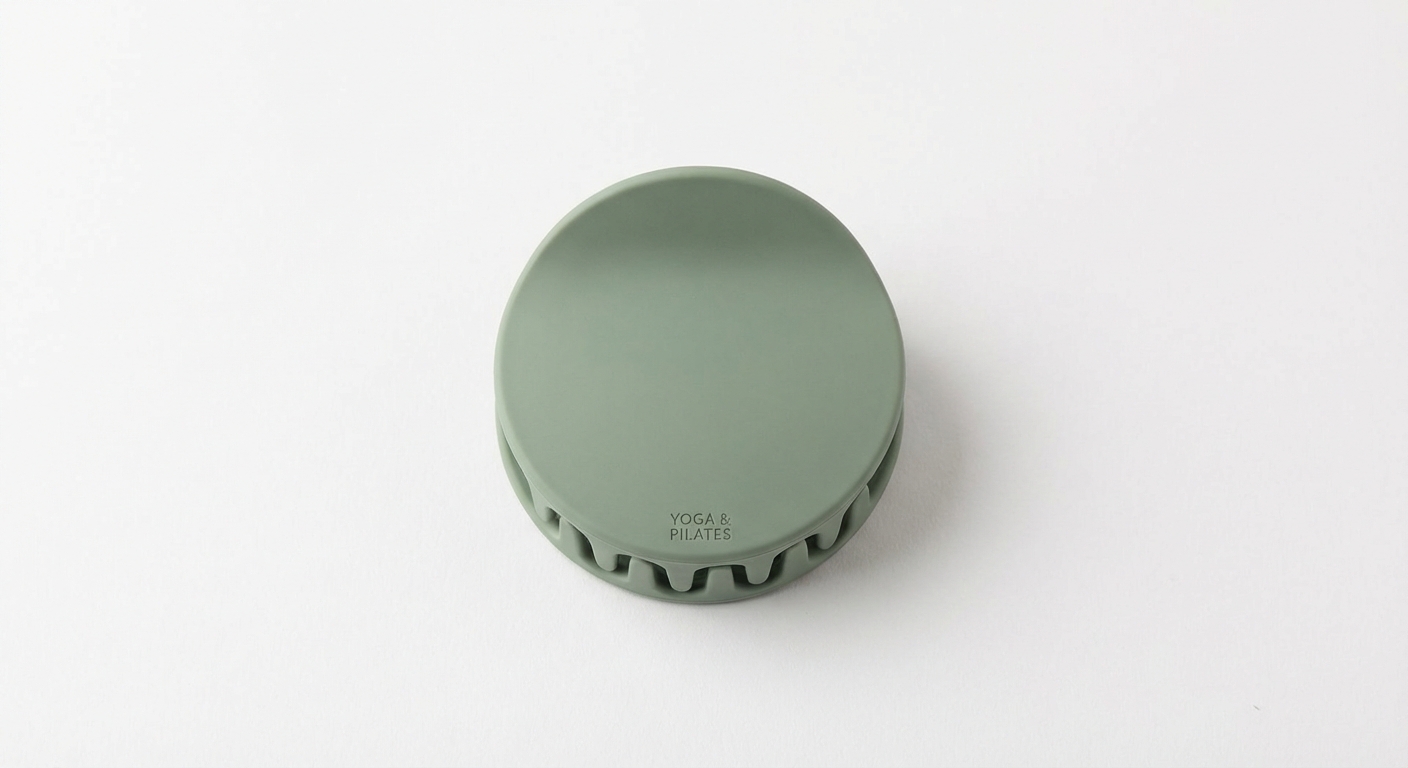
TELETIES Medium Flat Round Clip
Flat-back design prevents the concentrated pressure that causes post-wear scalp pain. Bendable teeth are gentle on sensitive scalp tissue.
“No more sore scalp at the end of the day. This clip is a game-changer....”
We tested dozens of claw clips to find the very best options. Below you'll find our complete ranking, with detailed reviews and real customer feedback for each pick.
The Complete Ranking
TELETIES Medium Flat Round Clip
“No more sore scalp at the end of the day. This clip is a gam...” — Verified Buyer
Flat-back design prevents the concentrated pressure that causes post-wear scalp pain. Bendable teeth are gentle on sensitive scalp tissue. The prevention-focused choice.
“No more sore scalp at the end of the day. This clip is a game-changer.”
— Verified Buyer
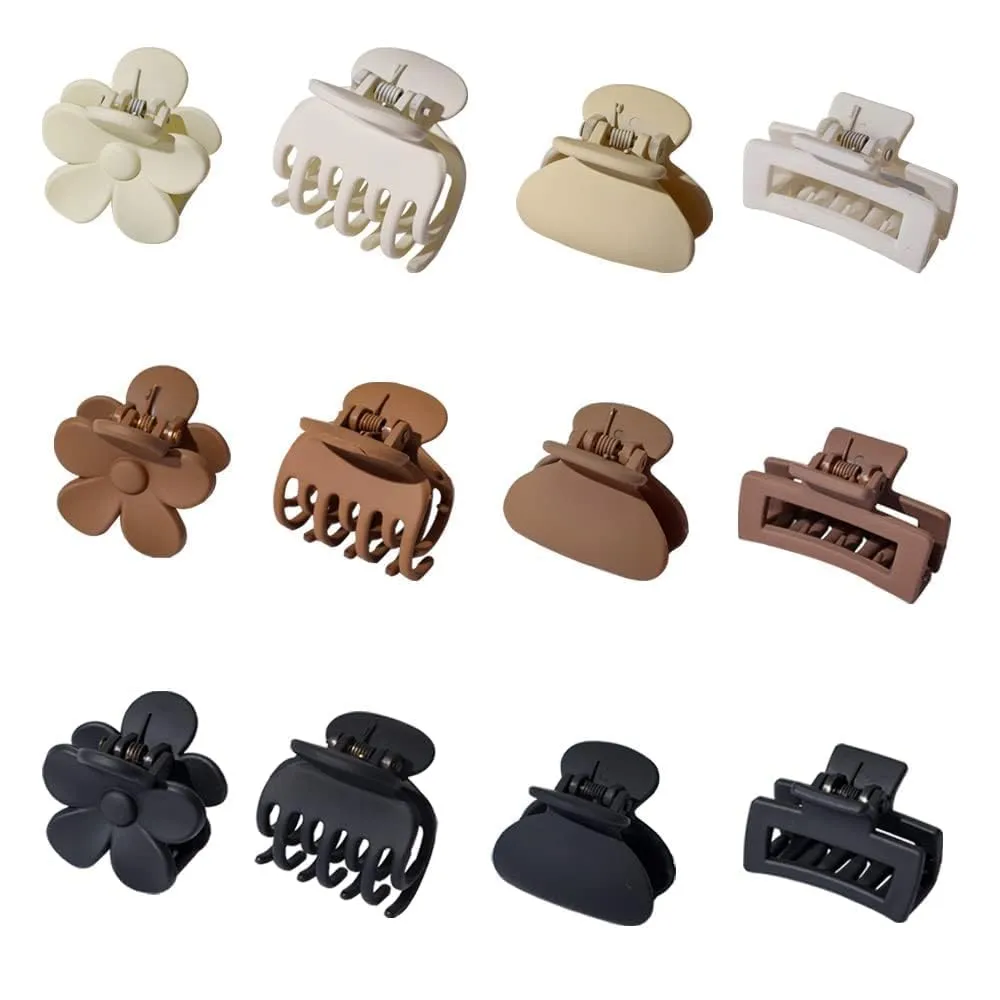
Mini Matte Jaw Clips (12 Pack)
“Using these while my scalp recovers from too-tight styling. ...” — Verified Buyer
So lightweight they barely touch your scalp. Perfect for recovery periods when your scalp is healing from previous damage. Gentle enough for the most sensitive heads.
“Using these while my scalp recovers from too-tight styling. Very gentle.”
— Verified Buyer
No more sore scalp at the end of the day. This clip is a game-changer.
Quick Comparison
A side-by-side look at our top picks
Frequently Asked Questions
Pain after is a warning
Temporary vs. chronic
Recovery allows prevention

Donna Miller
Enjoyed This Guide?
Get more hair tips and product recommendations delivered weekly.