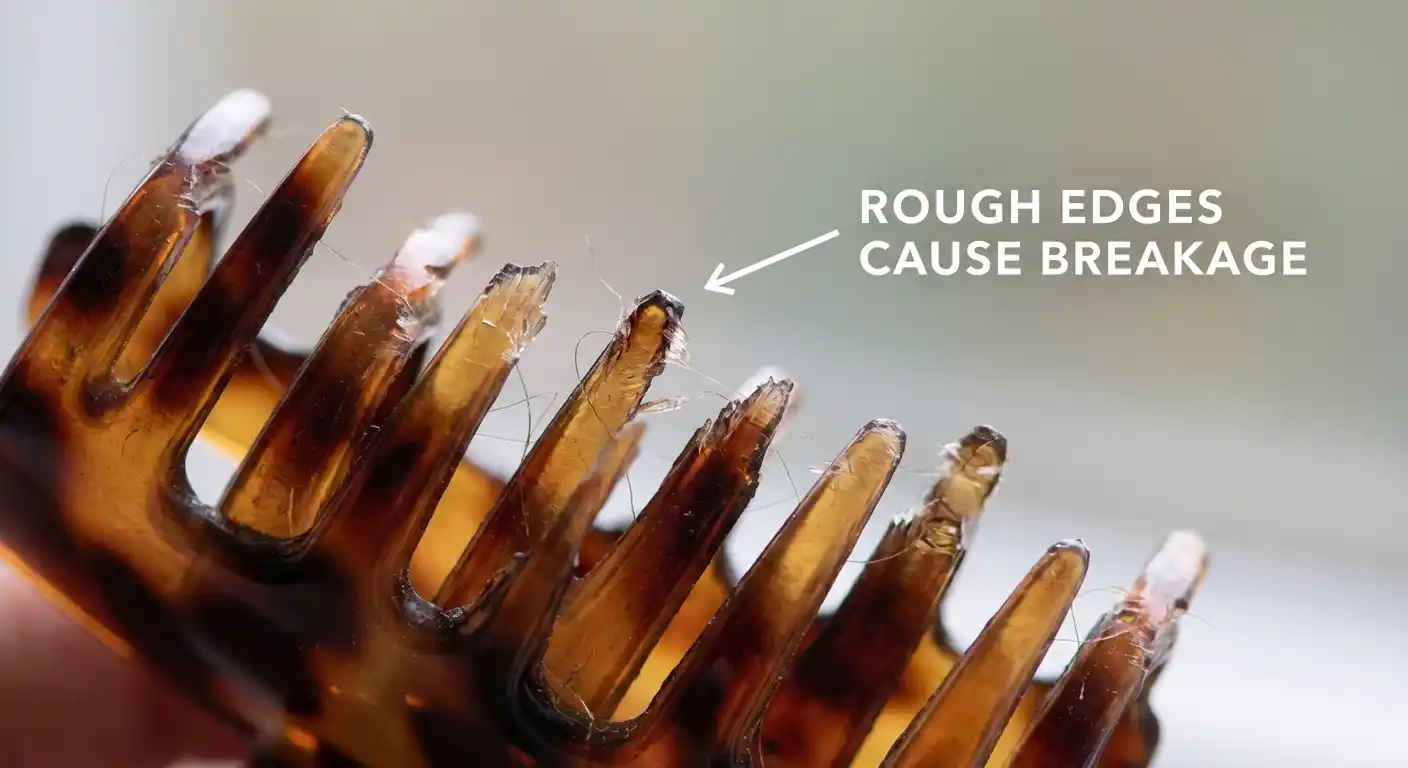
That pile of broken hair in your brush might be your clip's fault.
Claw clips are gentler than hair ties—research consistently shows they cause significantly less damage because they distribute pressure rather than concentrating tension. But "gentler" isn't the same as "harmless." The wrong clip, or the right clip used wrong, still causes breakage.
If you're noticing broken strands at your typical clip location, hair catching when you remove clips, or increasing damage despite switching away from hair ties, this guide helps you identify the specific cause and fix it.
For the complete picture on hair protection, see our complete guide to protecting your hair from damage.
The Most Common Causes of Clip-Related Breakage
Cause 1: Degraded or Damaged Clips
Clips don't stay gentle forever. Over time and use, they develop problems:
Rough edges: Smooth surfaces wear down, especially on cheap plastic. What was once smooth becomes micro-abrasive.
Burrs and snag points: Plastic can develop tiny rough protrusions where it's been stressed.
Loose or broken teeth: Teeth that wiggle or have sharp broken edges catch and tear hair.
Weakened springs: When springs lose tension, you twist tighter to compensate—creating more stress.
How to check: Run your finger slowly along all teeth and edges. Any roughness you feel, your hair feels too—and hair is far more delicate than your fingertip.
The fix: Replace degraded clips immediately. No amount of careful technique compensates for a clip that has become inherently damaging.
Cause 2: Wrong Size for Your Hair
Sizing mistakes force compensating behaviors that damage hair:
Too small:
- You twist tighter to fit all your hair
- The spring strains to hold, creating pressure points
- Hair escapes, requiring repositioning (friction)
- Concentrated tension on less hair = more stress per strand
Signs your clip is too small:
- You have to really twist to get hair to fit
- Hair constantly escapes and needs re-clipping
- The spring seems to struggle to close
- You see breakage at the clip point
The fix: Size up. A slightly loose clip with gentle technique beats a tight grip every time.
For sizing guidance, see claw clip size guide.
Cause 3: Same Position Every Day
This is perhaps the most overlooked cause of clip breakage.
What happens:
- The same strands bear the clip's stress daily
- Tension concentrates at identical points
- Those specific strands weaken progressively
- Eventually they break at the chronic stress point
Signs this is your problem:
- Breakage concentrated at one location (not random)
- You always clip hair in the same spot
- Thin patch developing where you typically clip
- You don't rotate styles or positions
The fix: Rotate clip position daily. Different height, different side, different style. No single area should bear repeated stress.
For rotation strategies, see how to use a claw clip without damaging your hair.
Cause 4: Twisting Too Tight
The twist is supposed to gather hair, not strangle it.
What excessive twisting does:
- Creates rotational stress on strands
- Pulls hair taut at the twist point
- Concentrates tension where the twist is tightest
- Strains follicles at the scalp
Signs you're twisting too tight:
- You can feel pulling at your scalp after clipping
- The twist looks very tight and coiled
- You develop headaches from your hairstyle
- Breakage appears at the twist location
The fix: Stop twisting when you feel first resistance. A loose twist should look "casually wound," not "tightly coiled."
Cause 5: Poor Quality Clips
Cheap clips are engineered for price, not hair health:
Common issues with low-quality clips:
- Rough molding seams
- Sharp edges not smoothed during manufacturing
- Brittle plastic that chips or breaks
- Uneven teeth that grip unevenly
- Poor spring quality leading to weak hold (causing tighter twisting)
How to spot quality issues:
- Visible seams or join lines
- Rough texture when you run a finger along surfaces
- Uneven teeth spacing
- Teeth that don't align when clip closes
- Spring that feels weak or overly stiff
The fix: Invest in better clips. Polished acetate or quality metal from reputable brands. Your hair is worth it.
For recommendations, see best breakage-preventing claw clips and best claw clips for damaged hair.
Cause 6: Rough Removal
You can use the gentlest clip in the world, but if you yank it out, you're creating damage.
Damaging removal habits:
- Pulling clip without opening it fully
- Yanking quickly rather than lifting gently
- Leaving caught strands and ripping through
- Twisting clip while removing
Proper removal:
- Find the release mechanism
- Squeeze to open fully—all the way
- Lift straight away from head
- If any hair catches, pause and gently untangle
- Only then fully remove
The test: Proper removal should be silent and effortless. Snapping, pulling sounds, or resistance means you're doing it wrong.
Cause 7: Clipping Wet or Damp Hair
Wet hair is significantly weaker than dry hair.
Why wet hair breaks more easily:
- Water breaks hydrogen bonds in hair
- Wet hair stretches more before breaking
- That stretch weakens the structure
- Mechanical stress during vulnerability = breakage
Signs this is your problem:
- You clip hair immediately after shower
- You clip hair during workouts while sweaty
- You style damp hair with clips regularly
The fix: Wait until hair is at least 80% dry before clipping. Or use very loose, very gentle styling on damp hair.
Cause 8: Accumulated Damage from Multiple Sources
Sometimes clips aren't the primary cause—they're the final straw.
Hair already weakened by:
- Color/bleach treatments
- Heat styling
- Chemical treatments
- Environmental damage
- Nutritional deficiencies
How clips become "the last straw":
- Damaged hair can't tolerate the same stress as healthy hair
- What a healthy strand would survive, a damaged strand breaks
- The clip gets blamed for damage that's cumulative
The fix: Increase gentleness everywhere. Treat damaged hair with extra care until it recovers. See how to recover from hair accessory damage.
Diagnosing Your Specific Problem
Use this diagnostic process:
Step 1: Examine Your Clips
Run finger along all surfaces. Note:
- Any roughness? → Replace clip
- Loose teeth? → Replace clip
- Weak spring? → Replace clip
- Visible damage? → Replace clip
Step 2: Check Your Sizing
Observe next time you clip:
- Do you struggle to fit hair? → Size up
- Does hair constantly escape? → Different clip design or size
- Does spring strain to close? → Size up
Step 3: Notice Your Position
Over a week, track:
- Where do you clip most often? → Create rotation plan
- Is breakage concentrated there? → Confirms position issue
Step 4: Evaluate Your Technique
Next time you style, ask:
- Do I feel pulling at my scalp? → Loosen twist
- Is the twist very tight? → Loosen twist
- Do I get headaches? → Loosen + lower position
Step 5: Consider Removal
Next time you remove clips:
- Do I open fully before lifting? → If not, change this
- Does hair catch or pull? → Open more fully, go slower
- Do I hear snapping sounds? → Go much slower
Step 6: Assess Overall Hair Health
Be honest:
- Is hair damaged from other sources? → Extra gentleness needed
- Am I clipping wet hair? → Wait until mostly dry
- Has hair changed recently? → Consider underlying causes
Quick Reference: Cause → Fix
| Problem | Most Likely Cause | Quick Fix |
|---|---|---|
| Breakage at consistent spot | Same position daily | Rotate positions |
| Breakage at twist point | Twisting too tight | Loosen twist significantly |
| Hair catches on removal | Rough clip or poor technique | Replace clip + slow removal |
| General increase in breakage | Degraded clips | Replace with quality clips |
| Clips won't hold without tight styling | Wrong size | Size up |
| Breakage after workouts | Clipping sweaty/wet hair | Wait until dry or very loose styling |
| Breakage despite good clips | Cumulative damage | Address all damage sources |
When to Suspect Other Causes
Sometimes breakage isn't about clips at all. Consider:
Medical Causes
- Thyroid disorders
- Nutritional deficiencies (iron, protein, biotin)
- Hormonal changes
- Autoimmune conditions
- Medications
When to see a doctor: Sudden increase in breakage, breakage accompanied by hair loss, breakage with other symptoms.
Environmental Causes
- Extreme dryness
- Hard water
- Sun damage
- Chlorine exposure
Styling Damage
- Heat tools
- Chemical treatments
- Aggressive brushing
- Sleeping without protection
If clips are genuinely gentle and your technique is good, look elsewhere for the cause.
Prevention Going Forward
Once you've identified and fixed the issue:
Maintain Clip Quality
- Inspect clips regularly
- Replace at first sign of roughness
- Store properly (not loose in a bag)
- Clean regularly to prevent product buildup
Stick to Good Technique
- Always twist loose
- Always rotate positions
- Always remove gently
- Never clip wet hair tightly
Support Hair Health
- Condition regularly
- Protect from heat
- Get regular trims
- Address underlying issues
Monitor for Problems
- Check for new breakage patterns
- Notice if certain clips cause more issues
- Adjust when you see warning signs
FAQ
Can claw clips cause hair loss (not just breakage)?
Yes, if used improperly over time. Tight styling with any accessory can cause traction alopecia—actual hair loss from follicle damage. See traction alopecia from hair accessories. Breakage is snapped strands; hair loss is strands pulled from the root.
How do I tell the difference between breakage and shedding?
Breakage: Short pieces, no white bulb at end, breaks mid-strand Shedding: Full-length strands, white bulb at end, came out from root
Clips cause breakage (mid-strand snapping), not shedding (which is a natural process or indicates other issues).
Are more expensive clips always safer?
Not always, but often. Premium clips use better materials (acetate vs. cheap plastic) and better construction (smoother finishes, better springs). But a worn expensive clip can be worse than a new budget clip in good condition. Quality + condition both matter.
I just bought new clips and breakage increased—why?
Possibilities:
- New clips are poor quality
- New clips are wrong size
- You're using them differently than old clips
- Coincidental timing with another damage source
Try: Inspect new clips for rough spots, compare sizing to previous clips, consider what else changed.
How long does it take to notice improvement after fixing the issue?
Less breakage should be noticeable within 2-4 weeks. Visible hair improvement takes longer as new, undamaged growth comes in—typically 2-3 months for meaningful change.
Related Articles
- The Complete Guide to Protecting Your Hair from Damage
- Best Breakage-Preventing Claw Clips
- How to Use a Claw Clip Without Damaging Your Hair
- Traction Alopecia from Hair Accessories
- Signs Your Hair Routine Is Causing Damage
- Best Claw Clips for Damaged Hair
- Safe vs. Damaging Hair Clips: How to Tell
- How to Reduce Tension & Pressure When Wearing Clips
- How to Recover from Hair Accessory Damage
- Acetate vs. Plastic Claw Clips
- Best No-Damage Claw Clips for Everyday Wear
- Best Gentle Claw Clips for Thinning Hair
- Best Silk & Satin Hair Accessories for Hair Health
- How to Protect Your Hair While You Sleep
- Claw Clips vs. Hair Ties for Hair Health
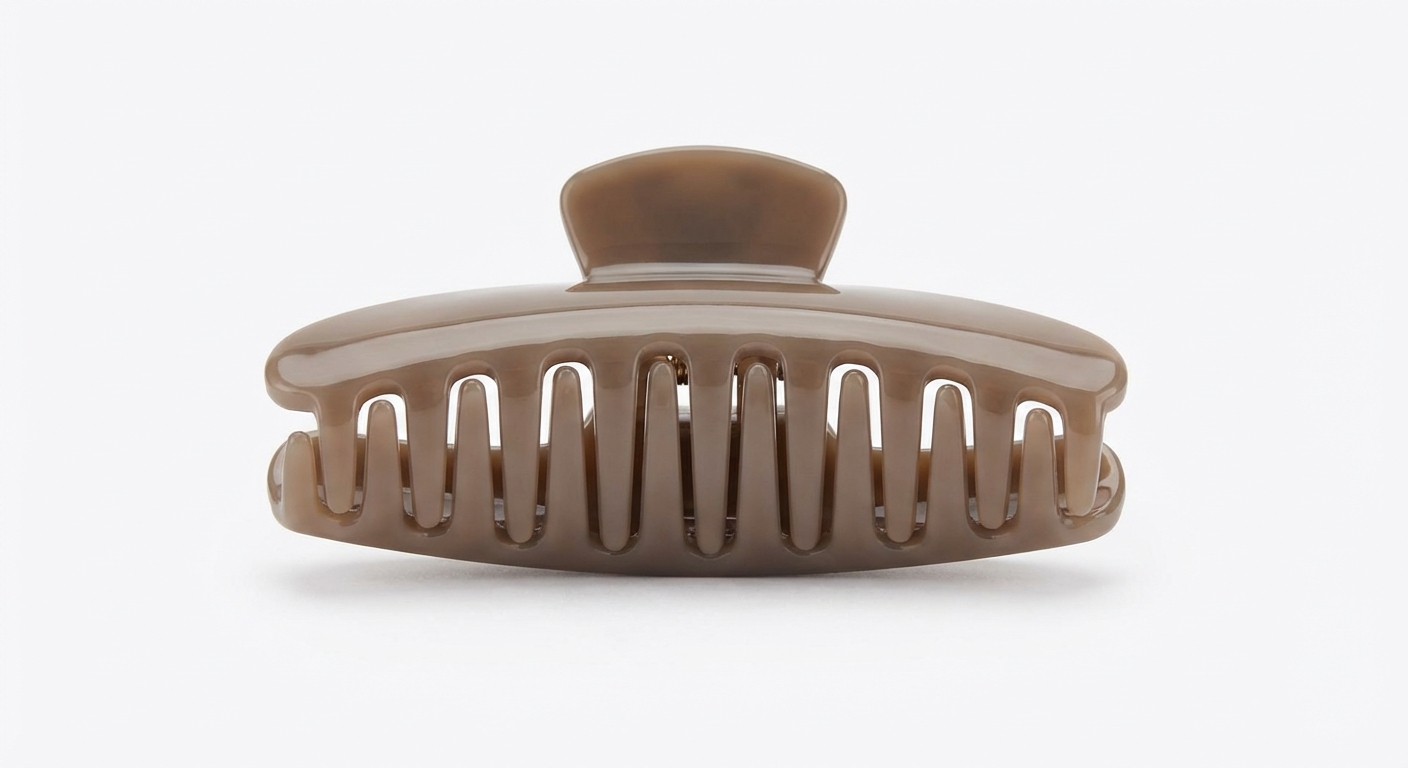
France Luxe Jaw Clip with Double Row Teeth
If rough edges are causing your breakage, this is the solution. Premium acetate is polished smooth.
“Replaced my rough clips with this one. Breakage stopped immediately....”
We tested dozens of claw clips to find the very best options. Below you'll find our complete ranking, with detailed reviews and real customer feedback for each pick.
The Complete Ranking
France Luxe Jaw Clip with Double Row Teeth
“Replaced my rough clips with this one. Breakage stopped imme...” — Verified Buyer
If rough edges are causing your breakage, this is the solution. Premium acetate is polished smooth. Double row teeth distribute grip without concentrated stress points that cause snapping.
“Replaced my rough clips with this one. Breakage stopped immediately.”
— Verified Buyer
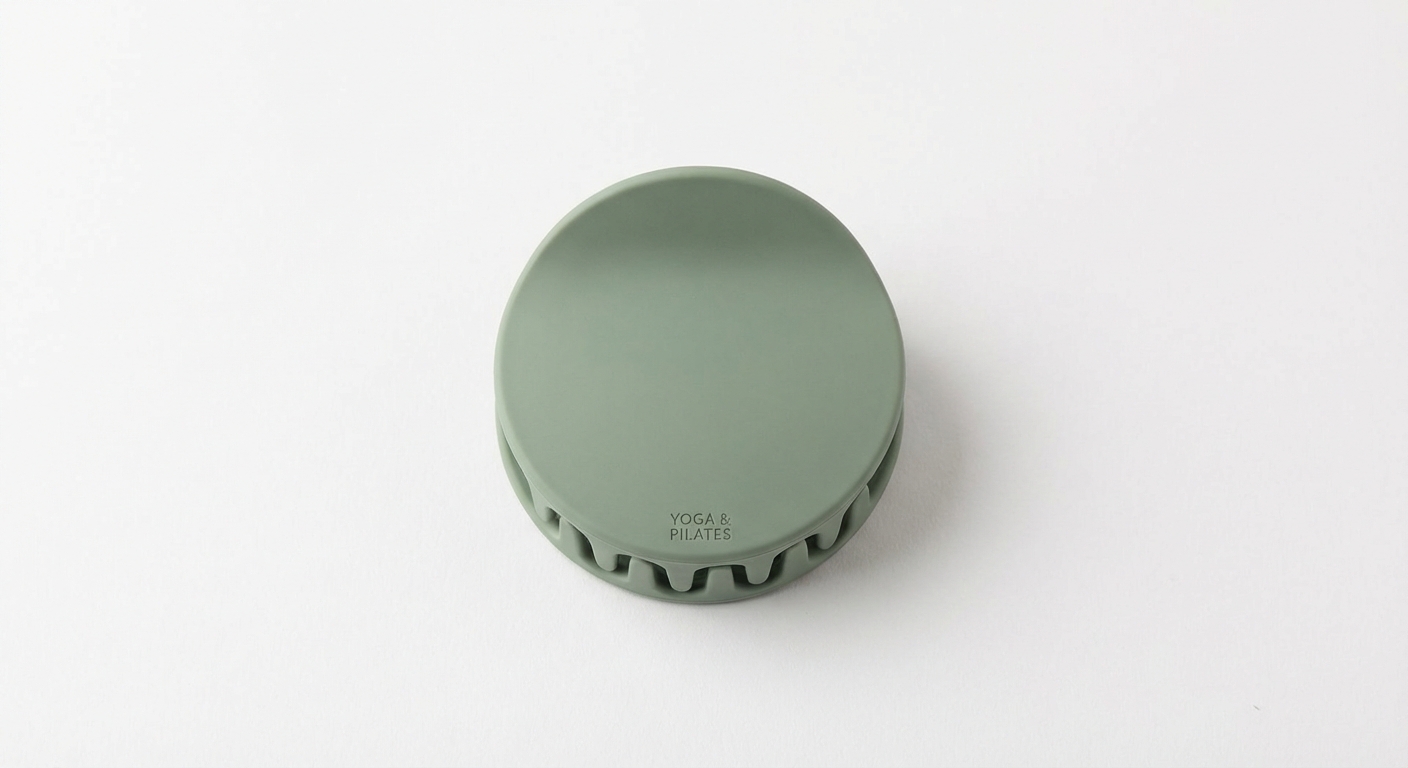
TELETIES Medium Flat Round Clip
“The smooth teeth don't catch my hair anymore. No more breaka...” — Verified Buyer
If teeth alignment is your issue, these bendable teeth won't snag or catch. Smooth construction from every angle. No sharp edges to cause the breakage problems in this guide.
“The smooth teeth don't catch my hair anymore. No more breakage.”
— Verified Buyer
Replaced my rough clips with this one. Breakage stopped immediately.
Quick Comparison
A side-by-side look at our top picks
Frequently Asked Questions
The clip isn't always innocent
Breakage has a location
The fix is usually simple

Donna Miller
Enjoyed This Guide?
Get more hair tips and product recommendations delivered weekly.