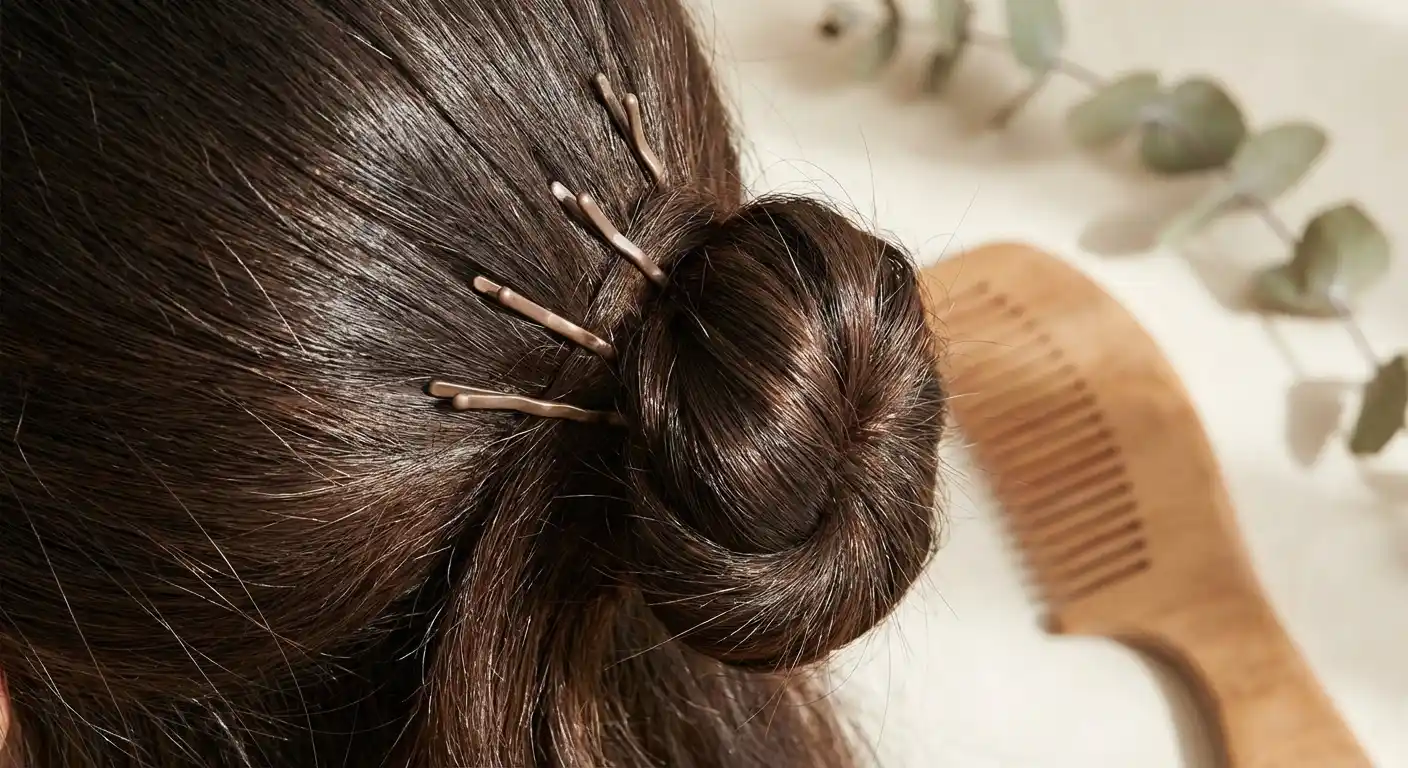
You've heard concerns about bobby pins damaging hair. Maybe you've experienced breakage or noticed some hair on a pin when you remove it. Is the worry justified?
The evidence-based answer: bobby pins are not bad for hair when used correctly. They're actually one of the gentler styling tools available. The damage that does occur comes from specific, fixable issues.
This guide explains when bobby pins can cause damage, when they're perfectly safe, and how to use them without any hair health concerns.
For general bobby pin information, see our ultimate guide to bobby pins.
The Quick Answer
Are bobby pins bad for your hair? No, not inherently.
Can bobby pins damage hair? Yes, but only through:
- Damaged pins with sharp edges
- Rough removal technique
- Repeated tight styling in the same location
- Low-quality pins that snag
Are bobby pins safe for daily use? Yes, with quality pins and proper technique.
How Bobby Pins Could Cause Damage
Understanding potential damage helps you avoid it.
1. Damaged Pin Edges
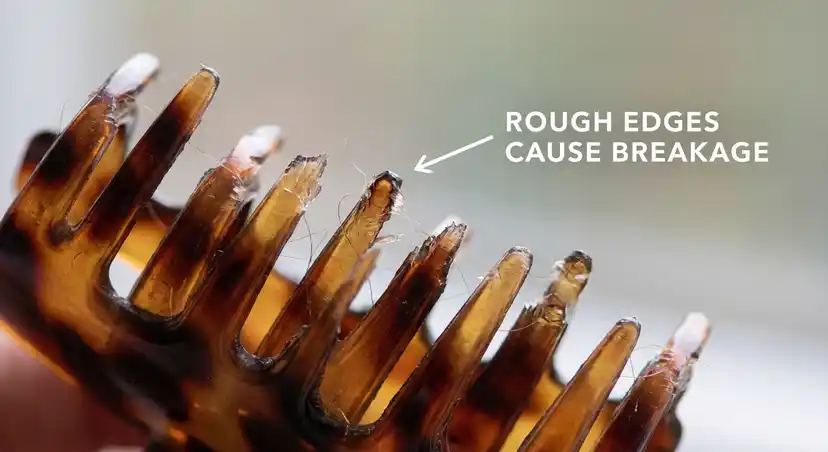
The issue: Chipped coating or bent pins can have sharp metal edges that catch and cut hair strands.
The result: Individual hair breakage during insertion or removal.
Prevention:
- Replace pins when coating chips
- Discard bent or damaged pins
- Use quality pins with durable coating
2. Rough Removal
The issue: Pulling pins out quickly or while still clamped causes friction and pulling on hair.
The result: Breakage at the point where hair was trapped in the pin.
Prevention:
- Open pins before removing
- Slide out gently
- Never yank
3. Tension from Tight Styles
The issue: Styles that pull tightly on the hairline or concentrate tension in one area can stress follicles over time.
The result: Traction alopecia (hair loss from repeated tension) in severe cases.
Prevention:
- Keep styles comfortably loose
- Vary pin placement day to day
- Don't ignore discomfort
4. Wearing Pins for Extended Periods
The issue: Sleeping in bobby pins or wearing them for very long periods increases friction and tension exposure.
The result: Increased breakage risk, scalp discomfort.
Prevention:
- Remove pins before sleeping
- Give hair breaks from pinned styles
- Don't wear the same tight style for days on end
How Bobby Pins Compare to Other Accessories
For context, here's how bobby pins stack up against common alternatives:
| Accessory | Damage Risk | Primary Concern |
|---|---|---|
| Bobby pins | Low | Breakage from damaged pins or rough removal |
| Elastic hair ties | Medium-High | Friction, tension, breakage at tie point |
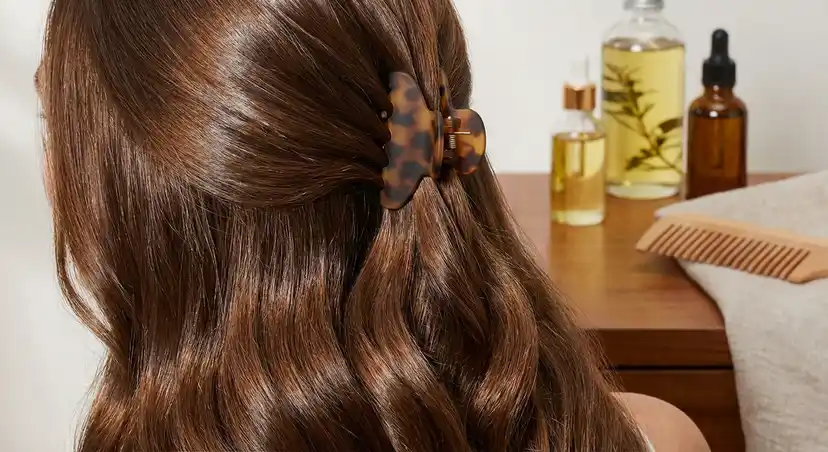
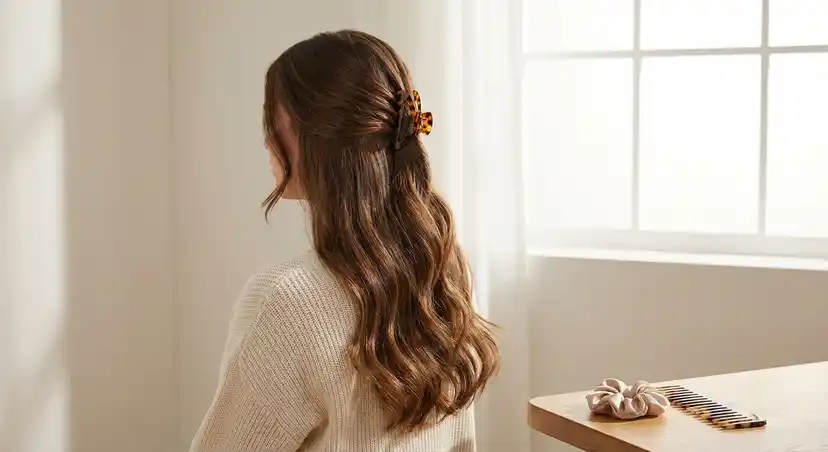
| Claw clips | Very Low | Minimal with proper size |
| Scrunchies | Low | Minimal tension |
| Tight ponytail holders | Medium-High | Traction, hairline stress |
Bobby pins rank among the gentler options when used correctly.
Why Bobby Pins Are Gentler Than Elastics
Elastic hair ties wrap around hair multiple times, creating:
- Friction at the same spot daily
- Constant tension while worn
- Breakage when removing
Bobby pins:
- Don't wrap around hair
- Can be removed without friction
- Don't create a specific weak point
Signs of Bobby Pin Damage (and Other Causes)
If you're experiencing hair issues, bobby pins might not be the culprit.
Probably Bobby Pin Related
- Breakage specifically where you typically place pins
- Hairs caught in pins when removing
- Damage from visible chip in pin coating
Probably Not Bobby Pin Related
- General breakage throughout hair
- Thinning at hairline (more likely ponytail tension)
- Overall hair damage (check heat tools, chemical treatments)
- Hair loss (usually unrelated to styling accessories)
How to Check
Remove bobby pins from your routine for 2-3 weeks:
- Does the breakage stop? Pins may have been the issue.
- Does it continue? Look for other causes.
How to Use Bobby Pins Safely
Choose Quality Pins
- Smooth, intact coating
- Ball tips or protected ends
- Strong spring that closes firmly
- No rust or visible damage
Use Proper Technique
- Wavy side toward scalp
- Don't open wide before inserting
- Insert without forcing
- Remove by opening first, then sliding out
See: how to use bobby pins: 15 essential techniques.
Maintain Your Pins
- Replace pins with chipped coating
- Discard bent or misshapen pins
- Don't use rusty pins
- Store in dry conditions
Vary Your Styles
- Don't wear the same tight style daily
- Alternate pin placement
- Give your hair breaks between heavily pinned styles
- If something hurts, loosen it
Remove Properly
This is where most damage actually happens:
- Open the pin first (spread prongs slightly)
- Slide out slowly following the insertion path
- Stop if you feel resistance (pin caught on something)
- Never yank or pull quickly
Skip the Overnight Wear
Unless pins are specifically designed for sleeping:
- Remove before bed
- Use silk pillowcase for overnight protection
- Consider sleep-friendly alternatives for overnight hair containment
Who Should Be Extra Careful
Fine or Fragile Hair
Fine hair is more susceptible to breakage:
- Use smooth-coated pins
- Remove especially gently
- Use fewer pins when possible
- Consider alternatives for daily styling
See: best bobby pins for fine hair.
Curly Hair
Curly hair can snag on textured coatings:
- Use ball-tip pins
- Choose smooth coatings
- Pin at roots, not through curls
- Remove by gently untwisting
See: best bobby pins for curly hair.
Damaged or Treated Hair
Already-compromised hair needs extra gentleness:
- Use the highest quality pins
- Be especially gentle with removal
- Keep styles loose
- Limit frequency of heavily pinned styles
FAQs
Do bobby pins cause hair breakage?
They can if you use damaged pins or remove them roughly. With quality pins and gentle technique, breakage risk is very low.
Can bobby pins cause hair loss?
Temporary hair loss from repeated tight styles in the same location is possible (traction alopecia). This requires consistent tight styling over time. Normal bobby pin use doesn't cause hair loss.
How often can I use bobby pins?
Daily use is fine with quality pins and proper technique. Vary your styles and placement, don't pull too tight, and remove gently.
Should I worry about bobby pins pulling out hair?
A few hairs coming out with pins is normal. You shed 50-100 hairs daily; some may be in your pins. Significant clumps or pain indicate a problem with pins or technique.
Are expensive bobby pins safer?
Quality pins with durable coating and smooth edges are safer than cheap pins that chip and develop sharp edges. Premium pins often (not always) have better construction.
Is sleeping in bobby pins bad?
Yes, avoid it. Night movement creates friction and pressure on pinned areas. Remove pins before bed.
Are bobby pins worse than claw clips for hair?
No, both are gentle. Claw clips have a slight edge because they don't squeeze individual strands, but properly used bobby pins are safe.
See: bobby pins vs claw clips.
The Bottom Line
Bobby pins are not bad for your hair. They're actually one of the gentler styling options available. Damage occurs from:
- Damaged pins: Replace chipped, bent, or rusty pins
- Rough removal: Open before removing, slide out gently
- Tight repetitive styles: Vary placement, keep comfortable
- Extended wear: Remove before sleeping
With quality pins and proper technique, bobby pins are perfectly safe for daily use. Most hair damage attributed to bobby pins is actually from other causes.
For complete bobby pin guidance, see our ultimate guide to bobby pins. For troubleshooting hold issues, check why do my bobby pins fall out.
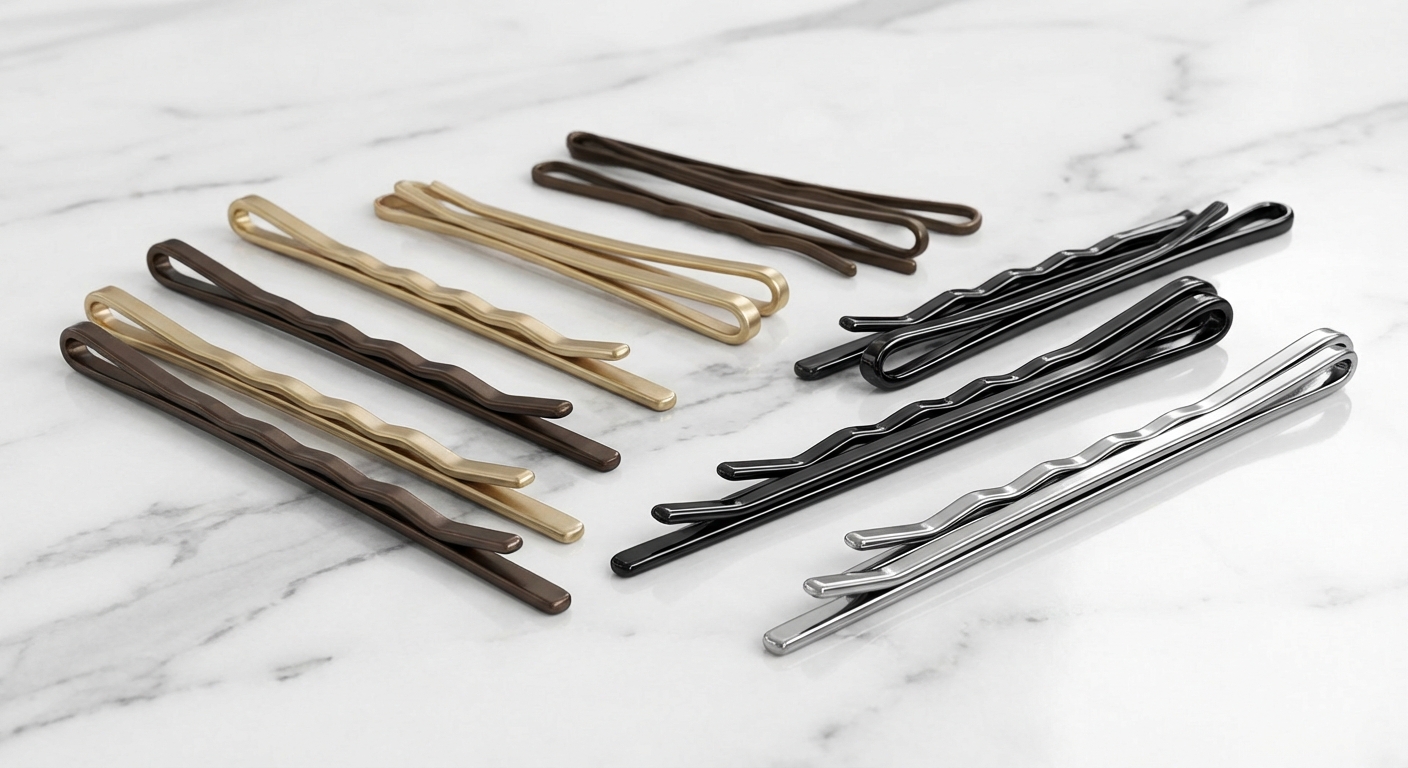
Kitsch Satin Bobby Pins (36 Pack)
Satin-coated pins are the gentlest option available. The smooth coating glides through hair without snagging, reducing the breakage risk that concerns people.
“So smooth! No more snagging or pulling when I remove them....”
We tested dozens of claw clips to find the very best options. Below you'll find our complete ranking, with detailed reviews and real customer feedback for each pick.
The Complete Ranking
Kitsch Satin Bobby Pins (36 Pack)
“So smooth! No more snagging or pulling when I remove them....” — Verified Buyer
Satin-coated pins are the gentlest option available. The smooth coating glides through hair without snagging, reducing the breakage risk that concerns people.
“So smooth! No more snagging or pulling when I remove them.”
— Verified Buyer
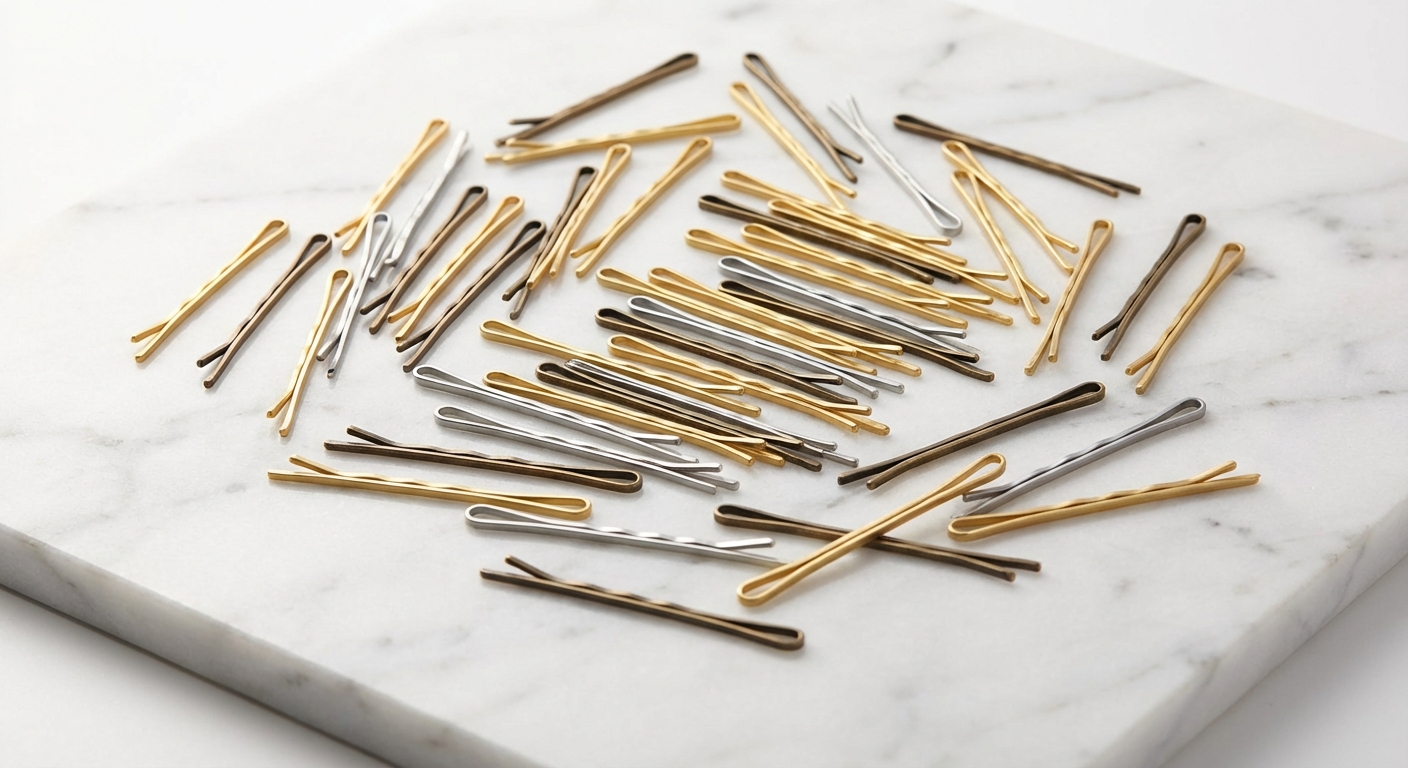
MetaGrip Premium Bobby Pins (100 Pack)
“Smooth tips and quality coating. Much gentler than drugstore...” — Verified Buyer
Premium pins with smooth tips and quality coatings are safer than cheap pins with rough edges. Investing in quality reduces hair damage risk.
“Smooth tips and quality coating. Much gentler than drugstore pins.”
— Verified Buyer
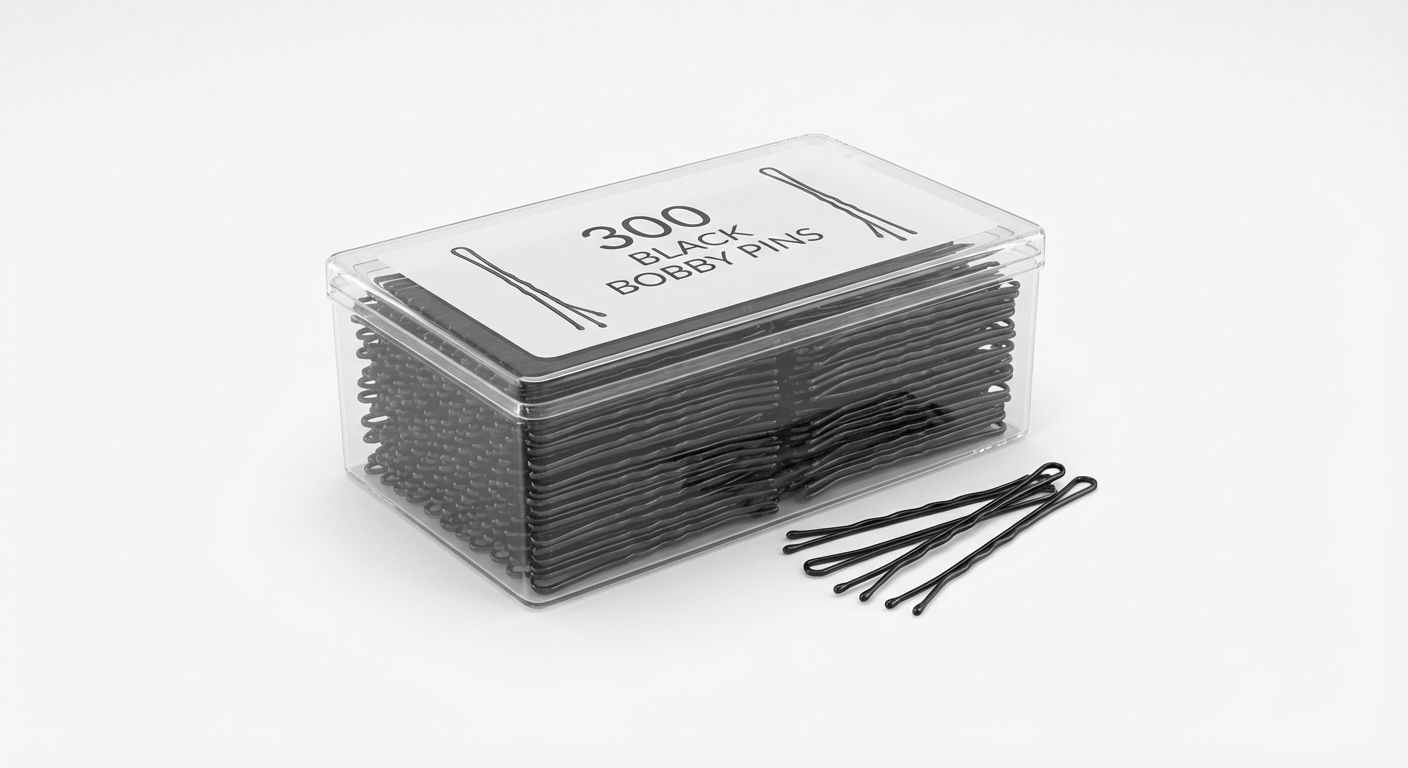
Diane Bobby Pins 1.75" (300 Pack)
“Good quality pins that don't damage my hair when used correc...” — Verified Buyer
Quality construction with smooth tips at a budget price. Safe for regular use when you follow proper technique.
“Good quality pins that don't damage my hair when used correctly.”
— Verified Buyer
So smooth! No more snagging or pulling when I remove them.
Quick Comparison
A side-by-side look at our top picks
Frequently Asked Questions
The Short Answer
The Comparison Context
The Technique Factor

Donna Miller
Enjoyed This Guide?
Get more hair tips and product recommendations delivered weekly.