- Table of Contents
- Understanding Hair Damage: Types and Causes
- The Hair Accessory Damage Hierarchy
- Traction Alopecia: The Hidden Danger
- Materials That Protect vs. Damage Hair
- The Gentle Hold Principles
- Protection Strategies by Hair Type
- Overnight Hair Protection
- Recovery and Repair Strategies
- Building a Hair-Healthy Routine
- FAQ
- Related Articles in This Guide
Your hair accessories might be doing more damage than your heat tools.
That's not an exaggeration. While we obsess over heat protectants and salon treatments, the daily mechanical stress from hair ties, clips, and styling creates cumulative damage that's often invisible until it's severe.
The good news? This type of damage is entirely preventable. And unlike chemical or heat damage, mechanical damage from accessories responds quickly to better choices. Switch to gentler options today, and you'll see improvement within weeks.
This guide covers everything you need to know about protecting your hair from accessory damage: what causes it, how to recognize it, which accessories are safest, and how to style without stress. Whether you're dealing with existing damage or want to prevent future problems, this is your complete roadmap to healthier hair.
For a foundation in claw clip basics, see our ultimate guide to claw clips.
Table of Contents
- Understanding Hair Damage: Types and Causes
- The Hair Accessory Damage Hierarchy
- Traction Alopecia: The Hidden Danger
- Materials That Protect vs. Damage Hair
- The Gentle Hold Principles
- Protection Strategies by Hair Type
- Overnight Hair Protection
- Recovery and Repair Strategies
- Building a Hair-Healthy Routine
- FAQ
Understanding Hair Damage: Types and Causes
Before you can protect your hair, you need to understand what you're protecting it from. Hair damage falls into three main categories, each with different causes and solutions.
Mechanical Damage
This is physical stress on the hair shaft and follicles—the pulling, rubbing, and friction that happens every time you style. Mechanical damage includes:
Breakage: Hair strands snapping due to stress, usually at the same point where tension concentrates (like where a hair tie sits)
Friction damage: The roughening of hair cuticles from rubbing against materials, causing frizz and split ends
Traction stress: Pulling on hair follicles that can eventually lead to permanent hair loss
Mechanical damage is particularly insidious because it's cumulative. Each use of a tight elastic causes a small amount of stress. One day won't matter. But hundreds of days compound into visible damage.
Chemical Damage
Damage from coloring, bleaching, relaxing, or perming treatments. Chemical processes break down the hair's protein structure, leaving it porous, weak, and prone to breakage.
Chemical damage makes hair more vulnerable to mechanical damage. Already-weakened strands can't handle the same stress that healthy hair tolerates.
Heat Damage
Direct thermal damage from blow dryers, flat irons, and curling tools. High temperatures break the hydrogen bonds that give hair its shape and strength.
Heat damage gets the most attention in hair care discussions, but for many people, daily mechanical stress from accessories actually causes more cumulative damage than occasional heat styling.
Why Mechanical Damage Gets Overlooked
We don't think of hair ties as "damaging." They're just... hair ties. But consider:
- Frequency: You might flat iron once a week, but you use hair ties daily
- Duration: A heat tool touches hair for minutes; a ponytail pulls for hours
- Repetition: The same spot gets stressed repeatedly, concentrating damage
- Invisibility: There's no sizzle or smell—damage accumulates silently
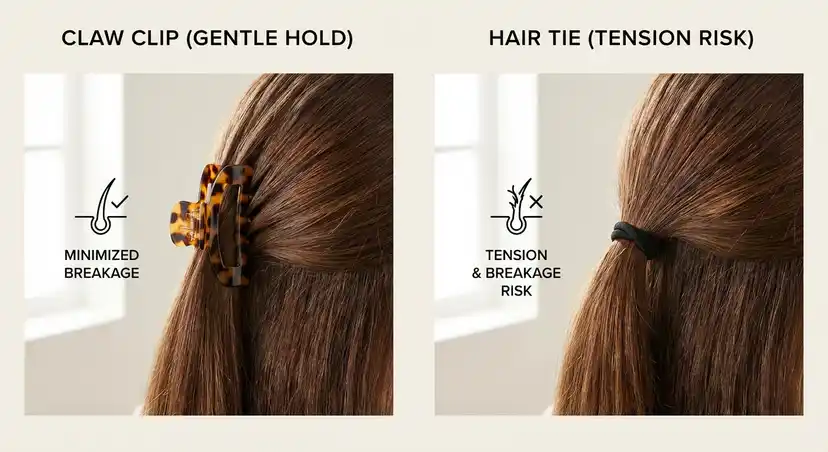
Research comparing claw clips to elastic hair ties consistently shows clips cause significantly less hair shaft damage over time. The difference comes from how each accessory holds: claw clips distribute pressure across multiple teeth while hair ties concentrate all tension in a single line. That difference compounds significantly over years of daily styling.
The Hair Accessory Damage Hierarchy
Not all accessories are equal. Understanding where different options fall on the damage spectrum helps you make better daily choices.
Damage Risk Ranking (Lowest to Highest)
| Accessory | Damage Risk | Primary Concern | Best For |
|---|---|---|---|
| Silk scrunchies | Very Low | Minimal friction | All hair types, sleep |
| Satin scrunchies | Very Low | Minimal friction | All hair types, budget option |
| Quality claw clips | Low | Pressure if too tight | Most styling needs |
| Cloth scrunchies | Low-Moderate | Some friction | Casual wear |
| Acetate barrettes | Low | Minimal if smooth edges | Fine to medium hair |
| Coil/spiral ties | Low-Moderate | Can tangle | Active wear |
| Standard elastics | Moderate-High | Friction, tension, breakage | Should be avoided |
| Rubber bands | High | Severe friction and tension | Never use |
| Metal clips with teeth | Moderate | Can snag and crease | Professional use only |
| Tight ponytails (any tie) | High | Traction alopecia risk | Avoid daily wear |
Why Claw Clips Rank Low-Risk
Claw clips consistently rank among the gentlest accessories because of how they hold hair:
No wrapping: Hair ties wrap around hair 2-3 times per use. Each wrap creates friction. Claw clips grip between teeth without wrapping—no friction from that source.
Distributed pressure: Elastics concentrate tension in one line around your ponytail. Claw clips spread pressure across multiple teeth, reducing stress at any single point.
Easy removal: Pulling out a hair tie creates friction and can yank out strands. Claw clips open with a squeeze, releasing hair immediately without tugging.
No permanent crease: Hair tie dents indicate stressed fibers. Claw clip indentations are superficial and temporary, disappearing within 15-30 minutes.
Dermatologists note that claw clips reduce the risk of traction alopecia compared to tight hair ties because they don't constrict hair the same way. The distributed grip creates less sustained tension on follicles.
For a detailed comparison, see claw clips vs. hair ties: which is better.
The Real Problem with Hair Ties
Traditional elastic hair ties cause damage through multiple mechanisms:
Friction on wrap: Every time you wrap a tie around your ponytail, the elastic slides against hair strands. That friction roughens the cuticle layer.
Tension concentration: All the pulling force concentrates in a thin line, creating a stress point where breakage occurs.
Removal damage: Pulling ties out—especially when they catch on strands—yanks out hairs and creates more friction.
Dent damage: That visible dent after wearing a ponytail? It shows where the hair shaft was compressed and stressed. Repeated compression at the same spot weakens hair over time.
The American Academy of Dermatology recommends using covered rubber bands made specifically for hair to minimize damage. But even "gentle" elastics cause more mechanical stress than properly-used clips.
For more on this comparison, see our claw clips vs. hair ties for hair health deep dive.
Traction Alopecia: The Hidden Danger
Traction alopecia is hair loss caused by prolonged or repeated pulling on hair follicles. It's entirely preventable—and in early stages, entirely reversible.
How It Develops
Traction alopecia doesn't happen overnight. It follows a predictable progression:
Stage 1 - Early/Reversible: Hair follicles become irritated. You might notice slight tenderness at the hairline, small bumps around follicles, or minor thinning in areas of consistent tension. At this stage, changing your styling habits allows full recovery.
Stage 2 - Moderate: Visible thinning appears, especially at the hairline, temples, or wherever tension concentrates. Hair may grow back finer or weaker. Recovery is still possible but takes longer.
Stage 3 - Severe/Scarring: Prolonged tension damages follicles beyond repair. Scar tissue forms, and hair loss becomes permanent. No treatment can restore follicles at this stage.
Research shows traction alopecia affects one-third of women of African descent who wear traumatic hairstyles for prolonged periods. A study in the British Journal of Dermatology found traction alopecia in 31.7% of African women who regularly relaxed or permed their hair. But it can affect anyone who consistently wears tight styles.
Warning Signs to Watch
Catch traction alopecia early by watching for:
- Tenderness or soreness at the scalp after styling
- Small bumps around hair follicles (folliculitis)
- Thinning at the temples or hairline
- Short, broken hairs at the hairline ("baby hairs" that won't grow)
- Widening of the part line
- Hair that seems to recede in areas where you typically style
Prevention Strategies
The condition is entirely preventable with mindful styling:
Rotate styles: Don't wear your hair the same way every day. Monday's ponytail placement shouldn't match Tuesday's.
Loosen up: If you can feel tension or your style causes headaches, it's too tight. A comfortable hold is a safe hold.
Limit duration: Take hair down when you're home. Give your scalp rest periods throughout the day.
Choose gentler accessories: Claw clips instead of tight elastics. Scrunchies instead of rubber bands.
Let children's hair rest: Traction alopecia often begins in childhood from tight braids or ponytails. Early prevention matters most.
Listen to your scalp: Pain is a signal. If styling hurts, change it immediately.
For detailed prevention strategies, see traction alopecia from hair accessories: causes, signs & prevention.
Materials That Protect vs. Damage Hair
The material your hair accessories are made from significantly impacts how they treat your hair.
Best Materials for Hair Health
Cellulose Acetate
Acetate is a plant-based material derived from wood pulp and cotton. It's the gold standard for hair-healthy accessories.
Why it's gentle:
- Polished until exceptionally smooth, so it won't catch or break hair
- Slightly flexible compared to rigid plastics, reducing pressure points
- Lightweight, reducing strain on hair and scalp
- Doesn't go brittle or snap like cheap plastic
Premium brands like Machete and France Luxe use acetate for good reason. The material costs more but treats hair significantly better than standard plastic.
For a deep dive, see acetate vs. plastic claw clips: which is better for your hair.
Silk and Satin
For hair ties and sleep accessories, silk and satin dramatically reduce friction:
- Independent lab testing shows silk pillowcases reduce hair friction by 34% compared to cotton
- The smooth surface allows hair to glide rather than catch
- Helps retain hair's natural moisture rather than absorbing it
According to research from the International Journal of Trichology, friction between hair fibers and materials leads to increased breakage, tangling, and moisture loss. Silk minimizes all three.
Rubberized/Matte Coatings
Quality claw clips with matte or rubberized coatings provide grip without the damage of rough surfaces. These coatings:
- Create friction for better hold without sharp edges
- Feel softer against the scalp
- Don't catch on individual strands
Materials to Avoid
Cheap Plastic
Budget plastic clips often have:
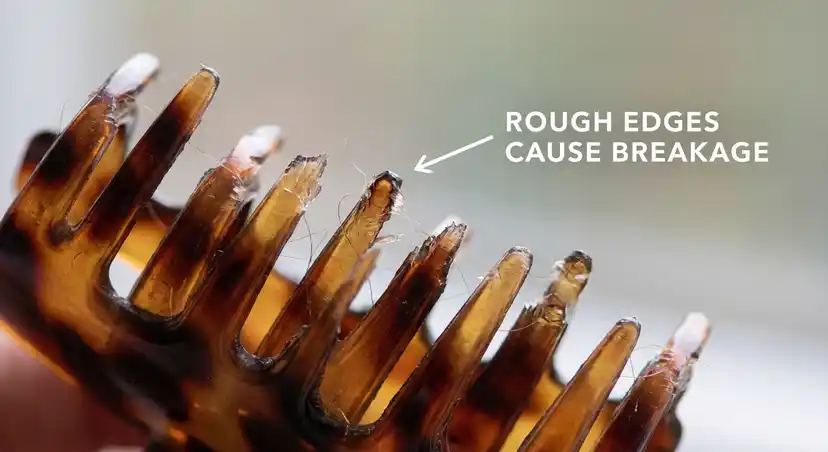
- Rough edges that catch and tear hair
- Brittle construction that creates sharp points when damaged
- Inconsistent teeth spacing that pulls unevenly
- Weak springs requiring constant repositioning (more handling = more damage)
Rubber
Actual rubber hair ties are the worst offenders:
- Extreme friction when wrapping
- Stretch and release action pulls hair
- Often yank out strands during removal
- Should never be used on hair
Metal with Sharp Edges
Metal itself isn't problematic—some metal clips are quite gentle. The issue is poorly finished metal with sharp edges, points, or rough surfaces that snag and cut hair.
Fabric That Absorbs
Fabric-covered accessories (except silk/satin) can absorb moisture from your hair, leading to dryness and brittleness over time.
Quality Indicators to Look For
When shopping for hair accessories, check for:
| Feature | Why It Matters | What to Look For |
|---|---|---|
| Smooth edges | Prevents snagging | Run your finger along all edges |
| Even teeth spacing | Distributes pressure | No gaps or bunched teeth |
| Flexible material | Molds to head shape | Slight give when pressed |
| Strong spring | Reduces repositioning | Snaps back firmly when opened |
| Quality finish | No rough spots | No visible seams or burrs |
For recommendations, see safe vs. damaging hair clips: how to tell the difference.
The Gentle Hold Principles
Protecting your hair isn't just about what accessories you use—it's about how you use them. These principles apply regardless of your chosen tools.
Principle 1: Distribute Tension
Never concentrate all the pulling force in one spot. Techniques to spread the load:
Use adequate sizing: A clip or tie that's too small must work harder to hold, creating more tension. Size up when in doubt. See our claw clip size guide.
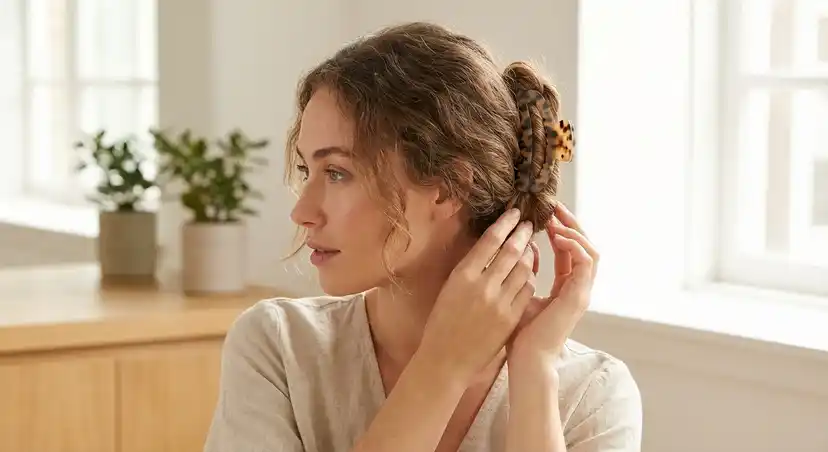
Twist loosely: When using claw clips, a loose twist is gentler than a tight spiral. Your hair should feel secure but not strained.
Consider multiple clips: For thick or heavy hair, two smaller clips may distribute weight better than one large clip struggling to hold.
Let gravity help: Styles that work with gravity (like loose buns at the nape) create less tension than styles fighting gravity (tight high ponytails).
Principle 2: Rotate Positions
The same styling spot stressed daily accumulates damage. Rotation strategies:
Daily variation:
- Monday: Clip at crown
- Tuesday: Low at nape
- Wednesday: Side placement
- Thursday: Different height
- Friday: Opposite side
Weekly rest days: Go style-free at home. Let your scalp and strands recover.
Seasonal changes: Summer and winter can have different go-to styles, naturally creating rotation.
For styling variety, see how to style a claw clip: 10 easy hairstyles.
Principle 3: Listen to Feedback
Your body tells you when something's wrong:
| Signal | What It Means | What to Do |
|---|---|---|
| Tenderness after styling | Tension too high | Loosen immediately |
| Headaches from hairstyle | Pressure on scalp nerves | Try lower, looser placement |
| Visible creasing/denting | Compression stress | Different accessory or looser grip |
| Broken hairs at tie line | Friction/tension damage | Switch to gentler accessories |
| Scalp bumps/irritation | Follicle stress | Give scalp a rest, see dermatologist if persistent |
Principle 4: Match Accessory to Activity
Different situations need different approaches:
| Activity | Best Approach | Why |
|---|---|---|
| Office work | Quality claw clip | Secure but comfortable for hours |
| Workouts | Large claw clip with strong spring | Security matters more than aesthetics |
| Sleep | Silk scrunchie or loose braid | Minimal friction overnight |
| Swimming | Waterproof clip or nothing | Chlorine + tension = extra damage |
| At home | Down or very loose | Give hair a rest |
For workout-specific guidance, see our ultimate guide to claw clips for working out.
Principle 5: Condition Before Clipping
Healthy hair handles accessories better:
- Well-moisturized hair is more elastic and break-resistant
- Detangled hair won't catch on clip teeth
- Product (light serum or leave-in) reduces friction
Principle 6: Remove Gently
How you take accessories out matters as much as how you put them in:
For claw clips: Squeeze to open fully before lifting away. Never yank.
For hair ties: Unwrap each loop rather than pulling the whole thing off.
For bobby pins: Slide out in the direction they went in. See how to use bobby pins.
General rule: If removal hurts or pulls, you're doing it too fast.
For detailed technique, see how to use a claw clip without damaging your hair.
Protection Strategies by Hair Type
Different hair types face different vulnerabilities. Here's how to protect each:
Fine Hair Protection
Fine hair strands have smaller diameters, making them more vulnerable to breakage. Protection strategies:
Use lightweight clips: Heavy clips can pull fine strands. Choose smaller, lighter options.
Avoid excessive twisting: Fine hair breaks more easily under rotational stress.
Choose textured grip surfaces: Smooth clips slide out of fine hair, tempting you to twist tighter. Matte finishes grip better with less tension.
Be gentle with wet hair: Fine wet hair is especially fragile. Avoid any accessories when soaking wet.
See our best claw clips for fine hair recommendations.
Thick Hair Protection
Thick hair has more strands and weight, creating different challenges:
Size up: Clips that are too small strain to hold thick hair, creating excess tension at the clip point.
Check spring strength: Weak springs lead to slipping and constant repositioning. Each adjustment stresses hair.
Distribute weight: Multiple clips may work better than one clip fighting to hold everything.
Avoid styles that fight gravity: High ponytails with thick hair put significant pulling force on the hairline.
See best claw clips for thick hair for recommendations.
Curly Hair Protection
Curly hair patterns create unique friction and tension patterns:
Never brush dry curls: Brushing separates curl patterns and creates frizz. Only detangle wet, conditioned hair.
Use wide-tooth accessories: Tight teeth crush curl patterns and create friction.
Sleep protected: Curly hair tangles more overnight. A silk pillowcase or satin bonnet helps. According to True Hair Education, "Curly hair should always be on a silk pillowcase."
Refresh rather than restyle: Each full restyling session creates mechanical stress. Refresher sprays extend styles.
See best claw clips for curly hair.
Thin Hair Protection
Thin hair (fewer strands overall) shows damage more quickly:
Choose the gentlest options: You have less margin for error. Invest in quality.
Avoid anything that pulls: Even slight tension is visible on thin hair.
Camouflage thoughtfully: Avoid styles that expose thinning areas to further stress.
Be patient with growth: Damaged thin hair needs time. Don't rush recovery with more styling.
See best claw clips for thin hair and best gentle claw clips for thinning hair.
Chemically Treated Hair
Color, bleach, relaxers, and perms weaken hair structure:
Extra gentleness required: Chemically treated hair breaks more easily. Size up, loosen up.
More frequent conditioning: Weakened hair needs more moisture to maintain elasticity.
Reduce overall styling frequency: Limit how often you put hair up.
Consider protein treatments: Bond builders help restore some strength. See recovery strategies.
Long Hair Protection
Length creates weight that pulls on roots:
Support the length: Don't let the weight of long hair pull on clips. Twist to gather length before clipping.
Buns over ponytails: Buns distribute weight better than a hanging ponytail.
Protect ends: Long hair ends have survived years of weathering. They're the oldest, most fragile part.
Regular trims: Removing damaged ends prevents splits from traveling up.
See best claw clips for long hair.
Short Hair Protection
Short hair has different needs:
Smaller clips prevent over-gripping: A large clip on short hair may clamp too tightly trying to hold.
Less is more: Short hair may not need accessories at all. Don't create unnecessary stress.
Watch the hairline: Short styles often put clips near the front hairline, which is more vulnerable to traction damage.
See how to use a claw clip on short hair and best claw clips for short hair and bobs.
Overnight Hair Protection
You spend about a third of your life in bed. That's a lot of time for friction damage to accumulate—or for gentle protection to support recovery.
Why Sleep Matters for Hair Health
Friction from movement: You shift positions many times per night. Each movement drags hair against your pillowcase.
Tangling: Hair tangles while you sleep, and morning detangling creates more stress.
Pressure points: Lying on hard accessories (like a clip at the wrong angle) can crease and damage hair.
Dehydration: Cotton pillowcases absorb moisture from hair overnight.
Best Sleep Protection Methods
Silk Pillowcases
The most passive protection: just change your pillowcase.
Lab testing proves silk reduces hair friction by 34% compared to cotton. The smooth surface allows hair to glide during normal sleep movement rather than catching and pulling.
Additional benefits:
- Doesn't absorb hair moisture or product
- Helps maintain styled looks longer
- Also benefits skin (reduces sleep creases)
Look for 100% mulberry silk with a momme weight of 19-25 (higher = more durable).
Satin Alternatives
Satin (polyester) provides similar friction reduction at lower cost. While not as breathable as silk, satin pillowcases effectively protect hair.
Loose Braids
A single loose braid keeps hair organized without creating tension:
- Braid loosely—no tight pulling at the scalp
- Secure with a silk scrunchie at the bottom
- Don't braid the same way every night (rotation matters)
Pineapple for Curly Hair
A loose, high ponytail ("pineapple") keeps curls from crushing:
- Gather hair at the very top of your head
- Use a silk scrunchie (not an elastic)
- Keep it loose—this is about organization, not security
Satin Bonnets and Caps
For maximum protection, especially for textured hair:
- Encases all hair in protective material
- Prevents tangling and friction
- Helps maintain styled looks
For detailed overnight strategies, see how to protect your hair while you sleep and how to sleep with a claw clip: protective overnight styles.
What to Avoid at Night
Tight ponytails: Eight hours of tension while you sleep is significant damage.
Wet hair styled up: Wet hair is weaker. Don't add tension.
Hard clips against scalp: Lying on a clip creates pressure points.
Anything that hurts: If you wake up with scalp tenderness, change your approach.
Morning Gentle Detangling
Even protected hair may need morning attention:
- Don't brush immediately—friction on "set" hair creates more damage
- Apply a detangling spray or leave-in conditioner
- Start from ends, working up to roots
- Use a wide-tooth comb or wet brush
- Be patient with tangles—work them out, don't rip through
Recovery and Repair Strategies
If you're already dealing with damage, these strategies help restore hair health.
Understanding Repair Limitations
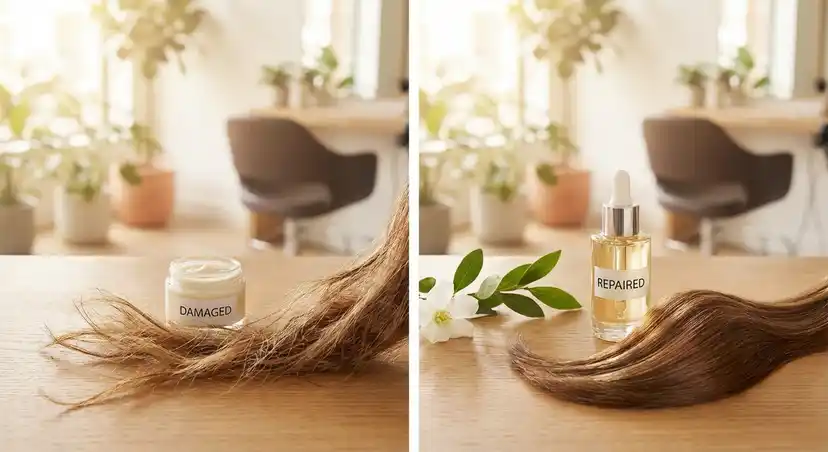
Important truth: Hair is dead tissue. Once a strand is damaged, it cannot "heal" the way skin heals. What repair treatments actually do:
- Fill gaps: Protein treatments deposit amino acids in damaged areas, temporarily strengthening the shaft
- Smooth cuticles: Conditioners and oils flatten raised cuticles, reducing further friction damage
- Prevent more damage: Healthy practices stop new damage from occurring
- Support new growth: Scalp care ensures new hair grows in healthy
The goal isn't to undo damage—it's to minimize it, mask it, and prevent more while healthy hair grows out.
Protein Treatments
Your hair is over 90% protein (primarily keratin). Damage breaks down these proteins, leaving gaps that make hair weak and porous.
Research on keratin protein treatments shows:
- Applying keratin to chemically damaged hair increased diameter by up to 49%
- Mechanical strength of bleached hair nearly doubled after a single treatment
- Treatments reduce breakage and split ends by fortifying weak bonds
How to use protein treatments:
- Apply every 4-6 weeks for damaged hair
- Follow with moisture-rich products (protein without moisture makes hair brittle)
- Look for hydrolyzed keratin, silk protein, wheat protein, or collagen in ingredients
Bond builders (like Olaplex) are specialized protein treatments that reconnect broken bonds within the hair shaft. They reach deeper layers and provide longer-lasting results than surface treatments.
Moisture Balance
Damaged hair is often porous, losing moisture easily. Restoring moisture:
- Deep conditioning: Weekly masks with ingredients like argan oil, coconut oil, or shea butter
- Leave-in conditioners: Daily protection that seals in moisture
- Hair oils: Argan, jojoba, or camellia oil smooth cuticles and add shine
The protein-moisture balance: Hair needs both strength (protein) and flexibility (moisture). Too much protein without moisture makes hair stiff and brittle. Too much moisture without protein makes hair limp and gummy. Alternate treatments.
Scalp Health
Healthy hair starts at the scalp:
- Gentle cleansing: Over-washing strips natural oils. Most hair does well with 2-3 washes per week.
- Scalp massage: Increases blood flow to follicles, supporting healthy growth
- Avoid buildup: Product buildup can clog follicles. Clarify periodically.
- See a dermatologist: If you notice unusual thinning, bumps, or irritation, get professional evaluation
Trimming Strategy
You can't repair split ends—only remove them. Regular trims:
- Prevent splits from traveling up the shaft
- Keep hair looking healthier overall
- Remove the most damaged portions
How often: Every 8-12 weeks for damaged hair, or whenever you notice splits. Even just a "dusting" (minimal length removal) helps.
Timeline for Recovery
With proper care, improvement timeline:
| Timeline | What to Expect |
|---|---|
| 2-4 weeks | Less breakage, improved texture |
| 1-3 months | Visible health improvement, new growth starting |
| 3-6 months | Significant recovery, healthy new growth visible |
| 6-12 months | Full-length health improvement (depending on starting point) |
Full recovery depends on damage severity and hair length. Severely damaged hair may need to grow out entirely.
For detailed repair guidance, see how to recover from hair accessory damage.
Building a Hair-Healthy Routine
Long-term hair health comes from consistent, gentle practices. Here's how to build a protective routine.
Daily Habits
Morning:
- Gentle detangle with wide-tooth comb
- Apply leave-in conditioner or light serum
- Style with quality accessories (claw clips, scrunchies)
- Keep tension loose
Midday:
- If hair feels tight, loosen or reposition clips
- Take hair down during lunch if possible
Evening:
- Remove accessories gently
- Detangle if needed
- Prepare for sleep protection (silk pillowcase, loose braid, bonnet)
Weekly Practices
- 1-2 deep conditioning treatments: More if hair is damaged or chemically treated
- 1-2 rest days: Hair completely down, no accessories
- Inspect your accessories: Check for rough edges, weak springs, damage
- Clean clips and ties: Buildup can create rough surfaces
Monthly Maintenance
- Protein treatment: Every 4-6 weeks for damaged hair
- Trim check: Assess for split ends
- Accessory rotation: Make sure you're not overusing one position
- Progress assessment: Is damage improving? New damage appearing?
Accessory Wardrobe Essentials
Build a collection of gentle options:
Must-haves:
- 2-3 quality claw clips in your best size
- Silk or satin scrunchies (for sleep and gentle hold)
- Wide-tooth comb or wet brush
Nice-to-haves:
- Acetate barrettes for variety
- Multiple clip sizes for different styles
- Spiral/coil ties for workouts
- Satin bonnet or silk pillowcase
For product recommendations, see:
- Best claw clips for damaged hair
- Best no-damage claw clips for everyday wear
- Best silk and satin hair accessories
When to See a Professional
Seek help from a dermatologist or trichologist if you notice:
- Unusual or sudden hair loss
- Scalp pain, itching, or persistent irritation
- Hair that won't stop breaking despite gentle care
- Visible thinning or bald patches
- Any symptoms that worry you
Early intervention for conditions like traction alopecia can prevent permanent damage.
For self-assessment, see signs your hair routine is causing damage.
FAQ
Are claw clips bad for your hair?
No. When used correctly, claw clips are among the gentlest hair accessories available. Research consistently shows claw clips cause significantly less hair shaft damage than elastic hair ties due to their distributed grip and lack of wrapping friction. The key is proper sizing, loose tension, and rotating positions.
For detailed information, see are claw clips bad for your hair? What stylists actually say.
Which hair accessories cause the most damage?
Rubber bands cause the most damage due to extreme friction and pulling. Standard elastic hair ties rank next, especially when worn tightly in the same position daily. Metal clips with sharp edges can also cause significant damage if poorly made.
The gentlest options are silk scrunchies, quality claw clips, and smooth acetate accessories.
Can hair damage from accessories be reversed?
It depends on the type and severity:
- Friction damage to the shaft: Not reversible, but can be masked with treatments and eventually trimmed away
- Early traction alopecia: Fully reversible with changed habits
- Advanced traction alopecia: May be permanent if follicles are scarred
The best approach is prevention, but early-stage damage responds well to better practices.
How do I know if my accessories are damaging my hair?
Warning signs include:
- Breakage at a consistent spot (where you always place ties/clips)
- Tenderness or soreness after styling
- Small bumps around hair follicles
- Thinning at the hairline or temples
- Hair that won't grow past a certain length due to breakage
If you notice these signs, switch to gentler accessories and rotate positions immediately.
Should I stop using hair ties completely?
You don't have to eliminate hair ties, but consider:
- Switching to silk or satin scrunchies instead of standard elastics
- Using claw clips as your primary option when possible
- Keeping ties loose
- Rotating position daily
- Never wearing tight ponytails for extended periods
How tight should a claw clip be?
Secure but not strained. You should not feel pulling, and removing the clip shouldn't require effort or cause pain. If you have headaches from your clip or see visible compression marks that last more than 30 minutes, you're clipping too tight.
Is it bad to wear your hair up every day?
Not if you do it gently. The problems arise from:
- Tight tension
- Same position every day
- Low-quality accessories
- Extended wear without breaks
Loose styles with quality clips, rotated daily, can be worn regularly without issue.
What's the best sleeping position for hair health?
Sleeping on a silk or satin pillowcase matters more than position. If you're a side sleeper, ensure hair isn't trapped under your body. Back sleeping is gentlest if comfortable, as it minimizes friction and crushing.
How often should I let my hair down?
Give your hair accessory-free time daily—at minimum while at home in the evening. Weekly rest days where hair stays completely down help too. The more time hair spends without tension, the better.
Are more expensive clips actually gentler?
Often yes, though not always. Premium clips typically use:
- Higher-quality materials (acetate vs. cheap plastic)
- Better spring mechanisms
- Smoother finishes
- More careful manufacturing
But brand name doesn't guarantee gentleness. Always check for smooth edges and proper sizing regardless of price.
See premium claw clip brand comparison for specific recommendations.
Related Articles in This Guide
Product Guides
- Best Claw Clips for Damaged Hair
- Best Breakage-Preventing Claw Clips
- Best Gentle Claw Clips for Thinning Hair
- Best No-Damage Claw Clips for Everyday Wear
- Best Silk & Satin Hair Accessories
Techniques & Tutorials
- How to Use a Claw Clip Without Damaging Your Hair
- How to Reduce Tension & Pressure When Wearing Clips
- How to Protect Your Hair While You Sleep
- How to Recover from Hair Accessory Damage
Comparisons
- Claw Clips vs. Hair Ties for Hair Health
- Acetate vs. Plastic Claw Clips
- Safe vs. Damaging Hair Clips: How to Tell
Problem-Solving
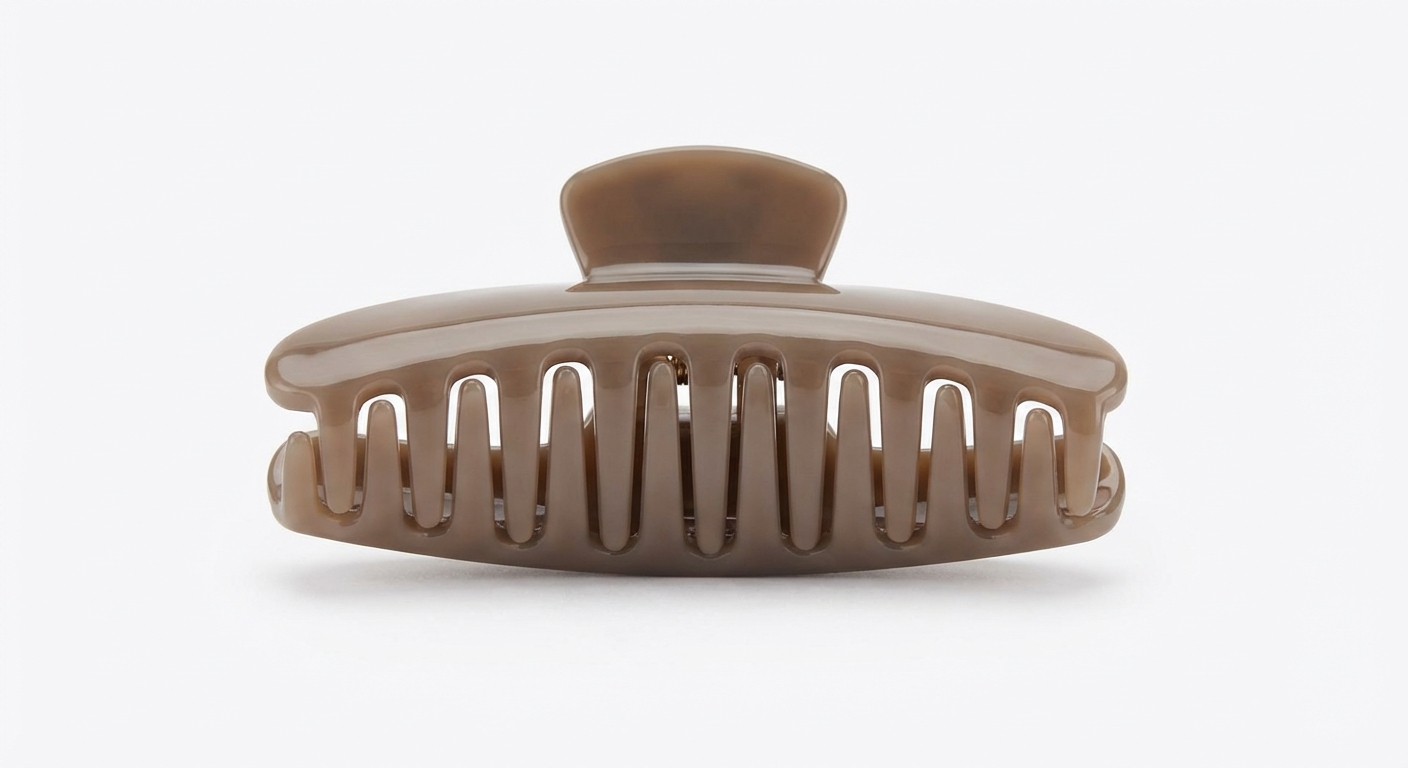
France Luxe Jaw Clip with Double Row Teeth
Premium acetate construction is polished smooth and won't catch or break hair. The double row design distributes grip to reduce pressure on any single area.
“My stylist recommended acetate clips and this one is gentle on my damaged hair....”
We tested dozens of claw clips to find the very best options. Below you'll find our complete ranking, with detailed reviews and real customer feedback for each pick.
The Complete Ranking
France Luxe Jaw Clip with Double Row Teeth
“My stylist recommended acetate clips and this one is gentle ...” — Verified Buyer
Premium acetate construction is polished smooth and won't catch or break hair. The double row design distributes grip to reduce pressure on any single area. Investment quality for daily use without damage.
“My stylist recommended acetate clips and this one is gentle on my damaged hair.”
— Verified Buyer
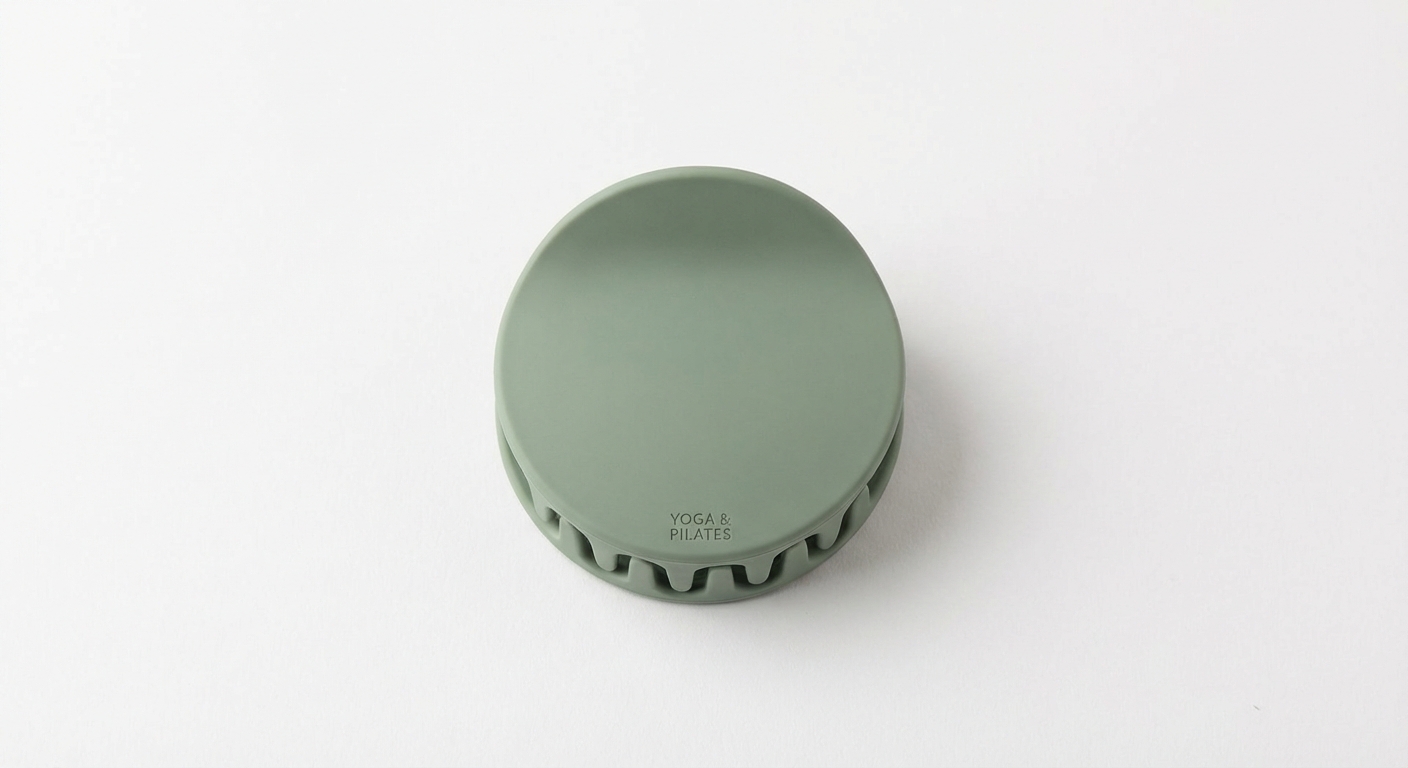
TELETIES Medium Flat Round Clip
“So gentle on my hair. The flat design doesn't create any pre...” — Verified Buyer
Flat-back design eliminates pressure points that stress hair. Bendable teeth flex with your hair instead of forcing it. Gentle enough for damaged, thinning, or fragile hair types.
“So gentle on my hair. The flat design doesn't create any pressure points.”
— Verified Buyer
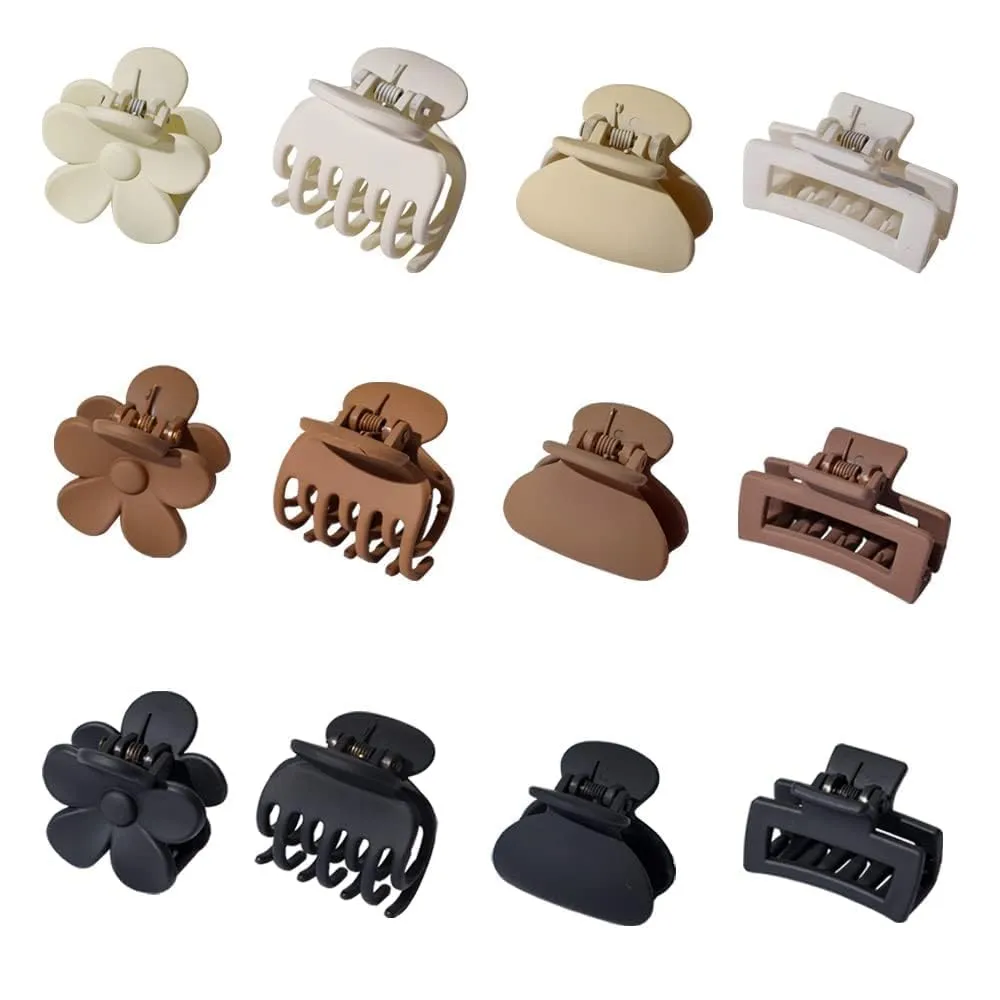
Mini Matte Jaw Clips (12 Pack)
“Light enough that my fragile hair doesn't break. Great for g...” — Verified Buyer
Lightweight clips that won't pull or stress delicate strands. Perfect for damaged hair that needs extra-gentle handling. Matte finish grips without excessive tension.
“Light enough that my fragile hair doesn't break. Great for gentle styling.”
— Verified Buyer
My stylist recommended acetate clips and this one is gentle on my damaged hair.
Quick Comparison
A side-by-side look at our top picks
Frequently Asked Questions
The accessory hierarchy matters
Damage is often reversible—if caught early
Material choice matters more than you think

Donna Miller
Enjoyed This Guide?
Get more hair tips and product recommendations delivered weekly.