- The Quick Verdict
- How Claw Clips Compare to Other Accessories
- Why Claw Clips Are Generally Safe
- When Claw Clips CAN Cause Damage
- Addressing Specific Concerns
- Best Practices for Healthy Clip Use
- Who Should Be Extra Careful
- What About Sleeping in Clips?
- Claw Clips vs. Other "Gentle" Options
- Signs Your Clips Are Causing Problems
- FAQs
- The Bottom Line
You've seen the claw clip trend everywhere, but maybe you've wondered: are claw clips actually safe for your hair? Or are they secretly causing damage?
The short answer: Claw clips are one of the gentlest hair accessories you can use. But like any tool, improper use can cause problems. This guide covers what stylists say about claw clip safety, how to use them without damage, and when to be cautious.
For claw clip basics and styling, see our ultimate guide to claw clips.
The Quick Verdict
Are claw clips bad for your hair? No. When used correctly, claw clips are among the gentlest hair accessories available. They're significantly less damaging than elastic hair ties, tight ponytails, and heat styling.
Can claw clips cause damage? Yes, but only with improper use. Problems arise from wrong sizing, excessive tightness, and using clips in the same position repeatedly.
How Claw Clips Compare to Other Accessories
| Accessory | Damage Risk | Main Concern |
|---|---|---|
| Claw clips | Low | Breakage only if too small/tight |
| Silk scrunchies | Very low | Minimal friction |
| Cloth scrunchies | Low | Some friction |
| Standard elastics | Moderate-High | Friction, tension, breakage |
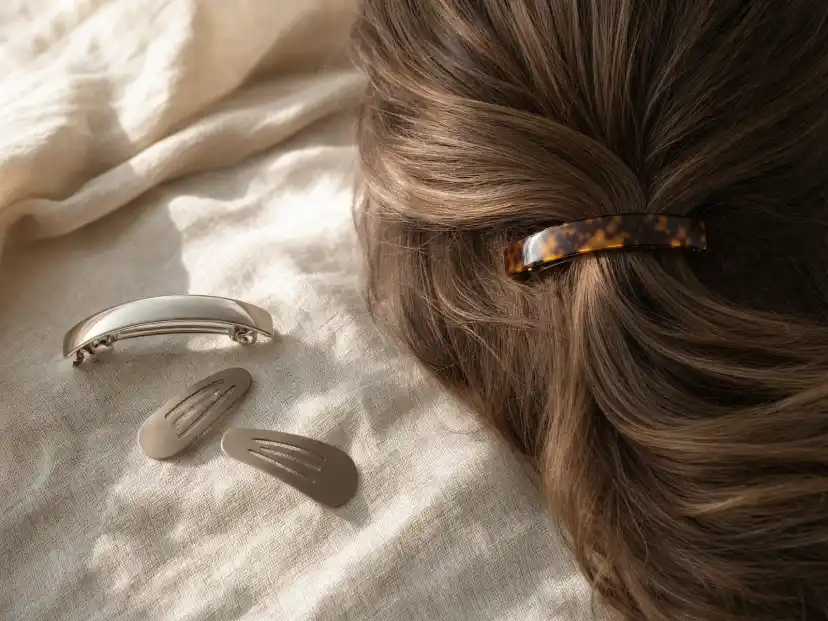
| Metal barrettes | Low-Moderate | Can snag or crease |
| Bobby pins | Low | Can break hair if forced |
| Tight ponytails | High | Traction alopecia risk |
| Heat tools | Very high | Direct heat damage |
Claw clips sit on the gentler end of the spectrum. Professional stylists often recommend them as healthier alternatives to daily elastic ponytails. The France Luxe Jaw Clip with Double Row Teeth is a stylist favorite due to its smooth acetate construction that's gentle on all hair types.
Why Claw Clips Are Generally Safe
No Wrapping = Less Friction
Hair ties wrap around your hair 2-3 times per use. Each wrap creates friction, and friction causes breakage over time. Claw clips grip hair between teeth without wrapping, eliminating this friction source entirely.
Distributed Pressure
When you use an elastic, all the tension concentrates in one line around your ponytail. Claw clip pressure distributes across multiple teeth, reducing stress on any single point.
Easy Removal
Pulling out a hair tie creates friction and can pull out hairs. Claw clips open with a simple squeeze, releasing hair immediately without tugging.
No Permanent Crease
Hair ties leave visible creases that can indicate stressed or damaged fibers. Any indentation from claw clip teeth is superficial and temporary, disappearing within 15-30 minutes.
When Claw Clips CAN Cause Damage
Claw clips aren't magic. They can cause problems in these situations:
Problem 1: Using the Wrong Size
What happens: A clip that's too small can't hold all your hair. You compensate by twisting tighter or repositioning repeatedly, creating friction and tension.
The fix: Use the right size clip for your hair volume. See our size guide.
Problem 2: Twisting Too Tight
What happens: Excessive twisting puts strain on hair at the clip point. Over time, this can cause breakage where the twist is tightest.
The fix: Twist firmly but not aggressively. If you see stress marks or feel pulling, you're twisting too tight.
Problem 3: Same Position Every Day
What happens: Wearing clips in the same spot daily concentrates stress in one area. Hair at that location can weaken and break.
The fix: Rotate clip positions. Monday at the crown, Tuesday lower, Wednesday on the side. Variety distributes stress.
Problem 4: Poor Quality Clips
What happens: Cheap clips may have:
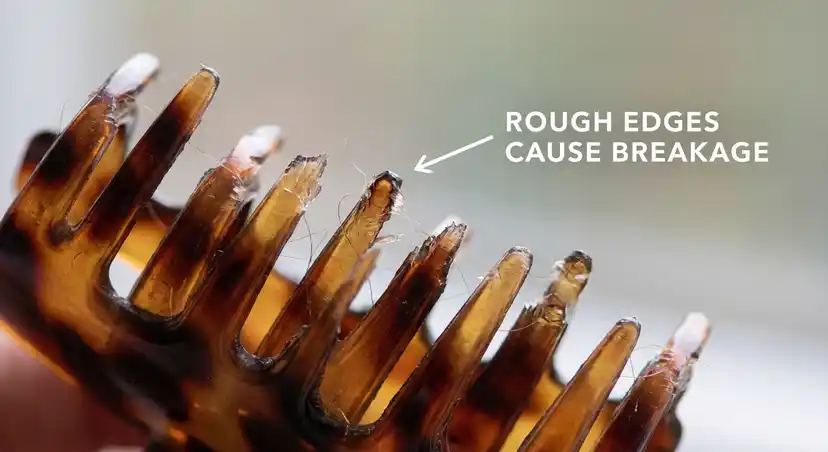
- Sharp edges on teeth that snag hair
- Uneven teeth that pull unevenly
- Weak springs that require constant repositioning
- Materials that catch and break strands
The fix: Invest in quality clips with smooth teeth and strong springs. The TELETIES Medium Flat Round Clip features bendable teeth that flex with your hair instead of stressing it. See our premium brand comparison.
Problem 5: Sleeping in Clips
What happens: Pressure from lying on a clip all night, combined with movement, can break hair and create dents.
The fix: Either remove clips for sleep or use specifically designed flat clips positioned carefully. See how to sleep with a claw clip.
Addressing Specific Concerns
"I noticed breakage where I clip my hair"
Likely causes:
- Clip is too small (straining to hold)
- Twist is too tight
- Same position every day
- Sharp or damaged clip teeth
Solutions:
- Size up your clip
- Twist more gently
- Rotate positions daily
- Inspect clip teeth for damage; replace if needed
"My clip leaves dents in my hair"
This is normal and not harmful. The dents are temporary (15-30 minutes) and don't indicate damage. However, if dents concern you:
- Use clips with wider-spaced teeth
- Loosen your twist slightly
- Use clips with flatter, smoother teeth surfaces
"My hair feels weaker since I started using clips"
Investigate timing and other factors. True hair weakening from claw clips is rare if using them correctly. Consider:
- Have you also changed your heat styling routine?
- New chemical treatments (color, straightening)?
- Seasonal dryness?
- Nutritional changes?
If claw clips are truly the only change, check your technique: size, tightness, and position rotation.
"My scalp hurts after wearing clips"
Causes and fixes:
| Symptom | Likely Cause | Fix |
|---|---|---|
| Pain at clip point | Clip too small, pulling to hold | Size up |
| Headache after hours | Too much tension in twist | Loosen twist |
| Scalp soreness | Same position daily | Rotate positions |
| Immediate pain | Clip too tight or positioned on sensitive area | Reposition or loosen |
Best Practices for Healthy Clip Use
Daily Habits
- Rotate clip position - Never wear a clip in the same exact spot two days in a row
- Don't twist excessively - Firm is fine; strained is not
- Take breaks - Let your hair down for part of each day
- Use proper size - When in doubt, size up
Weekly Habits
- Inspect your clips - Check for damaged or sharp teeth
- Clean clips - Product buildup can create stickiness that pulls hair
- Give hair rest days - Wear hair down occasionally
Long-Term Care
- Replace damaged clips - Bent or broken teeth snag hair
- Invest in quality - Better clips are gentler and last longer
- Monitor stress points - If you notice thinning in one area, adjust habits
Who Should Be Extra Careful
Fine or Fragile Hair
Fine hair breaks more easily. Use:
- Lightweight clips that don't pull—the Mini Matte Jaw Clips 12 Pack are excellent for delicate hair
- Clips with close-together teeth (better grip, less strain)
- Looser twists
For recommendations, see best claw clips for fine hair.
Damaged or Chemically Treated Hair
Hair that's already compromised needs extra gentleness:
- Avoid tight twisting entirely
- Use the largest comfortable clip size
- Consider silk scrunchies for some days
For product recommendations, see our best claw clips for damaged hair.
Thinning Hair or Hair Loss Concerns
If you're already experiencing thinning:
- Consult a dermatologist about any accessory use
- Avoid tension and pulling entirely
- Consider decorative-only clip use (no actual hold)
Wet Hair
Wet hair is more fragile than dry hair:
- Avoid clipping wet hair tightly
- Use larger clips that don't require tension
- Or let hair air dry before styling with clips
What About Sleeping in Clips?
Sleeping in claw clips is more risky than daytime wear because:
- You can't control pressure while asleep
- Movement creates friction
- Hours of pressure can stress hair
If you want to sleep with hair up:
- Silk scrunchies are gentler for overnight
- Loose braids cause less tension
- Specially designed flat clips can work if positioned carefully
For detailed guidance, see how to sleep with a claw clip.
Claw Clips vs. Other "Gentle" Options
Claw Clips vs. Silk Scrunchies
Both are gentle options. Silk scrunchies may be slightly gentler because they don't grip with teeth. Claw clips offer more styling versatility. Most people can use both interchangeably based on the situation.
For detailed comparison, see claw clips vs scrunchies.
Claw Clips vs. No-Crease Ties
Spiral "phone cord" ties are gentler than regular elastics but still wrap around hair. Claw clips avoid wrapping entirely. For pure hair health, clips have a slight edge.
For detailed comparison, see claw clips vs hair ties.
Claw Clips vs. Wearing Hair Down
Wearing hair down has no accessory-related damage risk. But it exposes hair to friction against clothing, tangling, and environmental damage. Well-used clips can actually protect hair by keeping it contained.
Signs Your Clips Are Causing Problems
Watch for these warning signs:
| Warning Sign | What It Indicates | Action |
|---|---|---|
| Visible breakage at clip point | Too tight, too small, or same position | Adjust technique, rotate positions |
| Scalp soreness | Excessive tension | Loosen, reposition |
| Hair thinning in one spot | Repeated stress in same location | Rotate positions immediately |
| Hair catching when removing | Damaged or sharp clip teeth | Replace the clip |
| Headaches | Too much tension | Loosen twist, try different position |
If you notice these signs, adjusting your technique usually resolves the issue within a few weeks.
FAQs
Do professional stylists recommend claw clips?
Generally yes. Most stylists consider claw clips a hair-healthy alternative to tight elastics. They often use them during styling sessions because they hold without creating creases or damage.
Can I wear a claw clip every day?
Yes, if you: use the right size, don't twist too tight, and rotate positions. Daily wear is fine when technique is correct.
Are expensive clips better for hair health?
Often yes. Premium clips typically have smoother teeth, better-quality materials, and stronger springs that hold without excessive tightness. The investment in quality usually means gentler wear.
My mom says clips cause bald spots. Is that true?
Any accessory that creates constant tension in one spot can contribute to traction alopecia over time. But this requires consistently tight wear in the same position for extended periods. Normal clip use with rotation doesn't cause this. For detailed information on this condition, see our guide on traction alopecia from hair accessories.
Are there any hair types that shouldn't use clips?
Most hair types work fine with clips. Very fragile or severely damaged hair should use any accessories with extra care. Consult a dermatologist if you have active hair loss conditions.
Is it better to wear hair down than use any accessory?
Not necessarily. Hair down is exposed to friction from clothing, wind tangling, and environmental damage. Well-used clips can actually protect hair. The gentlest option depends on your lifestyle and environment.
The Bottom Line
Claw clips are one of the gentlest hair accessory options available. They're safer than elastic hair ties for everyday use and cause minimal damage when used correctly.
The keys to healthy clip use:
- Right size (when in doubt, size up)
- Not too tight (firm twist, not strained)
- Rotate positions (never the same spot daily)
- Quality clips (smooth teeth, strong springs)
- Give hair breaks (down time is good)
If you've been hesitant to try claw clips due to damage concerns, the evidence supports giving them a try. For most people, they're a healthier choice than the elastic ponytails they replace.
For clip recommendations, explore our guides for fine hair, thick hair, and all hair types. For styling ideas that minimize stress, see our styling guide.
For comprehensive damage prevention strategies, read our complete guide to protecting your hair from damage.
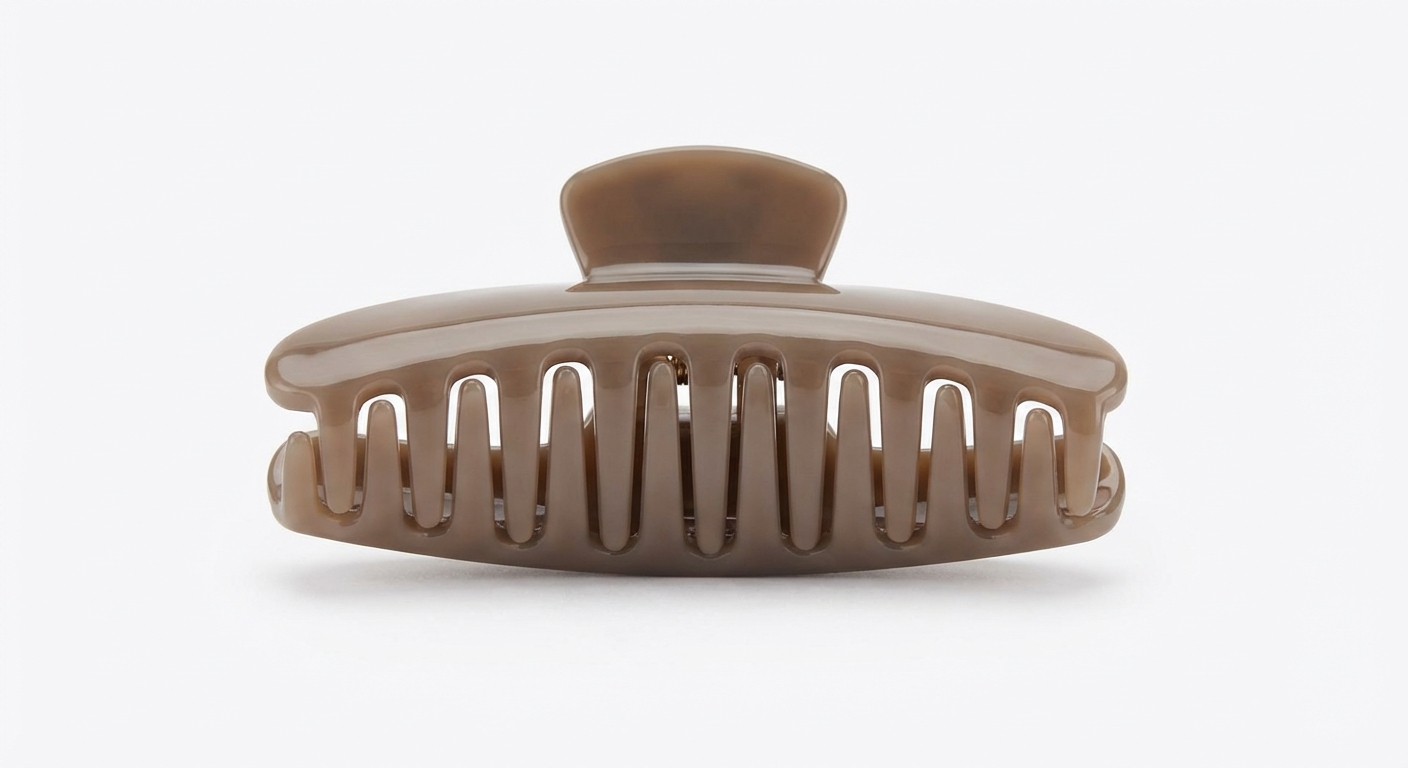
France Luxe Jaw Clip with Double Row Teeth
Premium acetate is smoother and gentler than plastic. The double row design distributes grip to reduce pressure on any one area.
“My stylist recommended this exact clip. Holds great and my hair is healthier....”
We tested dozens of claw clips to find the very best options. Below you'll find our complete ranking, with detailed reviews and real customer feedback for each pick.
The Complete Ranking
France Luxe Jaw Clip with Double Row Teeth
“My stylist recommended this exact clip. Holds great and my h...” — Verified Buyer
Premium acetate is smoother and gentler than plastic. The double row design distributes grip to reduce pressure on any one area. Stylist-recommended for daily use without damage.
“My stylist recommended this exact clip. Holds great and my hair is healthier.”
— Verified Buyer
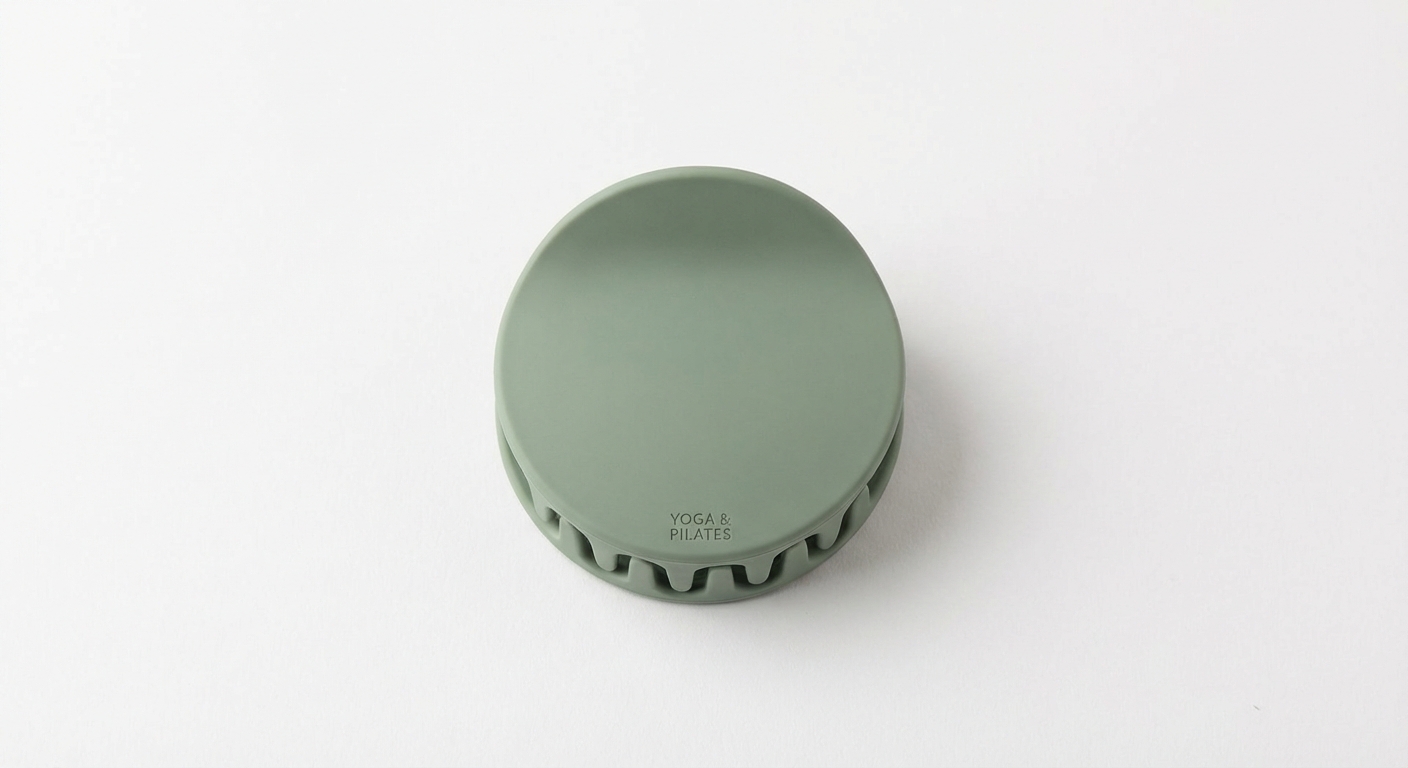
TELETIES Medium Flat Round Clip
“So gentle on my hair. No more breakage from clips....” — Verified Buyer
Flat-back design eliminates pressure points that can stress hair. Bendable teeth flex with your hair instead of forcing it. Gentle enough for damaged or fragile hair.
“So gentle on my hair. No more breakage from clips.”
— Verified Buyer
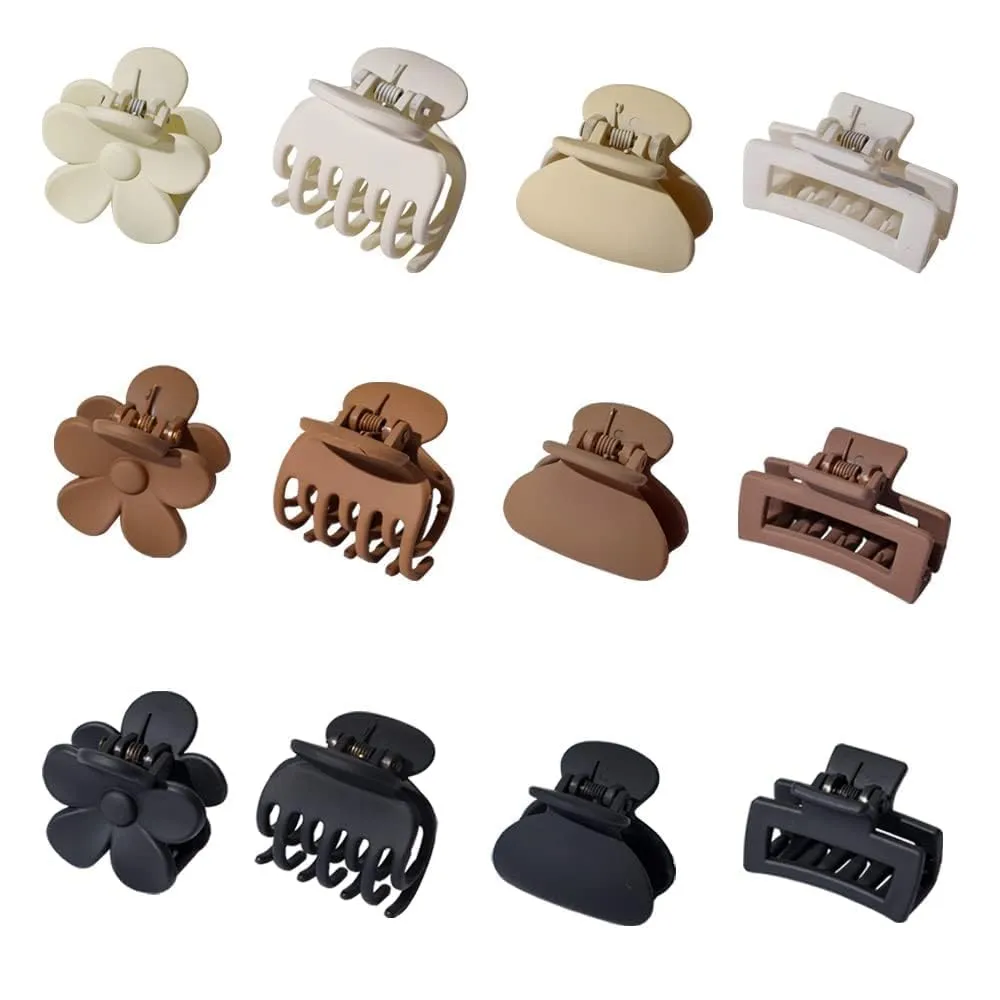
Mini Matte Jaw Clips (12 Pack)
“Finally clips that are gentle enough for my fine, damaged ha...” — Verified Buyer
Lightweight clips that won't pull or stress delicate strands. Matte finish grips without excessive tension. Perfect for fine or damaged hair that needs gentle handling.
“Finally clips that are gentle enough for my fine, damaged hair.”
— Verified Buyer
My stylist recommended this exact clip. Holds great and my hair is healthier.
Quick Comparison
A side-by-side look at our top picks
Frequently Asked Questions
The Relative Scale
The Stylist Consensus
The Real Culprit

Donna Miller
Enjoyed This Guide?
Get more hair tips and product recommendations delivered weekly.