Your hair accessories might be causing permanent hair loss—and you may not realize it until it's too late.
Traction alopecia is hair loss caused by prolonged pulling on hair follicles. Unlike genetic baldness, it's entirely preventable. And unlike some conditions, early stages are completely reversible.
But here's the critical part: once it progresses to the scarring stage, the damage becomes permanent. No treatment can restore follicles that have scarred over.
This guide covers everything you need to know about traction alopecia from hair accessories: what causes it, how to recognize early warning signs, and exactly how to prevent it while still styling your hair.
For comprehensive hair protection strategies, see our complete guide to protecting your hair from damage.
What Is Traction Alopecia?
Traction alopecia is a form of hair loss resulting from continuous or repeated pulling on hair follicles. When follicles experience persistent tension, they become damaged and eventually stop producing hair.
Key facts:
- Caused by mechanical stress, not genetics or hormones
- Develops gradually over months to years
- Fully preventable with proper styling habits
- Reversible in early stages, permanent in late stages
- Affects an estimated one-third of women who wear tight hairstyles regularly
According to research published in the British Journal of Dermatology, traction alopecia affects 31.7% of African women who regularly relax or perm their hair and wear tight styles. But it can affect anyone—of any ethnicity, gender, or age—who subjects their hair to consistent tension.
The Two Phases of Traction Alopecia
The condition follows a biphasic pattern, and understanding these phases is critical for knowing when you can recover versus when damage becomes permanent.
Phase 1: Non-Scarring (Reversible)
In early stages, the follicles are stressed but not destroyed:
What's happening:
- Follicles become inflamed from repeated tension
- Hair may thin or shed more than usual
- Small bumps may appear around hair follicles (folliculitis)
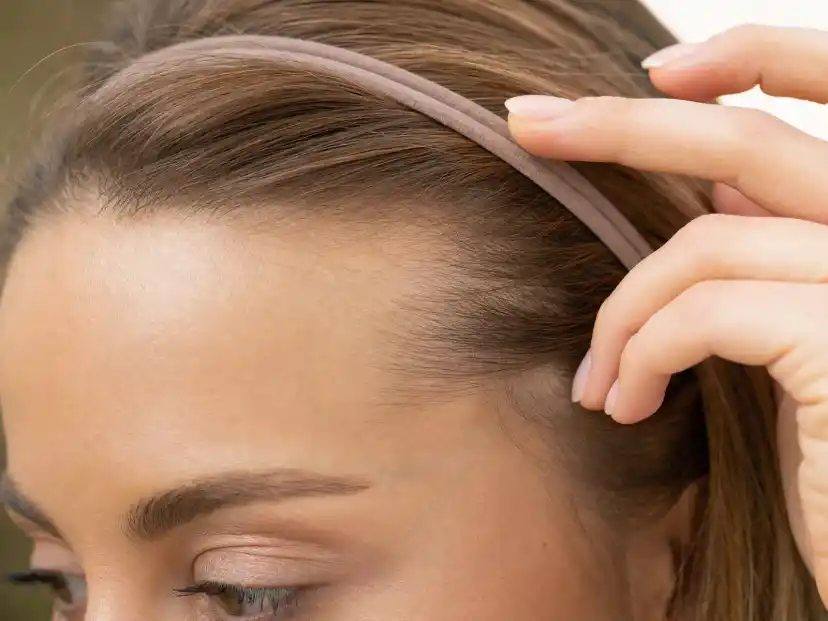
- The hairline or affected area looks thinner
What you'll notice:
- Tenderness at the scalp after styling
- Baby hairs that won't grow past a certain length
- Visible thinning at the hairline, temples, or part line
- Hair that seems to shed more when you style it
The good news: At this stage, changing your styling habits allows complete recovery. The follicles are damaged but not destroyed—given rest, they recover fully.
Recovery timeline: With changed habits, improvement begins within weeks and full recovery typically occurs within 3-6 months, depending on severity.
Phase 2: Scarring (Permanent)
If tension continues despite early warning signs, follicles become permanently damaged:
What's happening:
- Repeated stress causes follicle destruction
- Scar tissue forms where follicles used to be
- The affected area becomes smooth and shiny
- Hair cannot grow from scarred follicles
What you'll notice:
- Visible bald patches
- Smooth, shiny scalp in affected areas
- No baby hairs or fuzz in those areas
- The affected area doesn't change despite stopping the damaging practices
The reality: At this stage, no treatment can restore hair growth. The only options are cosmetic (hairpieces, micropigmentation) or surgical (hair transplants, which move follicles from elsewhere).
What Accessories Cause Traction Alopecia?
Any accessory that creates sustained tension can contribute to traction alopecia. Here's the risk hierarchy:
Highest Risk
| Accessory/Style | Why It's Risky | Typical Damage Location |
|---|---|---|
| Tight ponytails with elastics | Concentrated tension, friction, daily wear | Hairline, temples |
| Tight braids | Sustained pulling for days/weeks | Hairline, edges |
| Cornrows | Extremely tight, long-term wear | Entire hairline |
| Tight buns | Concentrated tension at a point | Where bun is anchored |
| Hair extensions (bonded) | Weight + adhesive stress | Where extensions attach |
| Weaves | Added weight on follicles | Attachment points |
Moderate Risk
| Accessory/Style | Why It's Risky | Risk Reduction |
|---|---|---|
| Standard elastic hair ties | Friction and tension | Switch to scrunchies or claw clips |
| Tight headbands | Pressure on hairline | Choose looser options |
| Hair ties worn in same spot daily | Concentrated repeated stress | Rotate positions |
| Heavy hair clips | Weight creates tension | Choose lightweight options |
Lower Risk
| Accessory/Style | Why It's Lower Risk | Still Watch For |
|---|---|---|
| Claw clips | Distributed grip, easy removal | Still need rotation |
| Scrunchies | Less friction than elastics | Avoid tight styling |
| Loose braids | Minimal tension | Don't leave in too long |
| Loose buns | Less concentrated stress | Position rotation |
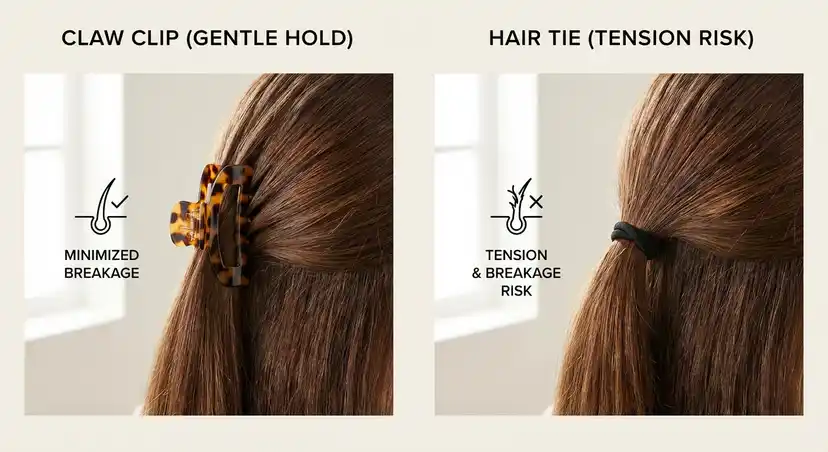
Dermatologists consistently recommend claw clips over tight hair ties because they reduce traction alopecia risk. The distributed grip and lack of constriction means less sustained tension on follicles—part of why clips are recommended for those concerned about traction stress.
Early Warning Signs
Catching traction alopecia early is everything. Watch for these signs:
Physical Symptoms
Tenderness or soreness:
- Scalp feels sore after styling
- Tender spots where accessories sit
- Pain when you let your hair down
Folliculitis (bumps around follicles):
- Small red or white bumps at hairline
- Irritation where hair is pulled
- Pustules in severe cases
Thinning:
- Hairline appears to be receding
- Temples looking thinner
- Part line widening
- "See-through" areas where hair used to be dense
Visual Signs
Short broken hairs:
- Tiny hairs at the hairline that won't grow
- "Baby hairs" that remain perpetually short
- Breakage at consistent locations
Changed hairline shape:
- Hairline higher than it used to be
- M-shaped pattern at temples
- Receding at sides while center remains
Compare old photos:
- Look at photos from 1-2 years ago
- Is your hairline different?
- Are temples or edges thinner?
When to See a Dermatologist
Seek professional evaluation if you notice:
- Visible thinning that persists despite changed habits
- Bald patches developing
- Scarring or smooth areas on scalp
- Significant hair loss in a short period
- Any symptoms that worry you
Early intervention can prevent permanent damage. Don't wait.
Who's Most at Risk?
While anyone can develop traction alopecia, certain factors increase risk:
Hairstyle Choices
- Regular tight ponytails or buns
- Braided styles worn continuously
- Extensions or weaves
- Styles requiring daily high tension
Hair Type Considerations
Higher vulnerability:
- Fine or thin hair (less tolerance for stress)
- Chemically treated hair (structurally weaker)
- Already-damaged hair
- Hair transitioning from relaxed to natural
Lower vulnerability but not immune:
- Thick, coarse hair
- Healthy, untreated hair
Age Factors
- Children: Often develop it from consistently tight ponytails or braids
- Any age: Can affect anyone who maintains damaging styles
- Cumulative effect: Longer history of tight styling = higher risk
A 2025 study from Kinshasa found:
- 80% of women with alopecia showed traction-type patterns
- Median age was 30.5 years
- 86% had localized damage, predominantly at temples and frontal hairline
- 81% experienced gradual development over time
Prevention: The Complete Strategy
Traction alopecia is entirely preventable. Here's exactly how:
1. Loosen All Styles
The rule: If it feels tight, it is damaging.
Practical application:
- If you feel pulling at your scalp, loosen the style
- If you get headaches from your hairstyle, it's too tight
- A comfortable hold should feel secure but not strained
How to test: After styling, close your eyes and notice sensations. Any feeling of tension means you need to loosen up.
2. Rotate Positions Daily
Why it matters: The same spot stressed daily accumulates damage. Different spots stressed occasionally recover.
Implementation:
- Monday: Clip at crown
- Tuesday: Low at nape
- Wednesday: Right side
- Thursday: Mid-height
- Friday: Left side
- Weekend: Hair down or varied styles
For ponytail wearers: If you must wear ponytails, change the height and position every day.
3. Choose Gentler Accessories
Switch from → To:
| Damaging | Gentler Alternative |
|---|---|
| Standard elastics | Silk scrunchies |
| Tight hair ties | Claw clips |
| Metal barrettes with rough edges | Smooth acetate clips |
| Rubber bands | Spiral/coil ties |
For clip recommendations, see best no-damage claw clips for everyday wear and best claw clips for damaged hair.
4. Take Regular Breaks
Daily:
- Take hair down when at home
- Give scalp evening and overnight rest
- Don't sleep in tight styles
Weekly:
- At least one day with hair completely down
- Limit tight styling to necessary occasions
- Consider "recovery days" for your scalp
Between styles:
- Allow rest between braided styles
- Don't immediately reinstall extensions
- Give follicles time to recover
5. Limit Wear Duration
Guidelines by style:
| Style | Maximum Duration | Rest Before Repeat |
|---|---|---|
| Ponytail | 8-10 hours | Until next day |
| Tight bun | 6-8 hours | 24 hours |
| Braids | 4-6 weeks | 2+ weeks |
| Extensions | Per stylist guidance | 1+ weeks |
| Claw clip (loose) | All day if comfortable | Overnight |
6. Care for Your Edges
The hairline is most vulnerable. Special attention here:
- Avoid styles that pull directly on hairline
- Use edge control products sparingly (some can cause buildup)
- Consider leaving baby hairs loose rather than slicking them down tightly
- Massage hairline gently to promote blood flow
7. Listen to Children's Feedback
If you style children's hair:
- Ask if it feels tight or hurts
- Choose looser options
- Rotate styles and positions
- Avoid the same tight ponytail daily
- Start protective habits early
If You're Already Showing Signs
If you recognize early warning signs:
Immediately
- Stop the damaging practices: No more tight styles until fully recovered
- Switch to loose styling only: Claw clips, loose braids, gentle scrunchies
- Give affected areas complete rest: No tension on damaged spots
- Consider seeing a dermatologist: For evaluation and guidance
Short-Term Care
- Gentle scalp massage to promote blood flow
- Avoid further chemical treatments until recovered
- Minimize heat styling
- Keep hair moisturized to reduce breakage
Recovery Expectations
- Mild cases: Improvement within 2-4 weeks, full recovery in 1-3 months
- Moderate cases: Noticeable improvement in 1-2 months, full recovery in 3-6 months
- Severe (non-scarring) cases: Full recovery may take 6-12 months
If you see no improvement after 3-6 months of changed habits, consult a dermatologist. You may have reached the scarring phase, or there may be another underlying condition.
Treatment Options for Advanced Cases
When prevention fails and scarring occurs:
Medical Treatments
- Minoxidil: May help if some follicles remain active
- Anti-inflammatory treatments: Can help during recovery phase
- PRP (Platelet-Rich Plasma): Some evidence for stimulating remaining follicles
Note: These work best for early-stage cases where follicles aren't fully destroyed.
Surgical Options
- Hair transplant: Moving follicles from unaffected areas to affected areas
- Best for: Stable cases where damage has stopped progressing
- Limitation: Requires healthy donor follicles elsewhere
Cosmetic Solutions
- Scalp micropigmentation: Tattoo dots that simulate hair follicles
- Hairpieces/toppers: Cover affected areas
- Strategic styling: Hairstyles that cover thinning areas
What Doesn't Work
- No product can regrow hair from scarred follicles
- No supplement reverses permanent damage
- "Miracle" treatments targeting scarred areas are ineffective
- Only prevention and early intervention truly work
The Claw Clip Advantage
Claw clips specifically help prevent traction alopecia because:
Distributed Tension
Unlike ponytails that concentrate all pulling force in one line, claw clips spread pressure across multiple teeth and a larger area.
No Wrapping Friction
Hair ties wrap around hair 2-3 times, creating friction. Claw clips grip between teeth without wrapping.
Easy Position Rotation
Claw clips work in many positions, making daily rotation simple. Ponytails often end up in the same spot out of habit.
Comfortable Looseness
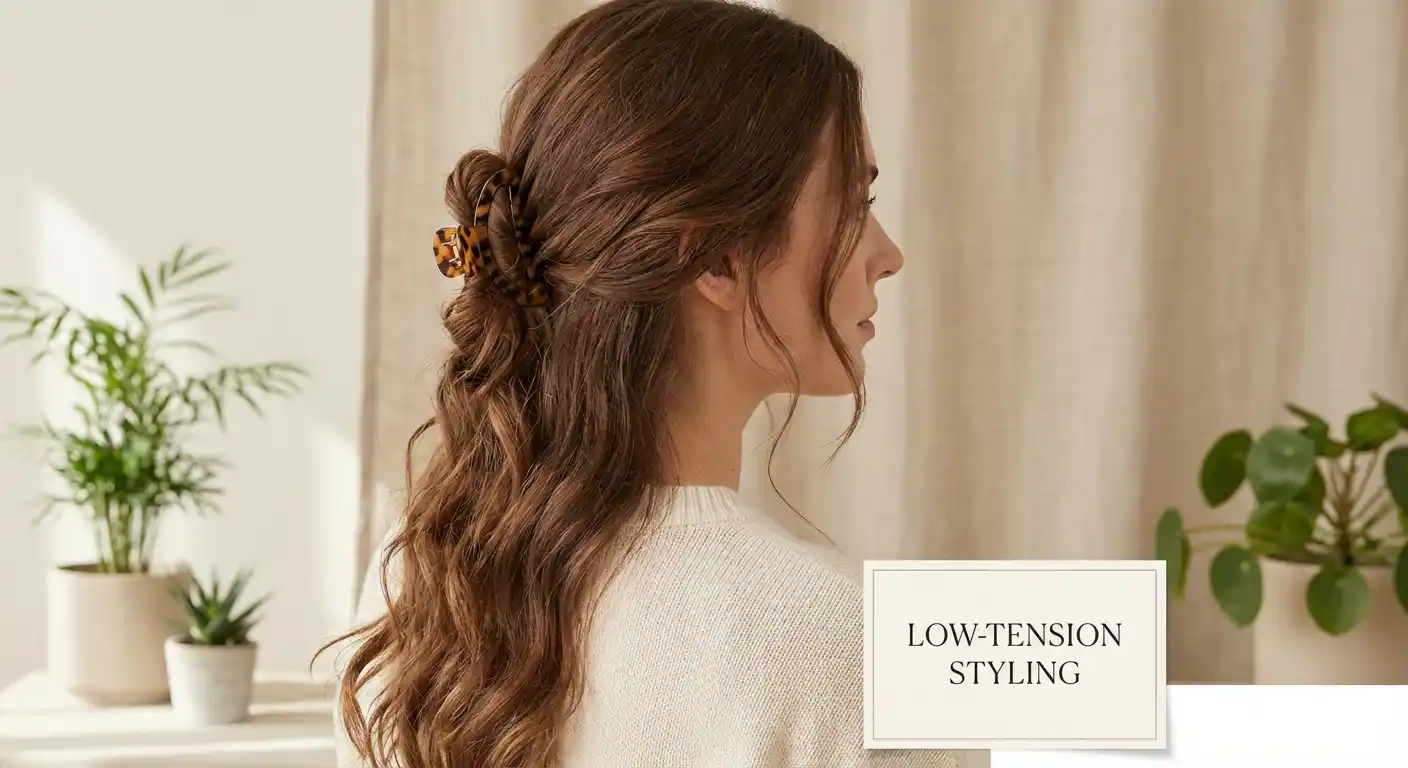
Loose claw clip styles still look intentional. Loose ponytails just look... loose. This makes it easier to style gently.
Research Support
Research consistently shows claw clips cause significantly less hair shaft damage than elastic ties, supporting their role in traction alopecia prevention.
For proper technique to maximize these benefits, see how to use a claw clip without damaging your hair.
FAQ
Can traction alopecia be reversed?
In early (non-scarring) stages, yes—completely. The key is catching it early and immediately changing habits. Once follicles scar over, the damage is permanent. This is why recognizing early warning signs matters so much.
How long does it take for traction alopecia to develop?
It varies by severity of tension and individual factors. Some people show signs within months of tight styling; others may style tightly for years before noticeable thinning. Generally, the tighter and more consistent the tension, the faster damage accumulates.
Are claw clips completely safe?
Claw clips are among the gentlest accessories, but no accessory is safe if used incorrectly. Even claw clips can cause problems if you twist too tight, use the same position daily, or use clips that are too small for your hair. Proper technique matters.
Can children get traction alopecia?
Yes. Children who consistently wear tight ponytails, braids, or other high-tension styles can develop traction alopecia. Their follicles are just as vulnerable as adults'. Start gentle styling habits early.
Will my hair grow back after stopping tight styles?
If you're in the early (non-scarring) phase, yes. Give it 3-6 months of gentle styling and you should see improvement. If you've reached the scarring phase, affected areas won't regrow, but stopping further damage prevents additional loss.
How do I style my hair without causing traction alopecia?
- Keep all styles loose (you shouldn't feel pulling)
- Rotate positions daily
- Use gentle accessories (claw clips, scrunchies)
- Take breaks from styling
- Never sleep in tight styles
- Listen to your body—pain means damage
Should I avoid ponytails completely?
You don't have to eliminate ponytails, but modify them:
- Keep them loose
- Use scrunchies instead of elastics
- Rotate the height and position daily
- Don't wear them for extended periods
- Switch to claw clips when possible
Related Articles
- The Complete Guide to Pain-Free Hair Styling
- Scalp Pain After Wearing Hair Clips
- Best Claw Clips for Sensitive Scalps
- The Complete Guide to Protecting Your Hair from Damage
- How to Use a Claw Clip Without Damaging Your Hair
- Best Gentle Claw Clips for Thinning Hair
- Claw Clips vs. Hair Ties for Hair Health
- Signs Your Hair Routine Is Causing Damage
- How to Recover from Hair Accessory Damage
- How to Reduce Tension & Pressure When Wearing Clips
- Best Breakage-Preventing Claw Clips
- How to Protect Your Hair While You Sleep
- Best Claw Clips for Damaged Hair
- Best No-Damage Claw Clips for Everyday Wear
- Safe vs. Damaging Hair Clips: How to Tell
- Best Silk & Satin Hair Accessories for Hair Health
- Why Your Hair Clip Might Be Breaking Your Hair
- Acetate vs. Plastic Claw Clips
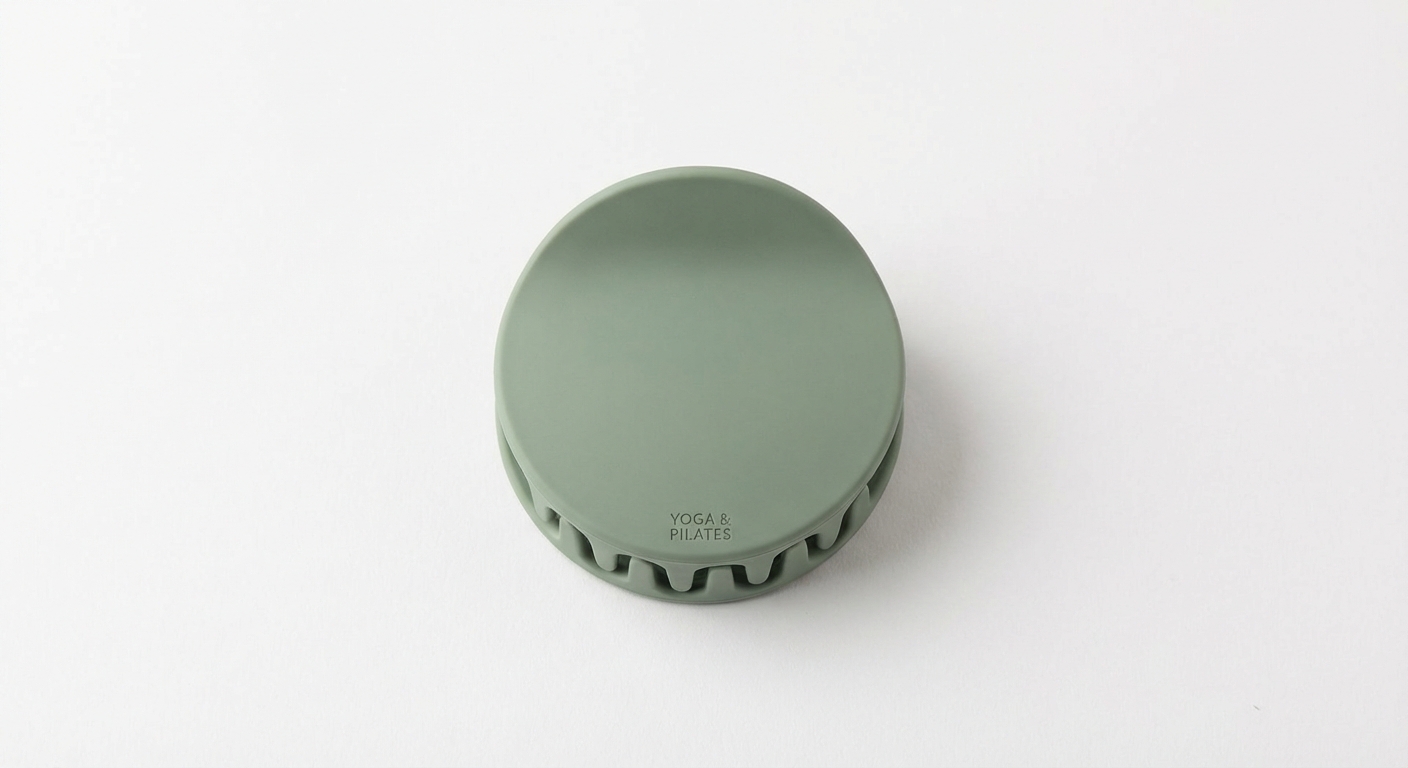
TELETIES Medium Flat Round Clip
Designed to minimize the tension that causes traction alopecia. Flat back creates no concentrated pressure points.
“Switched to prevent further hairline damage. No tension at all....”
We tested dozens of claw clips to find the very best options. Below you'll find our complete ranking, with detailed reviews and real customer feedback for each pick.
The Complete Ranking
TELETIES Medium Flat Round Clip
“Switched to prevent further hairline damage. No tension at a...” — Verified Buyer
Designed to minimize the tension that causes traction alopecia. Flat back creates no concentrated pressure points. Bendable teeth grip gently without pulling at follicles.
“Switched to prevent further hairline damage. No tension at all.”
— Verified Buyer
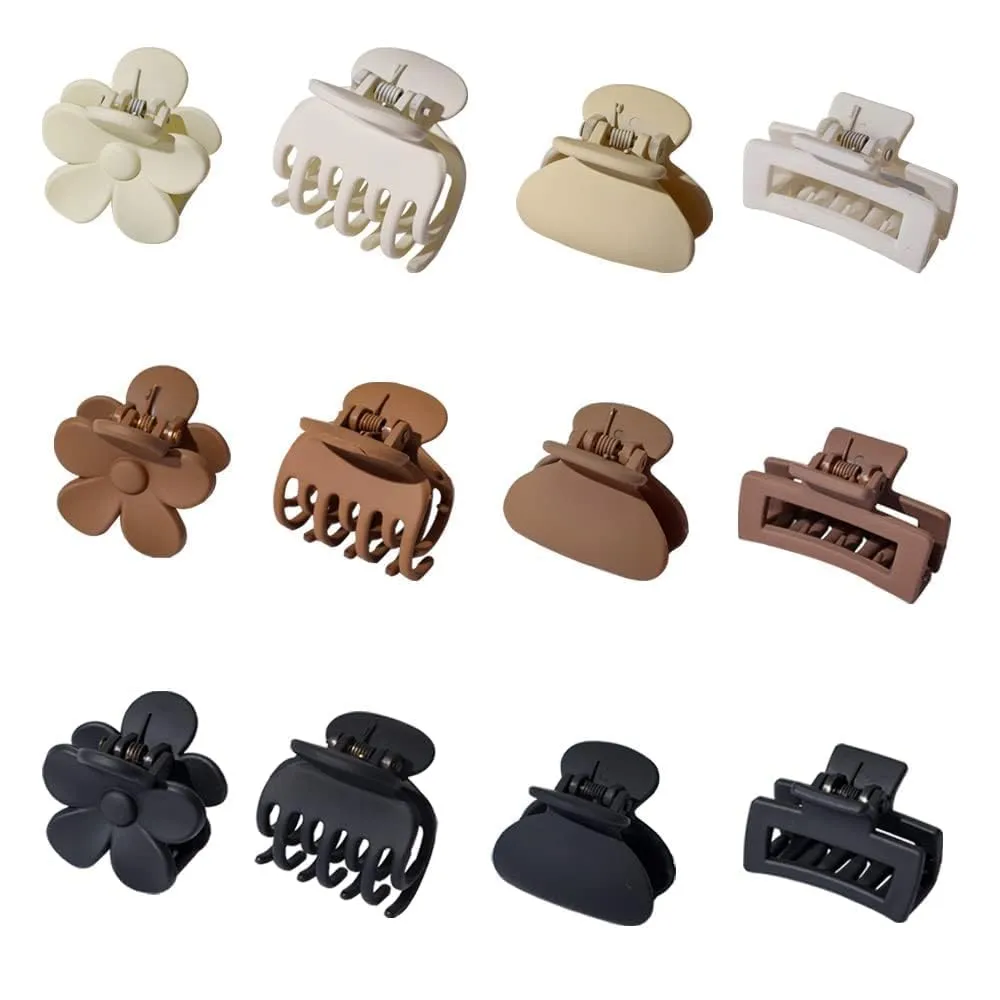
Mini Matte Jaw Clips (12 Pack)
“Dermatologist recommended loose clips. These work perfectly....” — Verified Buyer
Lightweight clips that distribute grip without concentrated pulling. Small size means you can rotate positions frequently. Gentle enough to use during recovery from traction alopecia.
“Dermatologist recommended loose clips. These work perfectly.”
— Verified Buyer
Switched to prevent further hairline damage. No tension at all.
Quick Comparison
A side-by-side look at our top picks
Frequently Asked Questions
It's preventable—and often reversible
One-third of high-risk groups are affected
The fix is simpler than you think

Donna Miller
Enjoyed This Guide?
Get more hair tips and product recommendations delivered weekly.