The breakage, thinning, and split ends from hair accessory damage aren't permanent—but recovery requires more than new products.
True recovery from styling damage involves three things: stopping the source of damage, supporting what's left, and giving time for healthy hair to grow in. Products help, but they can't replace the fundamentals.
This guide walks you through complete recovery—from immediate changes through long-term rebuilding.
For preventing future damage, see our complete guide to protecting your hair from damage.
Understanding What "Recovery" Means
Hair Is Dead Tissue
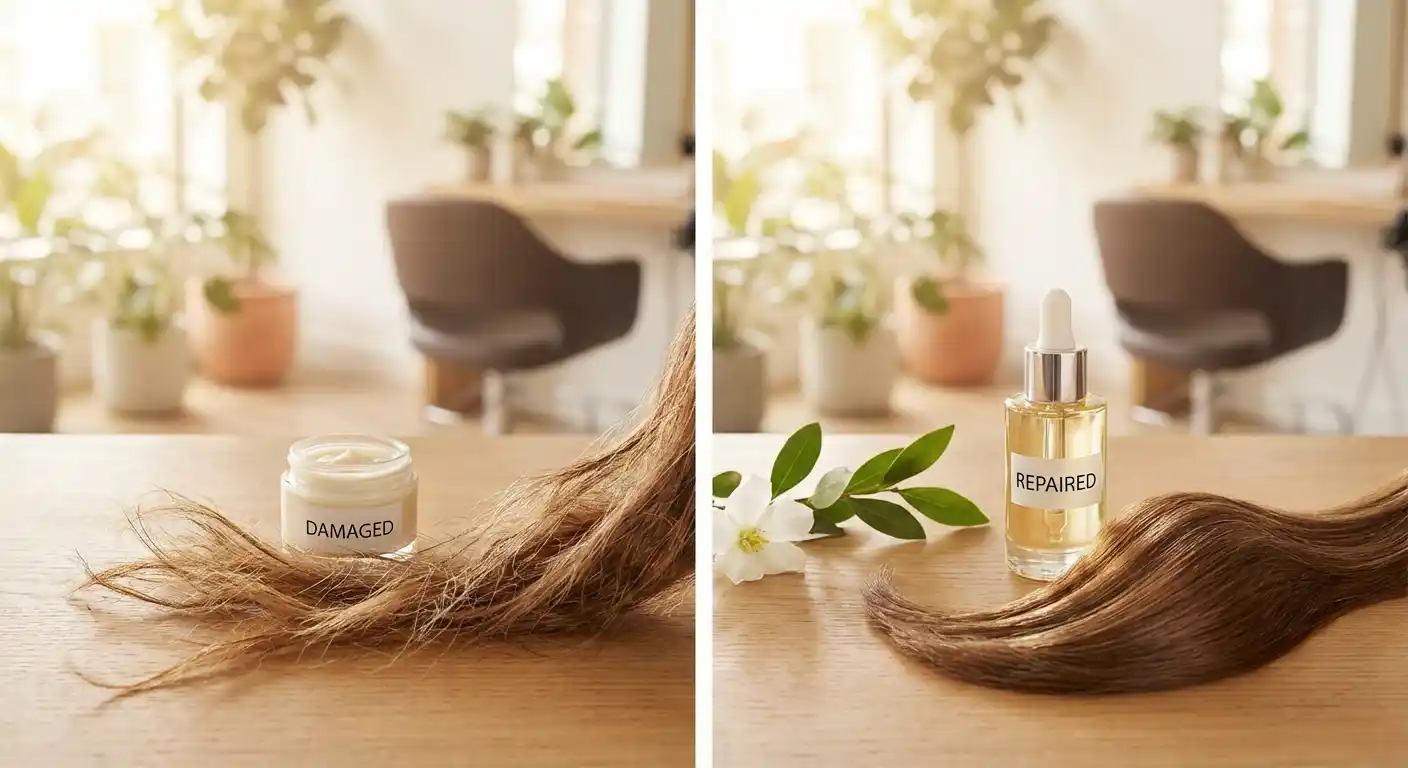
Important reality: Hair strands are dead cells. Unlike skin, they cannot heal themselves. A damaged hair shaft cannot become undamaged.
What this means:
- Products can't "repair" hair in the healing sense
- Damaged sections remain damaged until cut off
- "Repair" products improve appearance and reduce further damage
- True recovery = healthy new growth + protection of existing hair
What Products Actually Do
Protein treatments: Fill gaps in damaged hair structure, temporarily strengthening strands and reducing breakage.
Conditioners: Smooth the cuticle layer, reducing friction and tangling.
Oils and serums: Coat the shaft, adding shine and protection.
Bond builders: Reconnect broken internal bonds, providing longer-lasting strengthening than regular protein.
All of these help—but they improve appearance and prevent further damage rather than reversing existing damage.
The Real Recovery Process
- Stop ongoing damage (immediate)
- Protect and strengthen existing hair (ongoing)
- Support healthy new growth (ongoing)
- Wait for damaged sections to grow out (time)
Phase 1: Stop the Damage
Before anything else, eliminate the damage sources.
Identify What Caused the Damage
Common accessory-related causes:
| Damage Pattern | Likely Cause |
|---|---|
| Breakage at ponytail line | Elastic hair ties |
| Breakage at clip location | Rough clips, same position daily |
| Thinning at hairline | Tight styles, traction |
| General breakage throughout | Multiple sources |
| Breakage at specific spot | Same styling position repeatedly |
Make Immediate Changes
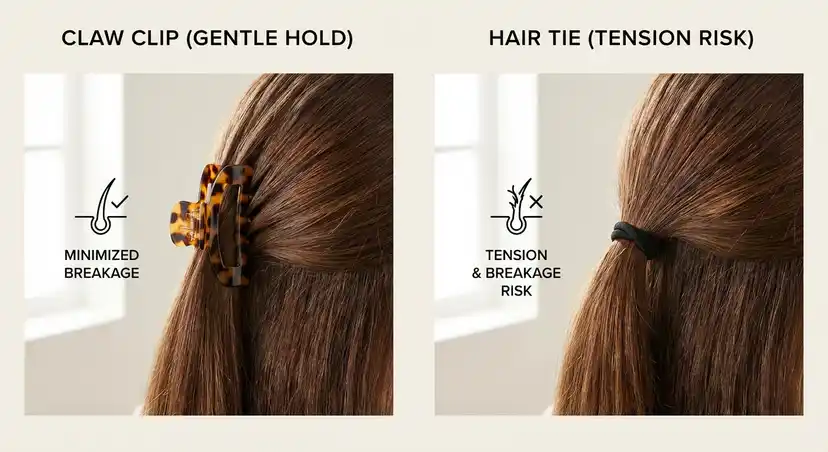
Switch to gentler accessories:
- Claw clips instead of hair ties
- Silk scrunchies if ties needed
- Quality smooth clips only
- Appropriate sizing
See best claw clips for damaged hair for recommendations.
Change your technique:
- Loose styling only
- Rotate positions daily
- Take hair down when possible
- Gentle removal always
See how to use a claw clip without damaging your hair.
Eliminate problem accessories:
- Discard rough or damaged clips
- No more rubber bands
- Retire anything that causes breakage
- Audit entire collection
See safe vs. damaging hair clips: how to tell.
Phase 2: Assess the Damage
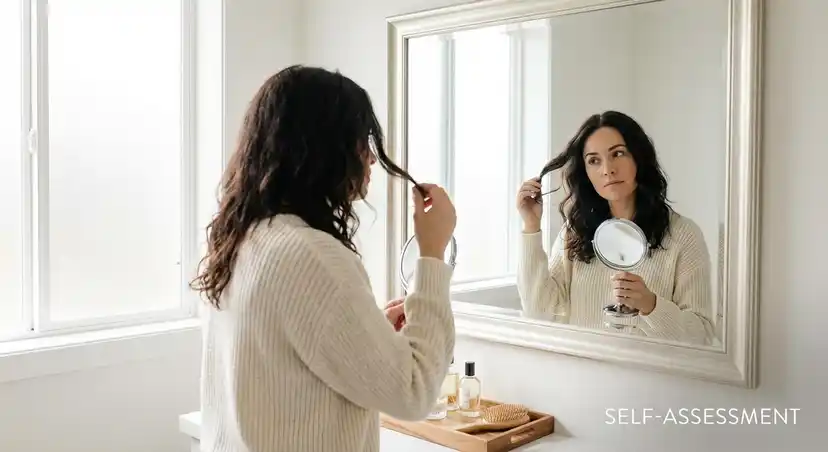
Understanding what you're working with helps set realistic expectations.
Damage Levels
Mild Damage:
- Some breakage, primarily at styling points
- Hair still has shine and elasticity
- Damage localized, not throughout
- Recovery: 1-3 months with changed habits
Moderate Damage:
- Significant breakage visible
- Hair feels rough, tangles easily
- Noticeable thinning at damaged areas
- Recovery: 3-6 months
Severe Damage:
- Extensive breakage throughout
- Hair feels straw-like, no elasticity
- Visible thinning, possibly bald areas
- Recovery: 6-12+ months (may need cutting)
The Elasticity Test
Wet a strand, gently stretch it:
- Healthy: Stretches and returns to shape
- Damaged: Stretches and doesn't return, or breaks
The Porosity Test
Drop a strand in water:
- Normal porosity: Floats, then slowly sinks
- High porosity (damaged): Sinks quickly (cuticle is damaged, absorbs water)
Phase 3: Strengthen Existing Hair
While you can't heal damaged hair, you can make it stronger and more resistant to further breakage.
Protein Treatments
Damaged hair has depleted keratin proteins. Protein treatments temporarily fill these gaps.
Research shows: Applying keratin proteins to chemically damaged hair increased diameter by up to 49%, and mechanical strength of bleached hair nearly doubled after a single treatment.
How often: Every 4-6 weeks for damaged hair
What to look for: Hydrolyzed keratin, silk protein, wheat protein, collagen
Important: Always follow with moisture. Protein without moisture makes hair brittle.
Bond Builders
Products like Olaplex work differently—they reconnect broken bonds within the hair shaft.
How they help:
- Penetrate deeper than surface treatments
- Reconnect broken disulfide bonds
- Longer-lasting strengthening
- Reduce breakage significantly
How to use: Follow product instructions. Some are professional treatments; others are at-home versions.
Deep Conditioning
Damaged hair needs moisture to maintain flexibility:
Weekly deep conditioning:
- Use masks with moisturizing ingredients
- Leave on 10-30 minutes
- Consider heat activation (warm towel)
- Rinse thoroughly
Beneficial ingredients:
- Argan oil
- Coconut oil
- Shea butter
- Aloe vera
- Glycerin
Leave-In Protection
Daily protection between treatments:
- Light serums or oils
- Heat protectant (if using any heat)
- Detangling spray
- UV protection products
Phase 4: Support New Growth
Healthy new hair requires healthy conditions.
Scalp Health
New growth starts at the scalp:
Gentle cleansing: Don't over-wash (strips oils), but don't under-wash (causes buildup)
Scalp massage: Increases blood flow, supports follicle health
Avoid buildup: Clarify periodically to remove product accumulation
Don't irritate: Avoid scratching, harsh products, extreme temperatures
Nutrition
Hair is made of protein and requires nutrients:
Protein: Adequate dietary protein supports keratin production
Iron: Deficiency can cause hair loss
Biotin: Supports hair growth (though deficiency is rare)
Vitamin D: Plays role in hair follicle cycling
Omega-3s: Support scalp health
Consider blood work if loss is significant—nutritional deficiencies may be a factor.
Minimize Other Stressors
While recovering from accessory damage, reduce other hair stressors:
- Limit heat styling: Additional damage slows recovery
- Avoid chemical treatments: Wait until hair is stronger
- Protect from sun: UV degrades hair proteins
- Use soft water if possible: Hard water minerals can damage
Phase 5: The Waiting Game
Ultimately, recovery means growing out damage. This takes time.
Hair Growth Rate
Average: About ½ inch per month (6 inches per year)
Factors affecting rate:
- Genetics (primary factor)
- Age (slows with age)
- Health status
- Nutrition
- Scalp health
Timeline Expectations
| Starting Damage | Time to See Improvement | Time for Significant Recovery |
|---|---|---|
| Mild | 2-4 weeks | 1-3 months |
| Moderate | 1-2 months | 3-6 months |
| Severe | 2-3 months | 6-12+ months |
Managing During Recovery
Trimming strategy:
- Regular dustings (tiny trims) prevent splits from traveling
- Remove the most damaged sections
- Balance length retention with damage removal
- Every 8-12 weeks is typical
Patience practices:
- Take progress photos monthly
- Focus on improving condition, not just length
- Celebrate small wins (less breakage, more shine)
- Remember: time is the primary healer
Special Situations
Recovering from Traction Alopecia
If you've developed traction alopecia (hair loss from tension):
Early stage (non-scarring):
- Stop all tension immediately
- Follicles can recover fully
- May take 3-6 months to see regrowth
- Be extremely gentle during recovery
Advanced stage (scarring):
- Stop tension to prevent further loss
- Scarred follicles won't regrow hair
- Consult dermatologist for options
- Consider medical treatments
For more detail, see traction alopecia from hair accessories.
Recovering from Severe Breakage
If breakage is extreme:
Consider a significant cut:
- Removing damaged sections can feel liberating
- Shorter hair is easier to care for during recovery
- New growth will be healthy from the start
- Not required, but may accelerate apparent recovery
If keeping length:
- Protective styling (loose, gentle)
- Maximum gentleness with remaining hair
- Focus on preventing any new damage
- Accept that some breakage may continue until damaged sections grow out
Recovery with Ongoing Medical Conditions
If hair damage accompanies a medical condition:
- Address the underlying condition first
- Work with healthcare providers
- Adjust expectations—recovery may be slower
- Focus on supporting overall health
Recovery Timeline Summary
| Week | What's Happening | What You Should Notice |
|---|---|---|
| 1-2 | Adjusting habits | Less immediate breakage |
| 3-4 | Strengthening treatments working | Hair feels slightly stronger |
| 5-8 | New growth beginning | Less tangling, less breakage |
| 9-12 | Visible improvement | Noticeably healthier appearance |
| 13+ | Continuing recovery | Progressive improvement as damage grows out |
Signs Recovery Is Working
Positive indicators:
- Less hair in your brush
- Less breakage at former problem spots
- Improved shine
- Better elasticity
- Easier detangling
- More confident styling without fear
If not improving after 2-3 months:
- Re-evaluate: Are you truly avoiding damage?
- Consider: Is there an underlying health issue?
- Possibly: See a dermatologist or trichologist
FAQ
How long until my hair is fully recovered?
Depends on damage severity and hair length. Mild damage: 1-3 months. Severe damage in long hair: a year or more. "Full recovery" means all damaged sections have grown out and been trimmed away.
Can I style my hair while recovering?
Yes, but gently. Use the best clips, loosest techniques, and rotate positions. The goal is styling without adding new damage.
Will protein treatments fix my hair?
They'll strengthen it, but not "fix" it in the sense of undoing damage. Think of them as supportive—they help hair survive until healthy growth replaces damaged sections.
Should I cut off all the damaged hair?
Not necessarily. If damage is severe and you're comfortable with shorter hair, cutting can help. If you want to maintain length, focus on protection and gradual trimming. There's no wrong answer—choose what works for your life.
My hair was damaged years ago—can it still recover?
If the damaged sections still exist (on long hair), they won't improve—but new growth since then should be healthy if you've changed habits. If you're still seeing damage, the cause may be ongoing rather than historical.
Related Articles
- The Complete Guide to Pain-Free Hair Styling
- Scalp Pain After Wearing Hair Clips
- Best Claw Clips for Sensitive Scalps
- The Complete Guide to Protecting Your Hair from Damage
- Traction Alopecia from Hair Accessories
- Best Claw Clips for Damaged Hair
- How to Use a Claw Clip Without Damaging Your Hair
- Signs Your Hair Routine Is Causing Damage
- How to Reduce Tension & Pressure When Wearing Clips
- Best No-Damage Claw Clips for Everyday Wear
- Best Breakage-Preventing Claw Clips
- Best Silk & Satin Hair Accessories for Hair Health
- How to Protect Your Hair While You Sleep
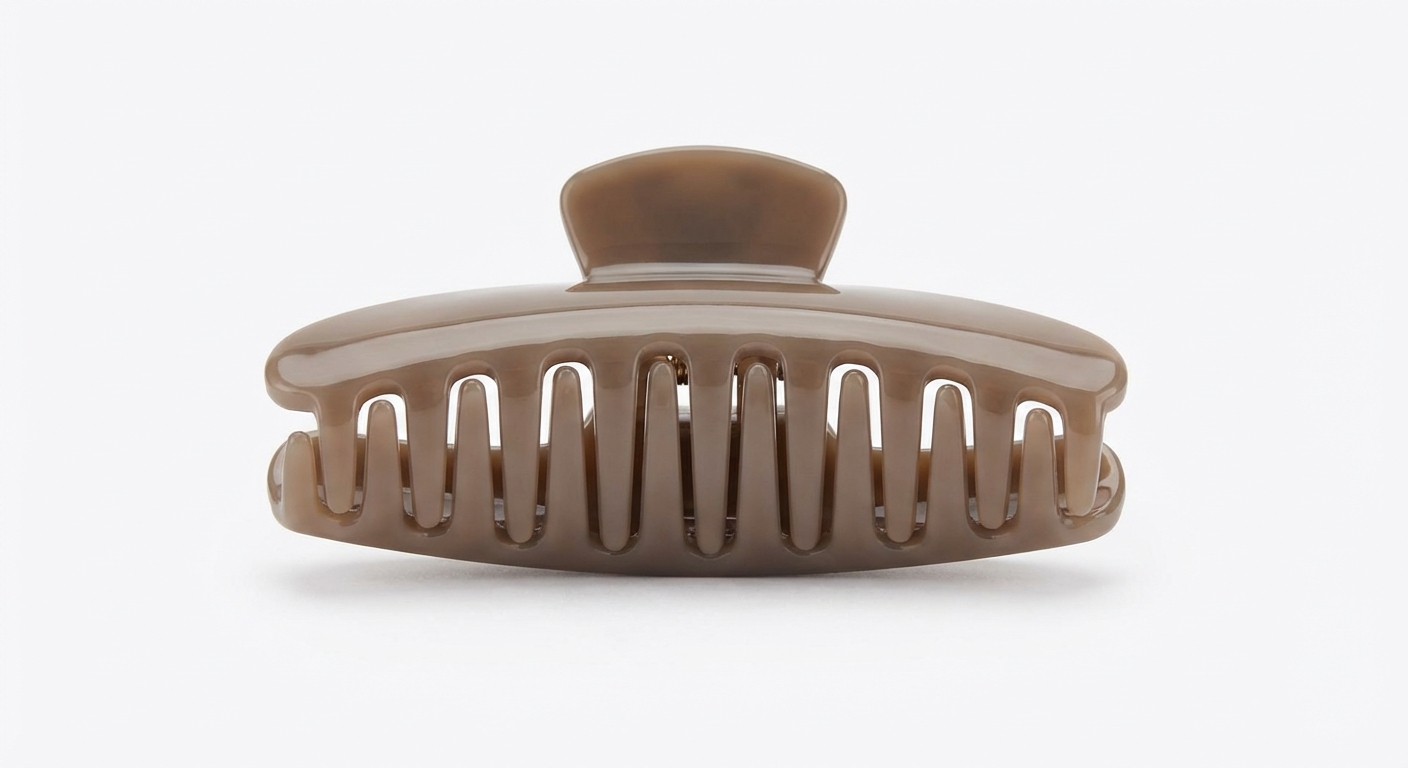
France Luxe Jaw Clip with Double Row Teeth
While recovering from damage, you need clips that won't cause more. Premium acetate is polished smooth with no rough edges.
“Switched to this during recovery and stopped seeing new breakage immediately....”
We tested dozens of claw clips to find the very best options. Below you'll find our complete ranking, with detailed reviews and real customer feedback for each pick.
The Complete Ranking
France Luxe Jaw Clip with Double Row Teeth
“Switched to this during recovery and stopped seeing new brea...” — Verified Buyer
While recovering from damage, you need clips that won't cause more. Premium acetate is polished smooth with no rough edges. Double row distributes grip to protect fragile, recovering hair.
“Switched to this during recovery and stopped seeing new breakage immediately.”
— Verified Buyer
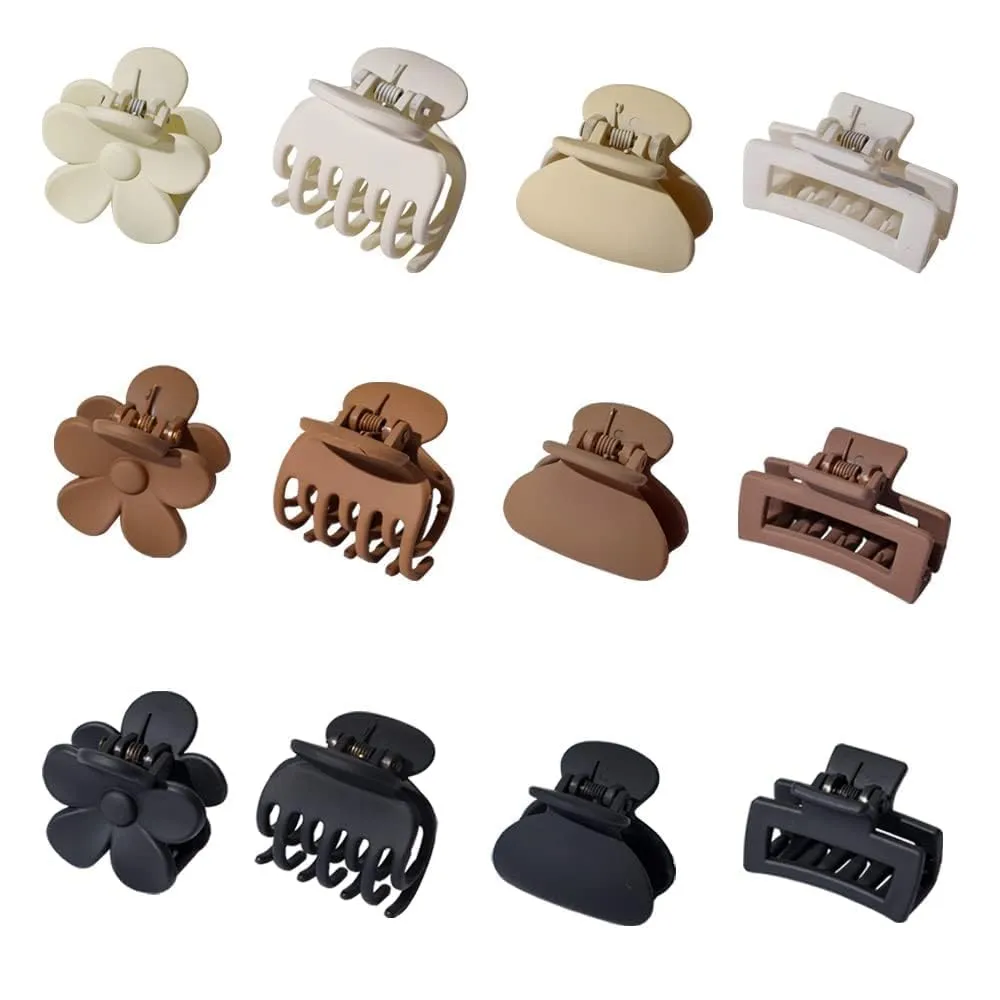
Mini Matte Jaw Clips (12 Pack)
“Gentle enough for my recovering hair. No additional breakage...” — Verified Buyer
Lightweight clips for damaged hair that can't handle heavy styling. Gentle enough for the recovery period when every strand counts. Multiple clips let you rotate positions.
“Gentle enough for my recovering hair. No additional breakage.”
— Verified Buyer
Switched to this during recovery and stopped seeing new breakage immediately.
Quick Comparison
A side-by-side look at our top picks
Frequently Asked Questions
Hair can't heal, but it can improve
Stopping damage is step one
Time is the ultimate healer

Donna Miller
Enjoyed This Guide?
Get more hair tips and product recommendations delivered weekly.