- What Is an External Compression Headache?
- How Hair Clips Trigger Compression Headaches
- How Hair Clips Specifically Create Problems
- Who's Most at Risk
- Immediate Relief: What to Do When It Happens
- Prevention Strategies for Compression-Sensitive Scalps
- Special Considerations for Migraine Sufferers
- FAQ
- Related Articles
External compression headache is a real, medically recognized condition—and your hair clips may be causing it.
If you've ever developed a headache from wearing a claw clip, ponytail, or headband, you've likely experienced external compression headache. It's not imagination, sensitivity, or "being dramatic." It's your nervous system responding to sustained pressure on your scalp.
Understanding this condition helps you prevent it. Here's what medical science tells us about compression headaches from hair accessories—and exactly how to stop them.
For complete prevention strategies, see our complete guide to pain-free hair styling.
What Is an External Compression Headache?
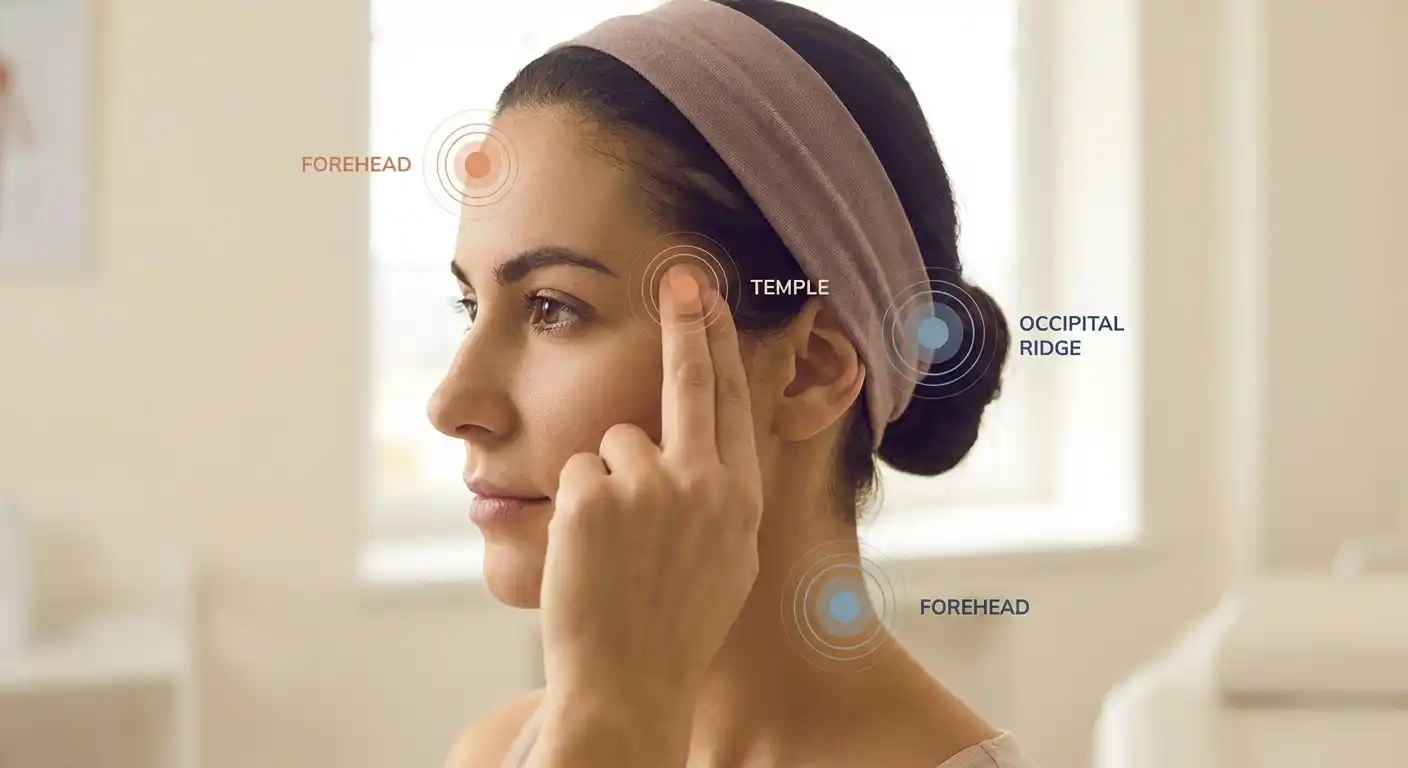
External compression headache is formally classified in the International Classification of Headache Disorders (ICHD-3), published by the International Headache Society. It's defined as a headache caused by "continued stimulation of cutaneous nerves by the application of pressure to the forehead or scalp."
The Official Diagnostic Criteria
According to the ICHD-3, external compression headache is diagnosed when:
- Headache develops within one hour of sustained external compression of the forehead or scalp
- Pain is maximal at the site where compression is applied
- Headache resolves within one hour after external compression is relieved
- Not better accounted for by another headache disorder
This isn't a vague or subjective diagnosis—it's a condition with specific, measurable criteria.
Why "External Compression" Specifically
The term distinguishes this headache from internal causes (like increased brain pressure). "External" means the cause is outside the body—something pressing in from the outside. The compression is external, but the pain is very real.
How Hair Clips Trigger Compression Headaches
The mechanism is straightforward:
Step 1: Pressure Application
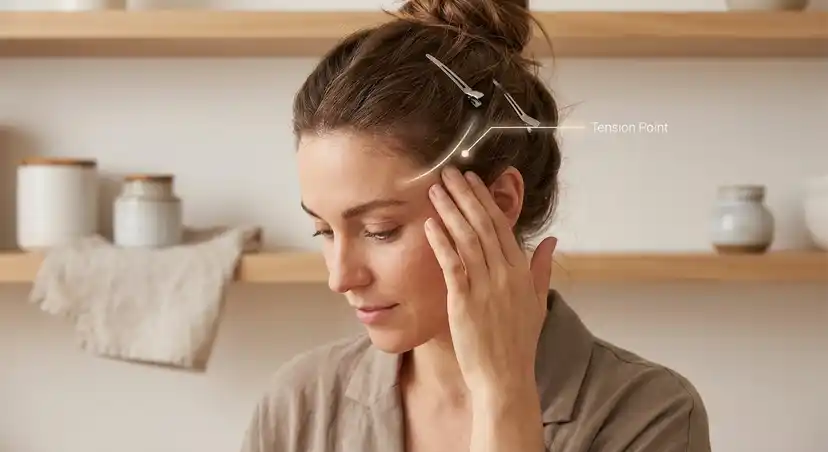
Your clip creates sustained pressure on a specific area of your scalp. This pressure pushes downward through the skin and tissue toward your skull.
Step 2: Nerve Compression
Between your scalp surface and skull lie cutaneous nerves—sensory nerves responsible for scalp sensation. The clip's pressure compresses these nerves against the hard surface of your skull.
Step 3: Nerve Irritation
Compressed nerves don't function normally. Blood flow is restricted. The nerve becomes irritated and inflamed. It begins sending pain signals with increasing intensity.
Step 4: Pain Development
Your brain receives pain signals from the compressed nerve. You experience headache at and around the compression site. The longer compression continues, the more intense the pain becomes.
Step 5: Resolution (With Removal)
Remove the pressure source, and the nerve begins to recover. Blood flow returns. Inflammation subsides. Within an hour (usually less), the headache resolves.
How Hair Clips Specifically Create Problems
Not all headwear creates equal compression. Hair clips have specific features that make them problematic:
Concentrated Pressure Points
A hat distributes weight across your entire head. A claw clip concentrates force in a small area—often just a few square centimeters. This concentrated pressure creates much higher compression per square inch.
Pressure = Force ÷ Area
Less contact area = higher pressure = more nerve compression = more pain.
The Hinge Problem
Most claw clips have a bulky hinge mechanism where the two halves connect. This mechanism often sits against the scalp, creating a hard pressure point where the clip's structural element presses into soft tissue.
Duration Without Notice
You put a clip in your hair and forget about it. Hours pass. The gradual buildup of nerve irritation goes unnoticed until it reaches pain threshold. By then, significant compression has already occurred.
Tight Styling Compounds Pressure
Clips that grip loosely fall out. So people style tightly—adding tension to compression. Now the clip is pressing in while the hair is pulling out. Double stress on the scalp.
Who's Most at Risk
Certain individuals are more susceptible to external compression headaches.
Migraine Sufferers
Research consistently shows migraine sufferers have heightened sensitivity to external stimuli. Their nervous systems are "primed" to respond more intensely to pressure, light, sound, and other sensory input.
For migraine sufferers:
- Lower pressure thresholds trigger pain
- Pain escalates more quickly
- Compression can trigger full migraine attacks, not just localized headaches
- Recovery may take longer
If you have migraines, treat hair clips as potential triggers and err on the side of caution.
Those with Tension Headache History
A history of tension-type headaches suggests scalp and neck muscle sensitivity. These individuals may be more prone to compression-related pain due to already-sensitized neural pathways.
Those with Thin Scalp Tissue
Less tissue between skin and skull means less natural cushioning. Nerves sit closer to the surface. The same pressure that's comfortable for someone with thicker tissue becomes painful for someone with thin scalp tissue.
Those Who Wear Accessories Daily
Daily wear means daily compression. Without breaks, nerves never fully recover between episodes. Cumulative irritation can make scalps increasingly sensitive over time.
Immediate Relief: What to Do When It Happens
When a compression headache strikes:
1. Remove the Pressure Immediately
Take the clip out. Don't try to reposition or adjust—remove it entirely. The sooner you relieve compression, the faster you'll recover.
2. Gently Massage the Area
With clean fingertips:
- Apply gentle pressure to the compression site
- Use small circular motions
- Massage for 2-3 minutes
- This helps restore blood flow and dissipate inflammation
Don't press hard—the area is already irritated.
3. Apply Temperature Therapy
For throbbing pain: Cool compress (cool washcloth, cold pack wrapped in cloth) for 10-15 minutes
For aching pain: Warm compress for 10-15 minutes
Either can help; try both to see what works for you.
4. Over-the-Counter Relief If Needed
For moderate to severe pain:
- Ibuprofen (Advil, Motrin) addresses both pain and inflammation
- Acetaminophen (Tylenol) for pain relief
- Follow package directions
- Avoid frequent use for frequent headaches—see a doctor instead
5. Rest in Low-Stimulation Environment
If possible:
- Dim lights
- Reduce noise
- Avoid screens
- Rest with eyes closed
This helps your nervous system recover, especially if you're migraine-prone.
Expected Recovery Time
Per the ICHD-3 criteria, external compression headaches typically resolve within one hour of removing the pressure source. Many people feel relief within 15-30 minutes.
If your headache persists significantly beyond one hour, other factors may be involved—consult a healthcare provider if this pattern continues.
Prevention Strategies for Compression-Sensitive Scalps
Prevention is far preferable to treatment. Here's how to avoid compression headaches:
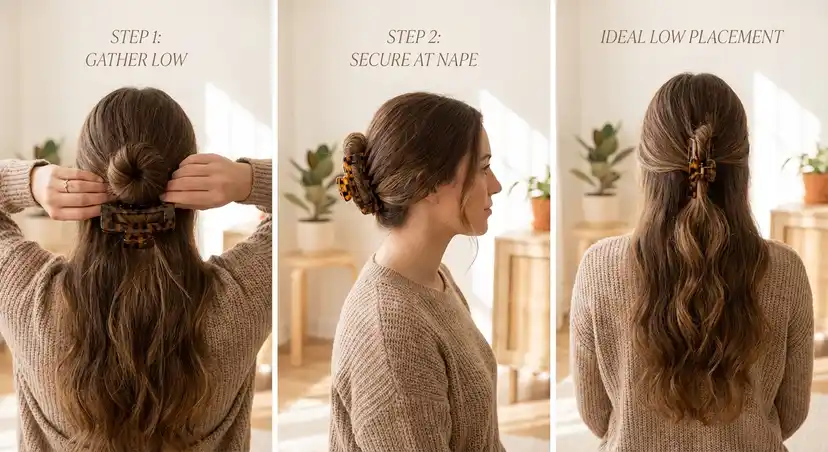
Choose Flat-Back Clips
Flat-back designs eliminate the most common pressure point—the bulky hinge mechanism. Instead of a hard lump pressing into your scalp, the clip lies flat.
Recommended: The TELETIES Flat Round Clip was designed specifically to prevent compression headaches with its completely flat profile.
See our guide: best flat claw clips for driving and reclining.
Go Lightweight
Heavy clips create more compression. Lightweight clips create less. For compression-sensitive scalps, weight matters.
Ultra-light option: Mini Matte Jaw Clips weigh almost nothing and create virtually zero compression.
See: lightweight vs heavy claw clips for comfort.
Choose Lower Positions
Lower positions (nape, behind ears) typically have:
- More tissue cushioning
- Fewer superficial nerves
- Less direct skull contact
See: how to position hair clips to avoid headaches.
Style Looser
Tight styling adds tension to compression. Loose styling reduces overall scalp stress.
See: how to reduce tension from hair clips.
Rotate Positions
Same spot daily = cumulative nerve irritation. Rotate clip position so no single area bears repeated compression.
Limit Wear Duration
If you're prone to compression headaches:
- Aim for maximum 4-hour continuous wear
- Take micro-breaks every 2 hours
- Remove clips when not strictly necessary
Build in Recovery Days
At least one day per week with hair completely down. This allows any subclinical nerve irritation to fully resolve.
Know Your Warning Signs
Pay attention to early signals:
- Awareness of pressure building
- Slight discomfort at clip site
- Beginning of "tightness" sensation
When you notice these, remove or reposition the clip before pain escalates.
Special Considerations for Migraine Sufferers
If you have migraines, take extra precautions:
Avoid Clips During Migraine Phases
During prodrome, attack, or postdrome phases, skip clips entirely. Your nervous system is already stressed—don't add compression.
Use the Gentlest Possible Clips
When you do use clips:
- Choose flat-back designs without exception
- Go as lightweight as possible
- Position very low
- Style very loosely
Have Backup Styles Ready
Keep clip-free styling options available:
- Loose, low braids secured with soft scrunchies
- Hair left down
- Gentle fabric headbands if tolerated
Track Patterns
Note in your migraine diary whether clips seem to trigger or worsen attacks. Some people find clips are safe most days but problematic during vulnerable periods.
Consult Your Doctor
If external compression frequently triggers migraines, discuss this with your neurologist. It may affect your overall migraine management plan.
FAQ
Is external compression headache the same as a migraine?
No. External compression headache is a distinct condition—localized pain caused by pressure, resolving when pressure is removed. However, for migraine sufferers, compression can trigger migraine attacks, which are more severe and complex than simple compression headaches.
Can external compression headaches cause permanent damage?
Not typically. These headaches result from temporary nerve compression and resolve once pressure is removed. However, repeated compression can sensitize nerves over time, potentially making you more prone to headaches.
How do I know if my headache is from clip compression or something else?
External compression headache follows a specific pattern: develops within an hour of applying pressure, is worst at the compression site, and resolves within an hour of removing pressure. If your headache doesn't follow this pattern, other causes may be involved.
Should I see a doctor about clip headaches?
See a doctor if: headaches are severe, don't resolve after removing pressure, occur without hair accessories, are accompanied by other symptoms (vision changes, numbness, weakness), or significantly impact your quality of life.
Can children get external compression headaches from hair clips?
Yes. Children can be particularly susceptible because their scalps may be thinner and nerve pathways still developing. If a child complains of headaches from hair accessories, take it seriously and choose gentler alternatives.
Related Articles
- The Complete Guide to Pain-Free Hair Styling
- Why Do Hair Clips Give Me Headaches?
- Scalp Pain After Wearing Hair Clips
- Best Claw Clips for Sensitive Scalps
- How to Position Hair Clips to Avoid Headaches
- Best Claw Clips for All-Day Comfort
- Best Flat Claw Clips for Driving and Reclining
- How to Reduce Tension from Hair Clips
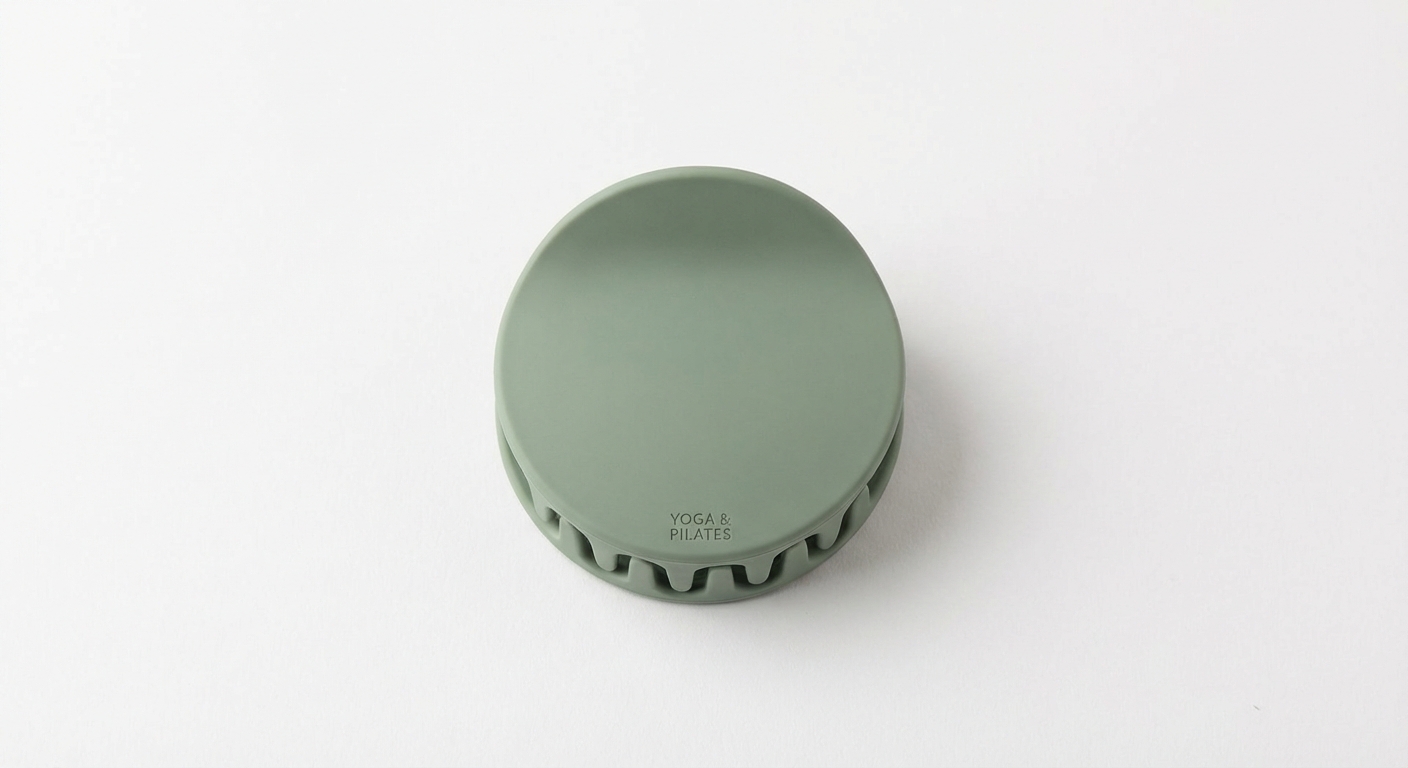
TELETIES Medium Flat Round Clip
Specifically designed to prevent the compression that causes headaches. Flat back creates no pressure points.
“Finally found a clip that doesn't cause compression headaches. Life-changing....”
We tested dozens of claw clips to find the very best options. Below you'll find our complete ranking, with detailed reviews and real customer feedback for each pick.
The Complete Ranking
TELETIES Medium Flat Round Clip
“Finally found a clip that doesn't cause compression headache...” — Verified Buyer
Specifically designed to prevent the compression that causes headaches. Flat back creates no pressure points. The first recommendation for anyone diagnosed with or prone to external compression headaches.
“Finally found a clip that doesn't cause compression headaches. Life-changing.”
— Verified Buyer
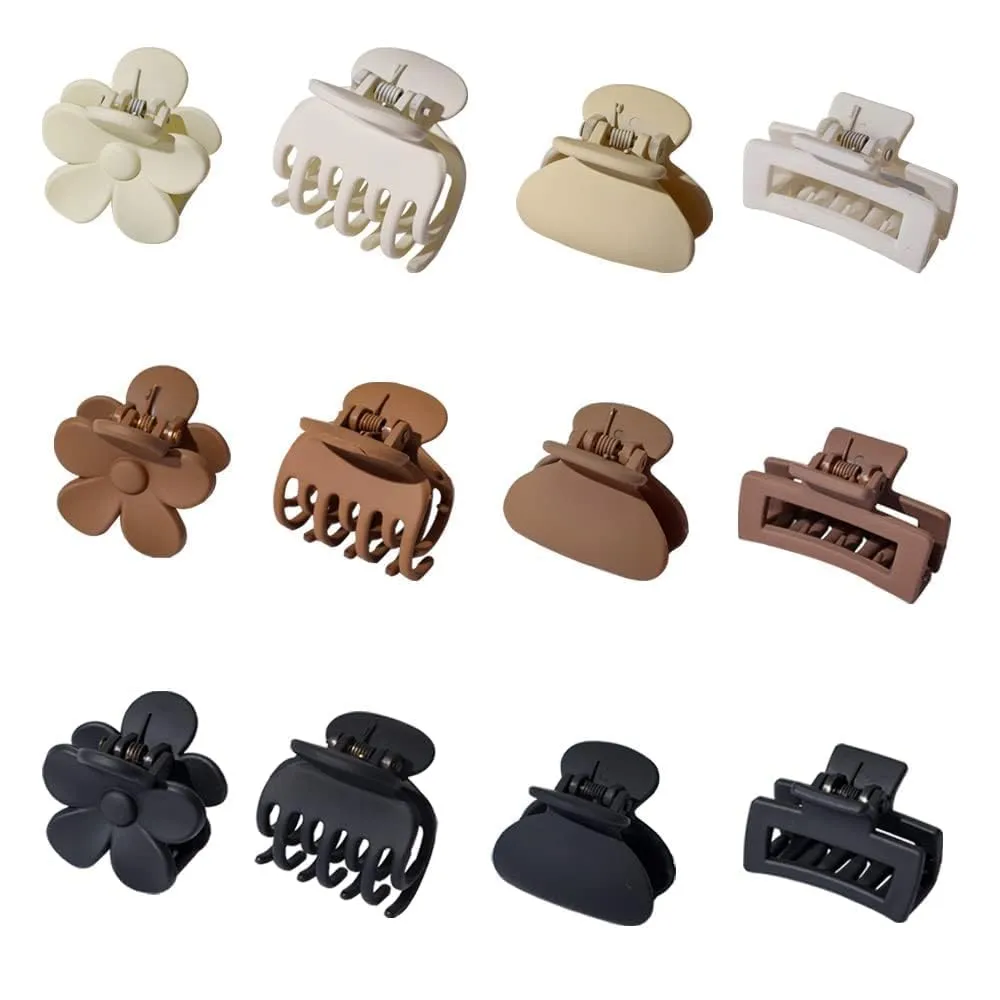
Mini Matte Jaw Clips (12 Pack)
“Light enough that my sensitive nerves don't react. No more c...” — Verified Buyer
So lightweight there's virtually no compression. Perfect for those whose scalps react to any significant pressure. Small clips create small pressure footprints.
“Light enough that my sensitive nerves don't react. No more compression pain.”
— Verified Buyer
Finally found a clip that doesn't cause compression headaches. Life-changing.
Quick Comparison
A side-by-side look at our top picks
Frequently Asked Questions
A real medical condition
It starts slow, then builds
Migraine sufferers beware

Donna Miller
Enjoyed This Guide?
Get more hair tips and product recommendations delivered weekly.