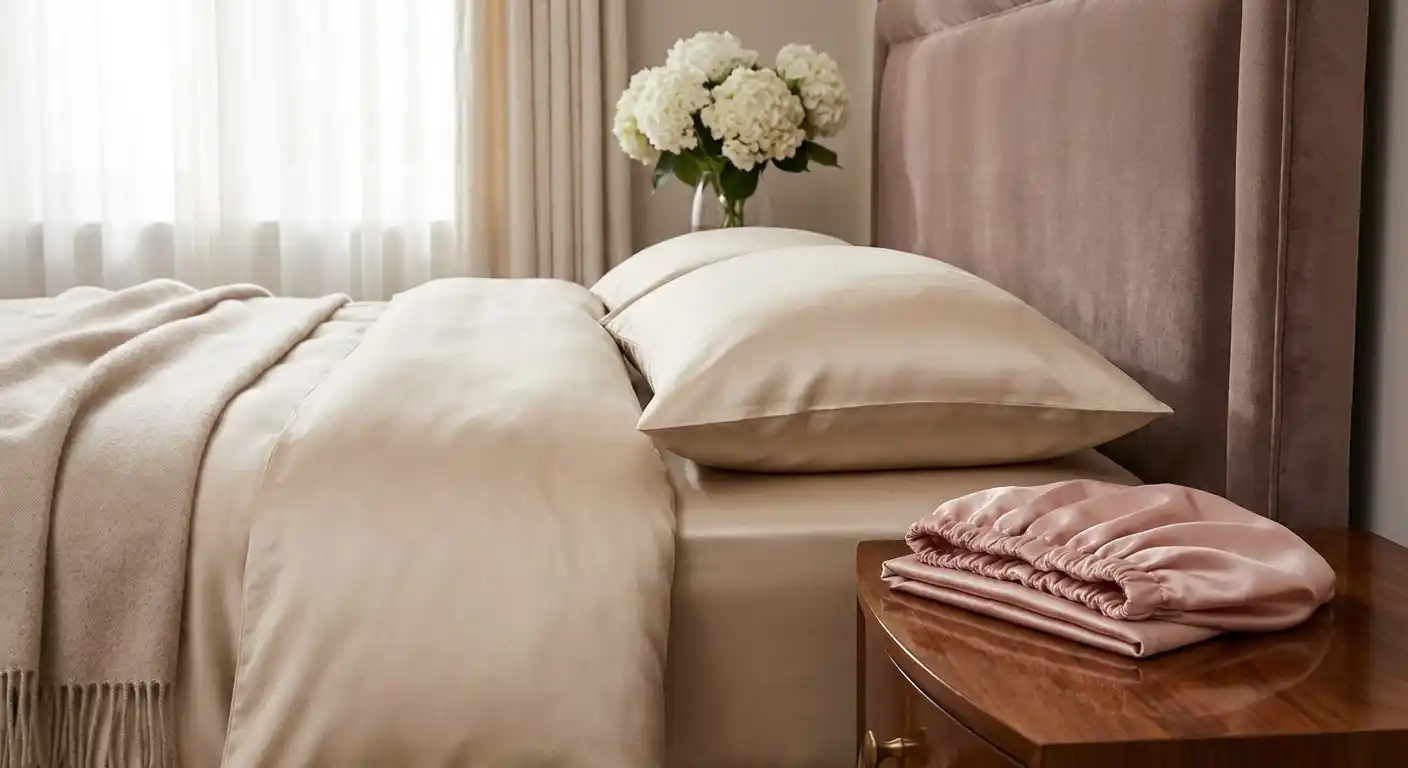
- Why Sleep Matters for Hair Health
- Protection Method 1: Silk Pillowcase
- Protection Method 2: Satin Alternative
- Protection Method 3: Satin Bonnet or Cap
- Protection Method 4: Loose Braid
- Protection Method 5: The "Pineapple" for Curly Hair
- Protection Method 6: Nothing at All
- What NOT to Do Overnight
- The Complete Overnight Routine
- Protection by Hair Type
- Building the Habit
- FAQ
- Related Articles
You spend about 8 hours every night unconsciously damaging your hair—unless you take steps to prevent it.
While you sleep, you toss and turn. Your hair rubs against your pillowcase, creating friction that roughens the cuticle. Strands tangle around each other, then get ripped apart during morning brushing. Any styling you wear can press into your scalp for hours.
The solution isn't complicated: the right sleeping surface, the right protective styling (or none), and a gentle morning routine. This guide covers everything you need for truly restful nights—for you and your hair.
For comprehensive hair protection, see our complete guide to protecting your hair from damage.
Why Sleep Matters for Hair Health
The Friction Problem
Cotton pillowcases create significant friction:
- You shift positions 20-40+ times per night
- Each shift drags hair against fabric
- Friction roughens the hair cuticle
- Roughened cuticles lead to frizz, tangles, and breakage
The science: Laboratory testing shows silk pillowcases reduce hair friction by 34% compared to cotton. That's not a small difference—that's a third less damage every night.
The Tangling Problem
Uncontrolled hair tangles overnight:
- Strands wrap around each other
- Movement tightens tangles
- Morning brushing rips through knots
- Each rip causes damage
The Moisture Problem
Cotton absorbs moisture:
- Hair products get pulled into fabric
- Natural hair oils absorbed
- Hair dries out overnight
- Dry hair is brittle hair
The Pressure Problem
Sleeping on accessories creates issues:
- Clips press into scalp for hours
- Pressure points on hair shaft
- Awkward positions create stress
- Morning reveals creases and damage
Protection Method 1: Silk Pillowcase
The simplest, most passive protection—just change your pillowcase.
Why Silk Works
- Smooth surface: Hair glides instead of catching
- Reduced friction: 34% less than cotton (lab tested)
- Non-absorbent: Doesn't steal moisture from hair
- Temperature regulating: Comfortable year-round
What to Look For
| Feature | Recommended | Why |
|---|---|---|
| Material | 100% mulberry silk | Highest quality |
| Momme weight | 19-25 | Higher = more durable |
| Weave | Charmeuse | Smoothest surface |
| Closure | Envelope or zipper | Stays in place |
Using Silk Pillowcases
- No special technique needed: Just sleep normally
- Hair can be loose: The silk protects against friction
- Or combine with other methods: Silk + loose braid = maximum protection
- Replace when needed: Even silk degrades over time
Silk Pillowcase Limitations
- Higher cost than cotton
- Requires gentle washing
- May shift on pillow during night
- Won't prevent tangling of very long hair
Protection Method 2: Satin Alternative
Satin (polyester) provides similar benefits at lower cost.
Silk vs. Satin
| Factor | Silk | Satin |
|---|---|---|
| Friction reduction | Excellent | Very good |
| Breathability | Excellent | Good |
| Moisture absorption | Low | Low |
| Durability | Good | Better |
| Price | $$-$$$ | $ |
| Sustainability | Better | Petroleum-based |
When to Choose Satin
- Budget is a concern
- You want easier care
- You're testing if the switch helps before investing in silk
- Multiple family members need pillowcases
Protection Method 3: Satin Bonnet or Cap
For maximum protection, especially for textured hair.
How Bonnets Protect
- Encases all hair: Complete friction protection
- Prevents tangling: Hair stays organized
- Maintains styles: Curls, braids, blowouts last longer
- No pillowcase dependence: Works on any surface
Choosing a Bonnet
| Feature | Why It Matters |
|---|---|
| Satin interior | Smooth contact with hair |
| Secure elastic | Stays on during sleep |
| Adjustable | Fits different head sizes |
| Comfortable band | Won't cause headaches |
Bonnet Tips
- Don't wrap too tight: The elastic shouldn't pull on hairline
- Large enough for hair volume: Don't crush styles
- Replace when elastic wears: Loose bonnets don't protect
- Consider multiple: Rotation allows washing
Protection Method 4: Loose Braid
Gentle organization that prevents tangling without creating tension.
The Overnight Braid Technique
- Brush/detangle gently: Remove existing tangles first
- Braid very loosely: No tension at scalp
- Use three sections: Simple is best
- Secure with silk scrunchie: No elastic bands
- Braid only to ends: No pulling through a tie
Critical: Keep It Loose
- The braid is for organization, not styling
- You shouldn't feel any tension
- If you wake with scalp soreness, it's too tight
- Looser is always better for overnight
Don't Braid the Same Way Nightly
- Rotate braid position: Center, left, right
- Vary the height: High, mid, low
- Some nights, don't braid: Give hair a complete break
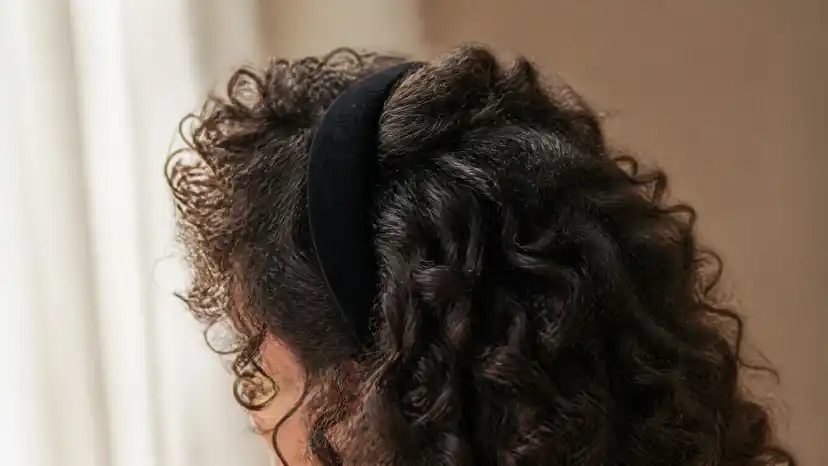
Protection Method 5: The "Pineapple" for Curly Hair
A loose, high gathering that preserves curl patterns.
How to Pineapple
- Flip head forward: Hair falls toward the floor
- Gather at very top of head: At the forehead
- Use silk scrunchie: One loop, very loose
- It should feel barely held: That's correct
- Sleep on silk/satin: Protects loose sections
Why Pineapple Works for Curls
- Keeps curls from crushing under body weight
- Minimal manipulation (preserves pattern)
- No tension pulling on roots
- Combines well with satin bonnet over top
Protection Method 6: Nothing at All
Sometimes the best approach is leaving hair alone.
When to Sleep with Hair Loose
- Hair is short: Doesn't tangle significantly
- On silk/satin surfaces: Friction already reduced
- Hair is healthy: Can handle some friction
- You move less during sleep: Less friction overall
Combining "Nothing" with Surface Protection
Hair loose + silk pillowcase = often sufficient for:
- Straight, medium-length hair
- Hair that doesn't tangle easily
- Those who don't toss and turn much
What NOT to Do Overnight
Don't Sleep in Tight Styles
- Ponytails pull on follicles for 8 hours
- Buns create pressure points
- Tight braids stress the hairline
- Any discomfort indicates damage occurring
Don't Sleep with Clips
Unless using specifically designed flat clips:
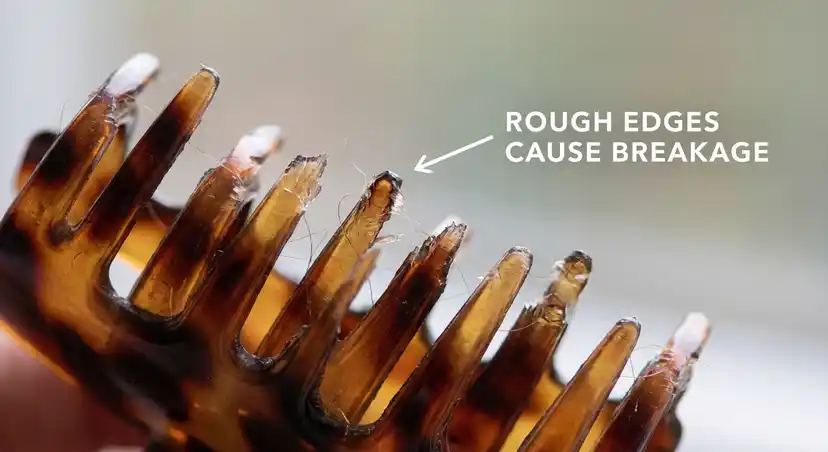
- Standard clips press into scalp
- Metal parts can catch hair
- Awkward positions create stress
- Morning reveals damage
For clip-specific guidance, see how to sleep with a claw clip.
Don't Sleep on Wet Hair While Styled
Wet hair + tension = extra damage:
- Wet hair is weaker
- Stretches under stress
- Breaks more easily
- Style can dry into damaging position
Don't Use Rubber Bands
Ever, but especially overnight:
- Extreme friction
- Impossible to remove gently
- Will cause breakage
The Complete Overnight Routine
Before Bed
- Brush/detangle gently: Wide-tooth comb or wet brush
- Apply night products (optional): Light oil or serum for dry hair
- Style for protection: Loose braid, pineapple, or nothing
- Prepare sleep surface: Silk/satin pillowcase in place
During Night
- Just sleep: The preparation handles protection
- If you wake and feel tension: Adjust or release
- Trust the process: Protection is passive
Morning
- Release gently: Undo braid, pineapple, or bonnet slowly
- Don't brush immediately: Let hair settle
- Apply detangling product: Before any brushing
- Brush from ends up: Never root to tip
- Use appropriate tools: Wide-tooth comb, wet brush
Protection by Hair Type
Straight Hair
- Primary concern: Friction, tangling
- Best methods: Silk pillowcase, loose braid
- Often works fine: Hair loose on silk
Wavy Hair
- Primary concern: Pattern disruption, frizz
- Best methods: Silk/satin surface, loose braid
- Pineapple option: Works if waves are defined
Curly Hair
- Primary concern: Curl pattern, frizz, tangling
- Best methods: Pineapple + bonnet, silk surface
- Critical: Minimal manipulation
Coily/Textured Hair
- Primary concern: Moisture loss, tangling, pattern
- Best methods: Satin bonnet, protective styles
- Essential: Satin or silk surface underneath bonnet
Fine Hair
- Primary concern: Breakage, flat styling
- Best methods: Silk pillowcase, very loose (or no) gathering
- Watch for: Styles that flatten fine hair
Thick Hair
- Primary concern: Weight pulling, tangling
- Best methods: Loose braid, pineapple, bonnet
- Important: Secure containment without tension
Building the Habit
Week 1: Surface Switch
- Get silk or satin pillowcase
- Sleep on it with hair loose
- Notice any difference in morning hair
Week 2: Add Light Protection
- Try loose braid or pineapple
- Keep it very loose
- Observe if tangling decreases
Week 3: Refine and Personalize
- What worked best?
- What was unnecessary?
- Build your sustainable routine
Long-term
- Replace pillowcases as needed
- Rotate protection methods
- Adjust seasonally if needed
FAQ
Will silk pillowcases also help my skin?
Yes. The same friction reduction that helps hair helps skin. Many people notice fewer sleep lines and potentially less facial irritation.
How often should I wash my silk pillowcase?
Every 7-10 days, or when you wash other bedding. Follow the care instructions—usually cold water, gentle cycle or hand wash, no bleach.
Can I use leave-in products before bed?
Yes, but use them sparingly. Light serums and oils are fine. Heavy products may transfer to pillowcase and reduce its smoothness.
I toss and turn a lot—does protection still work?
Yes, but you may benefit from more secure methods (bonnet rather than just pillowcase). The protection methods work during movement—that's the point.
Should children use overnight protection?
Silk/satin pillowcases are fine for any age. Bonnets can be used if the child tolerates them. Braids should be very loose for children's developing hairlines.
My partner uses a different pillow—do I need my own?
Yes, ideally. Using a silk pillowcase means your pillow has silk, regardless of your partner's setup.
Related Articles
- The Complete Guide to Protecting Your Hair from Damage
- How to Sleep with a Claw Clip: Protective Overnight Styles
- Best Silk & Satin Hair Accessories for Hair Health
- How to Use a Claw Clip Without Damaging Your Hair
- Signs Your Hair Routine Is Causing Damage
- Best No-Damage Claw Clips for Everyday Wear
- Best Claw Clips for Damaged Hair
- How to Reduce Tension & Pressure When Wearing Clips
- How to Recover from Hair Accessory Damage
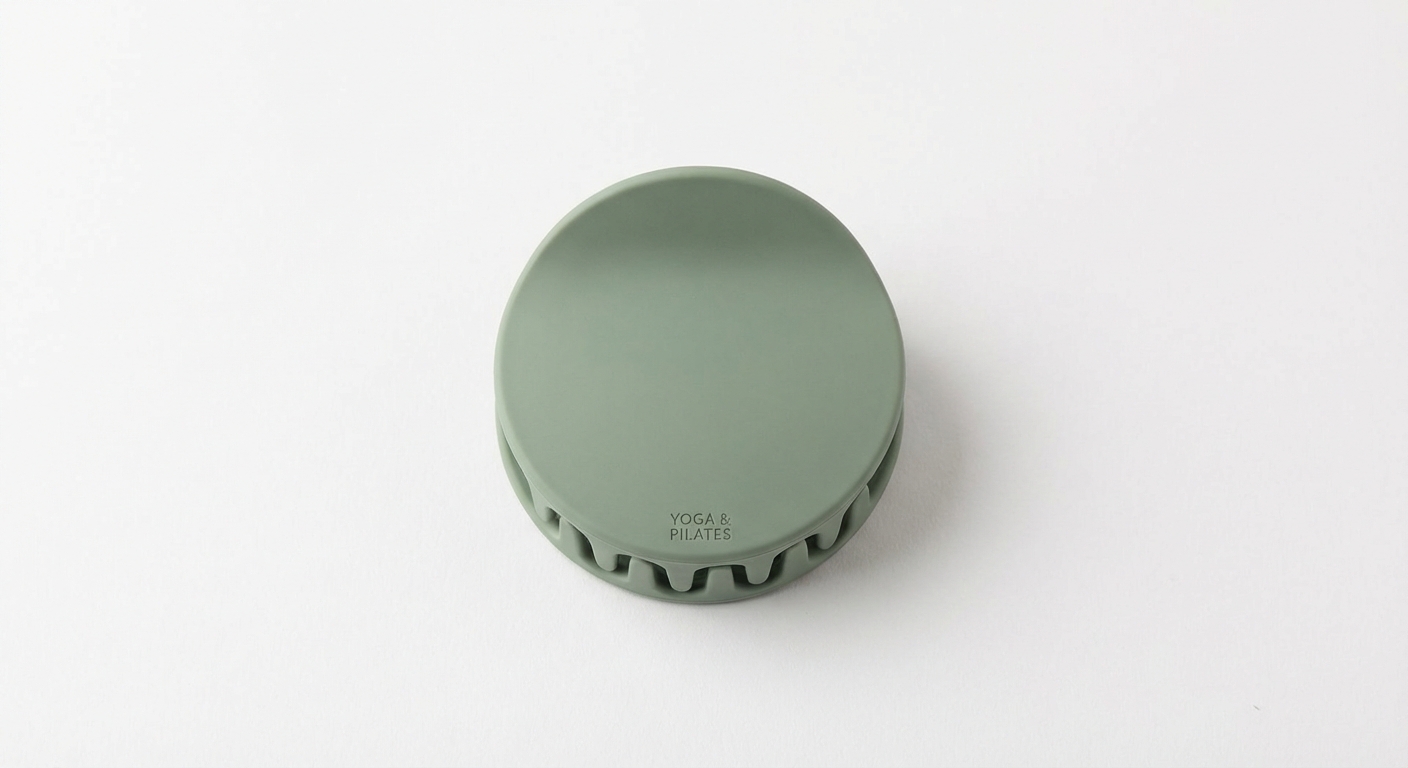
TELETIES Medium Flat Round Clip
The only clip design comfortable enough for overnight use. Flat back means no pressure when you roll over.
“Finally a clip I can actually sleep in! No poking or discomfort....”
We tested dozens of claw clips to find the very best options. Below you'll find our complete ranking, with detailed reviews and real customer feedback for each pick.
The Complete Ranking
TELETIES Medium Flat Round Clip
“Finally a clip I can actually sleep in! No poking or discomf...” — Verified Buyer
The only clip design comfortable enough for overnight use. Flat back means no pressure when you roll over. Bendable teeth stay gentle while you sleep.
“Finally a clip I can actually sleep in! No poking or discomfort.”
— Verified Buyer
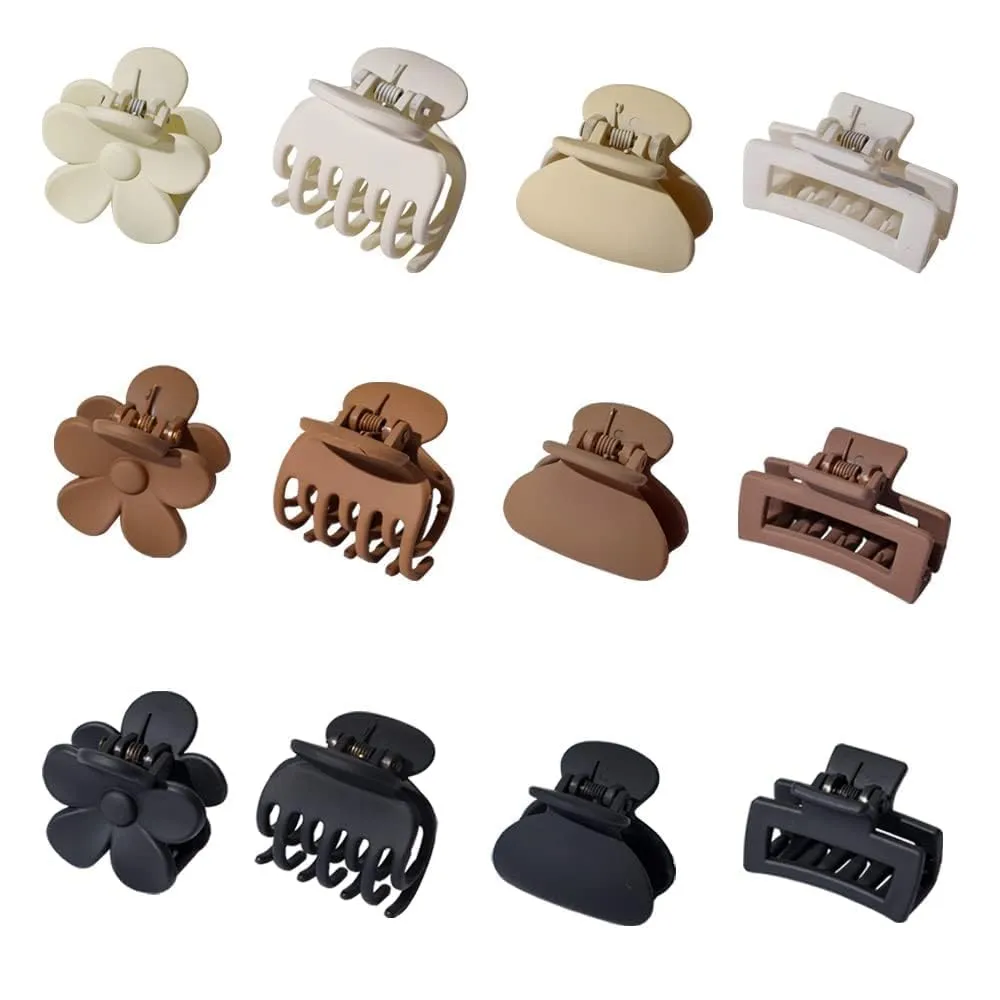
Mini Matte Jaw Clips (12 Pack)
“Perfect for the pineapple technique. Lightweight and comfort...” — Verified Buyer
Lightweight and gentle for overnight pineapple styles. Small enough to position at the crown without discomfort. Matte finish prevents slipping during sleep.
“Perfect for the pineapple technique. Lightweight and comfortable all night.”
— Verified Buyer
Finally a clip I can actually sleep in! No poking or discomfort.
Quick Comparison
A side-by-side look at our top picks
Frequently Asked Questions
One-third of your life happens in bed
Silk reduces friction by 34%
What you don't do matters too

Donna Miller
Enjoyed This Guide?
Get more hair tips and product recommendations delivered weekly.