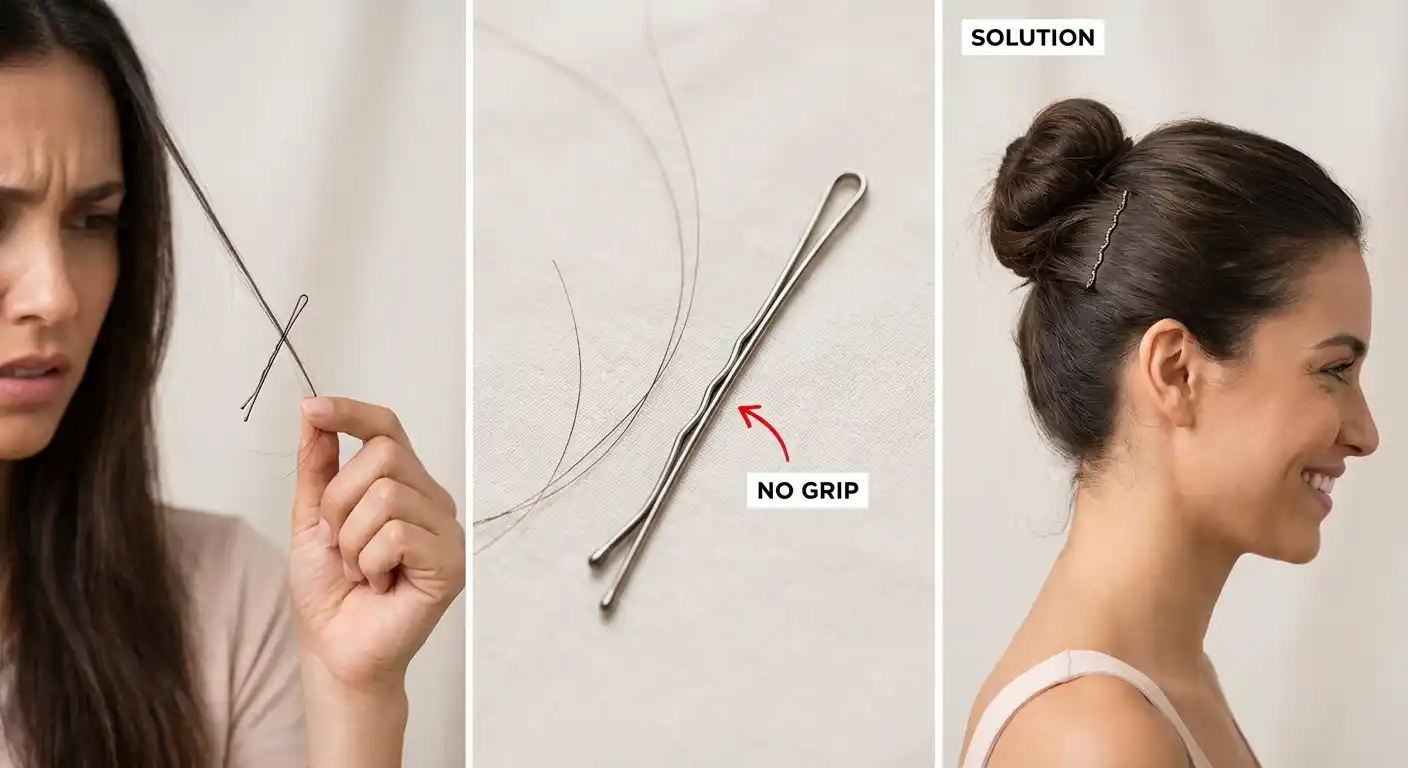
- Problem 1: You're Using Them Upside Down
- Problem 2: You're Opening Pins Too Wide
- Problem 3: Wrong Size for Your Hair
- Problem 4: Freshly Washed Hair
- Problem 5: Smooth-Coated Pins on Fine Hair
- Problem 6: Wrong Pin Direction
- Problem 7: Not Enough Pins
- Problem 8: Pins Not Fully Inserted
- Problem 9: Worn-Out Pins
- Problem 10: Fighting Your Hair Type
- Quick Diagnostic Checklist
- The Compound Fix
- When to Try Alternatives
- FAQs
- The Bottom Line
You've inserted six bobby pins, and within an hour, your style is falling apart. Sound familiar? Bobby pin failure is frustrating because it seems random. Sometimes they hold, sometimes they don't.
But bobby pins don't fail randomly. There are specific reasons they slide out, and specific fixes for each problem. This guide covers the 10 most common causes of bobby pin failure and exactly how to fix them.
For general bobby pin information, see our ultimate guide to bobby pins. For detailed insertion techniques, check how to use bobby pins: 15 essential techniques.
Problem 1: You're Using Them Upside Down
The Most Common Mistake
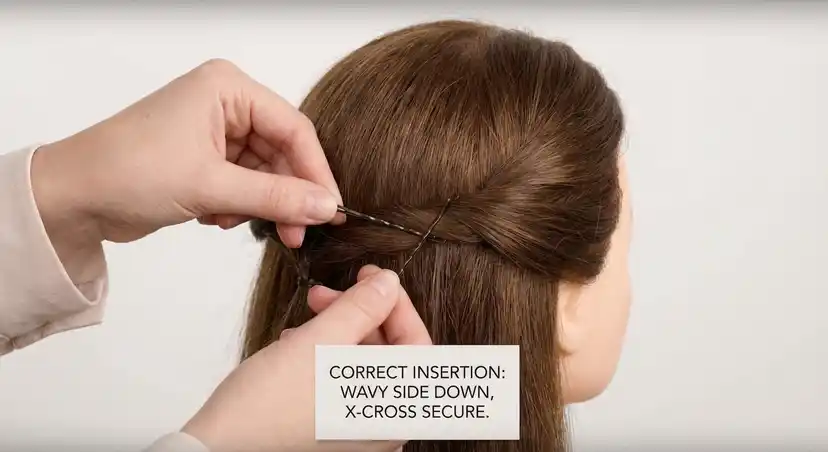
Look at a bobby pin. One side is straight and flat. The other side has waves or crimps. Most people insert pins with the wavy side facing outward, visible in the finished style.
This is upside down.
Why It's Wrong
The wavy side is designed to grip hair against your scalp. When the waves face out, they grip air instead of hair. You lose approximately half the pin's holding power.
The Fix
Always insert pins with the wavy side facing your scalp.
- Wavy/crimped side: Toward head
- Flat/smooth side: Facing outward
This single change often solves the problem entirely.
How to Remember
Think: "Bumpy side down." The bumps (waves) press into your hair and scalp for grip.
Problem 2: You're Opening Pins Too Wide
The Spring-Weakening Habit
Watch how most people use bobby pins: they open the prongs wide apart before inserting. This seems logical, like you're creating space for hair.
Why It's Wrong
Bobby pins are designed to slide into hair while staying mostly closed. Opening them wide:
- Weakens the spring with each use
- Reduces closing tension
- Eventually ruins the pin
Metal springs have a fatigue limit. Bend them repeatedly, and they lose their ability to return to closed position.
The Fix
Insert without opening.
Slide the pin into hair keeping the prongs close together. Let the pin's natural tension part the hair as you push. The resistance you feel is correct. The pin should grip immediately upon full insertion.
If You Must Open
For very thick hair, a slight opening may be necessary. But:
- Open minimally
- Don't spread prongs more than needed
- Consider jumbo pins instead of forcing standard pins
Problem 3: Wrong Size for Your Hair
The Mismatch Problem
A 2-inch pin designed for average hair can't handle thick hair volume. A jumbo pin overwhelms fine hair. Using the wrong size sets you up for failure.
Size Guidelines
| Hair Type | Recommended Size |
|---|---|
| Fine, thin | Mini (1.5") |
| Average | Standard (2") |
| Thick | Large/Jumbo (2.5-3.4") |
The Fix
Match pin size to hair type.
- Thick hair slipping? Try jumbo pins. See best bobby pins for thick hair.
- Thin hair showing pins? Try mini pins. See best bobby pins for thin hair.
Wrong size is especially common when people use whatever pins are available rather than choosing pins for their specific hair type.
Problem 4: Freshly Washed Hair
The Slippery Problem
Clean hair is smooth hair. Without natural oils or product buildup, strands slide against each other and against bobby pins. This is why the same pins that hold perfectly one day fail the next.
Why Clean Hair Won't Hold
- Natural oils add texture and grip
- Product buildup creates friction
- Clean, conditioned hair is at its smoothest
The Fix
Add texture before pinning.
Option 1: Dry Shampoo Apply at roots before styling. Creates instant grip.
Option 2: Texturizing Spray Mist throughout hair, scrunch, let set before pinning.
Option 3: Light Hairspray Spray sections before pinning, not just after.
Option 4: Wait a Day Style on day-two hair when possible for events.
See best bobby pins for fine hair for more texture tips.
Problem 5: Smooth-Coated Pins on Fine Hair
The Friction Problem
Standard bobby pins have smooth enamel coatings. This is fine for most hair types, but fine or slippery hair needs more friction.
Why Smooth Pins Slip
Fine hair strands slide through smooth-coated pins like silk through fingers. There's nothing to catch or grip. The pin and hair are both smooth surfaces with no friction between them.
The Fix
Use grip-coated pins.
Look for pins labeled:
- "No-slip grip"
- "Textured coating"
- "Matte finish"
- "Flocked"
These coatings create friction that helps pins hold fine or slippery hair. See best bobby pins for fine hair for specific recommendations.
Problem 6: Wrong Pin Direction
The Angle Problem
Pins inserted straight up, straight down, or perpendicular to the direction of hair movement are fighting physics. They'll work loose as hair naturally moves.
Why Direction Matters
Hair has a direction of movement in any style. Pins that oppose this movement are constantly under stress. Pins that align with movement get pulled on less.
The Fix
Point pins in the direction of the style.
- Hair going up into an updo? Point pins upward.
- Hair swept to the side? Angle pins toward that side.
- Hair pulled back? Point pins back toward the nape.
The pin should support the hair's direction, not fight against it.
Problem 7: Not Enough Pins
The Insufficient Support Problem
Trying to secure a style with too few pins puts excessive stress on each pin. When one fails, the others follow because they were already at capacity.
How Many Pins You Actually Need
| Style | Minimum Pins |
|---|---|
| Half-up twist | 2-4 |
| Simple bun | 4-8 |
| French twist | 8-15 |
| Elaborate updo | 15-25+ |
Thick hair needs more. Fine hair may need fewer.
The Fix
Use more pins than you think necessary.
- Add pins at stress points
- Double up at the heaviest sections
- It's easier to remove extras than watch the style collapse
The Counter-Point
More pins is only the answer if the pins are correct (right side down, right size, grip coating if needed). More wrong pins won't solve wrong-pin problems.
Problem 8: Pins Not Fully Inserted
The Partial Grip Problem
Pins sticking out, with the bend visible rather than flush against the head, are only gripping with part of their length. Less grip surface means less hold.
Why Full Insertion Matters
The entire length of the pin's prongs should be in your hair. The bend (curved closed end) should rest against your scalp. This gives maximum grip surface and prevents the pin from working loose.
The Fix
Push until the bend is flush.
- Insert the pin
- Push until you feel the bend touch your head
- If it won't go further, reposition and try again
- No part of the pin except possibly the very end should stick out
If Pins Won't Go In
If pins consistently won't insert fully:
- Hair may be too thick at that spot (section smaller)
- You may be hitting the scalp at an awkward angle (adjust approach)
- The spot may not have enough hair to grip (find a better location)
Problem 9: Worn-Out Pins
The Old Pin Problem
Bobby pins don't last forever. The spring weakens, coating chips, and eventually they stop working properly. But because pins are cheap, people rarely consider replacing them.
Signs of Worn Pins
| Sign | What It Means |
|---|---|
| Prongs don't spring back together | Spring is fatigued |
| Coating is chipped or missing | Rust risk, snag risk |
| Pins feel loose when closed | Lost tension |
| Visible rust | Definitely time to replace |
| Bent or misshapen | Won't grip properly |
The Fix
Replace regularly.
- Drugstore pins: Replace every few weeks with heavy use
- Professional pins: Last months to years
- When in doubt, start fresh
Quality Investment
Better quality pins last much longer. Spending $15 on professional-grade pins that last a year beats spending $5 monthly on drugstore pins that wear out. See best premium bobby pin brands.
Problem 10: Fighting Your Hair Type
The Wrong Approach Problem
Sometimes the problem isn't the pins. It's trying to force a style that doesn't work with your hair type, or using techniques designed for different hair.
Hair Type Realities
| Hair Type | Special Needs |
|---|---|
| Fine | Grip coating, texture first |
| Thick | Jumbo pins, stronger springs |
| Curly | Ball tips, pin at roots not through curls |
| Thin | Mini pins, color-matched, strategic placement |
The Fix
Work with your hair, not against it.
- Fine hair: Accept you need grip-coated pins and texture products
- Thick hair: Accept you need jumbo pins, not more standard pins
- Curly hair: Pin at roots, use ball-tip pins
- Thin hair: Use fewer pins placed strategically
Hair-type-specific guides:
- Best bobby pins for thick hair
- Best bobby pins for thin hair
- Best bobby pins for fine hair
- Best bobby pins for curly hair
Quick Diagnostic Checklist
Go through this list to identify your specific problem:
| Check | If Yes | Fix |
|---|---|---|
| Are you inserting wavy side out? | Very common | Flip the pin, wavy side toward scalp |
| Are you opening pins wide first? | Common | Stop opening, insert while closed |
| Is your hair freshly washed? | Likely | Add texture (dry shampoo, spray) |
| Are pins standard size but hair is thick? | Possible | Switch to jumbo pins |
| Are pins sticking out when placed? | Common | Push until bend is flush |
| Are pins more than a few months old? | Check | Replace with fresh pins |
| Is coating smooth and hair fine? | Check | Try grip-coated pins |
| Are pins pointing opposite to hair direction? | Check | Angle pins with the style |
The Compound Fix
Often, multiple issues combine. A person might be:
- Using pins upside down (50% grip loss)
- On freshly washed hair (slippery)
- With wrong size pins (can't handle volume)
- That are old and worn out (weak spring)
Fix all the issues, not just one. When someone says "bobby pins never work for me," it's usually multiple problems combining.
When to Try Alternatives
Sometimes bobby pins aren't the best tool:
Consider Spin Pins If...
- You're doing buns primarily
- You hate dealing with many pins
- You have thick hair See spin pins vs bobby pins.
Consider Claw Clips If...
- You want faster styling
- You need a casual everyday option
- Bobby pins never seem to work for you See bobby pins vs claw clips.
Consider U-Pins (Hair Pins) If...
- You're anchoring buns
- Bobby pins slide out of twisted sections See bobby pins vs hair pins.
FAQs
Why do my bobby pins slide out even when I use them correctly?
If orientation and technique are correct, check: hair texture (add product if too slippery), pin quality (replace old pins), pin type (need grip coating?), and pin size (match to hair type). Usually it's a combination.
How do I keep bobby pins in thick hair?
Use jumbo pins (2.5"+ length), ensure wavy side faces scalp, don't open pins wide, use the X-cross technique at stress points, and use more pins at heavy sections. See best bobby pins for thick hair.
Why do bobby pins work better on second-day hair?
Natural oils and slight product buildup add texture that gives pins something to grip. Freshly washed hair is too smooth. Add dry shampoo or texturizing spray to clean hair for similar effect.
How many bobby pins should I use?
Depends on style: simple styles need 2-4, moderate styles need 6-12, elaborate updos need 15-25+. Thick hair needs more, fine hair may need fewer. Better to use more quality pins than to underpin.
Do expensive bobby pins actually work better?
Yes, especially if you have fine or thick hair, or use pins daily. Professional and premium pins have better grip coatings, stronger springs, and last much longer. The difference is noticeable.
Can hairspray help bobby pins stay in?
Yes. Spray sections before pinning (creates texture), and spray the finished style (sets everything in place). Some people also spray pins themselves before inserting.
Why do bobby pins hurt my head?
Pins shouldn't hurt. Causes: pressing into scalp at bad angle, too many pins creating pressure, sensitive scalp, or bent/damaged pins with sharp edges. Adjust placement, reduce quantity, or replace damaged pins.
The Bottom Line
Bobby pins don't fail randomly. The most common causes:
- Upside down (wavy side should face scalp)
- Opening too wide (weakens spring)
- Wrong size (match to hair type)
- Too-clean hair (add texture)
- Smooth coating on fine hair (need grip coating)
- Wrong direction (point with the style)
- Not enough pins (especially at stress points)
- Partial insertion (push until flush)
- Worn-out pins (replace regularly)
- Fighting hair type (work with your hair)
Fix these issues systematically, and bobby pins suddenly work like they're supposed to. The problem usually isn't you. It's technique and pin selection.
For complete bobby pin mastery, see our ultimate guide to bobby pins and how to use bobby pins: 15 essential techniques.
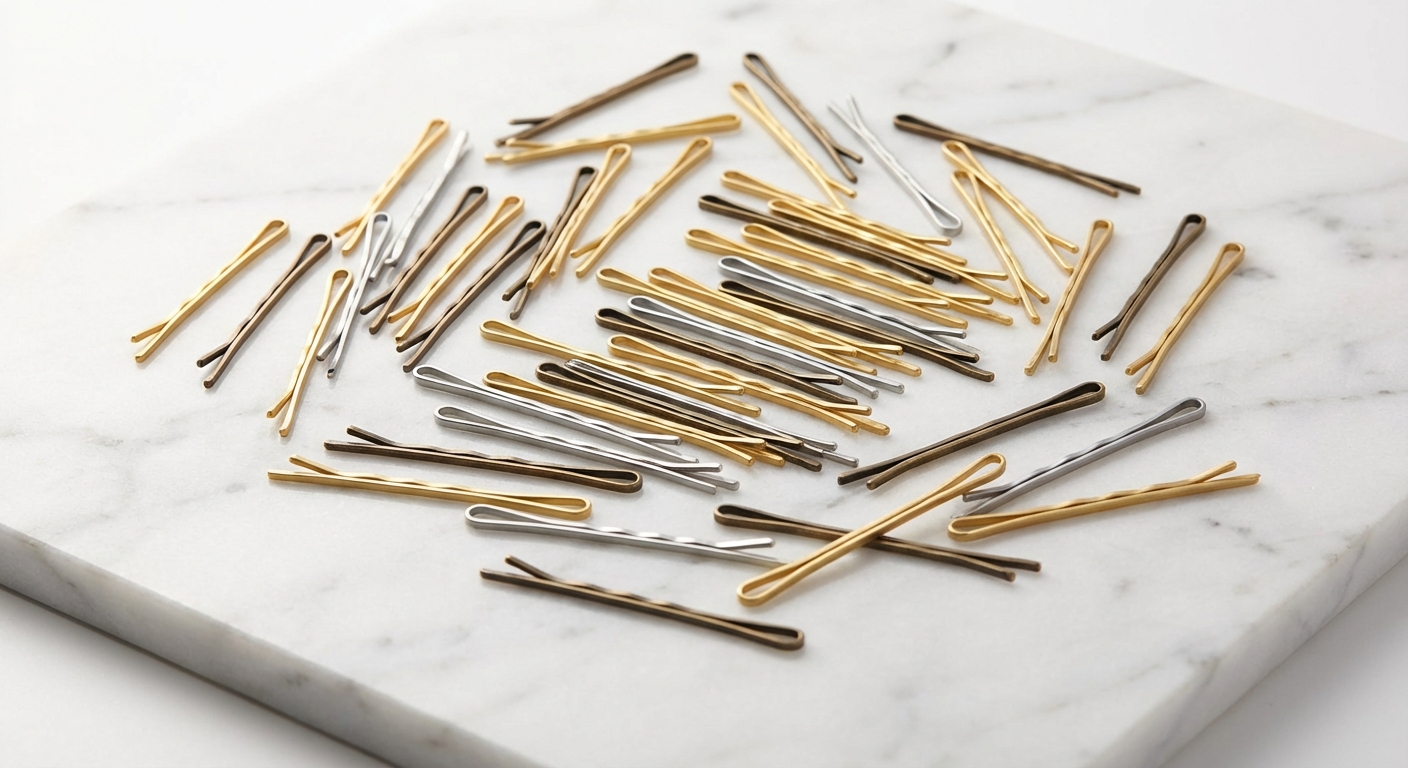
MetaGrip Premium Bobby Pins (100 Pack)
If your pins keep falling out, the textured grip coating provides the friction you need. Professional-grade hold that solves the falling-out problem.
“These actually stay in! The grip coating makes all the difference....”
We tested dozens of claw clips to find the very best options. Below you'll find our complete ranking, with detailed reviews and real customer feedback for each pick.
The Complete Ranking
MetaGrip Premium Bobby Pins (100 Pack)
“These actually stay in! The grip coating makes all the diffe...” — Verified Buyer
If your pins keep falling out, the textured grip coating provides the friction you need. Professional-grade hold that solves the falling-out problem.
“These actually stay in! The grip coating makes all the difference.”
— Verified Buyer
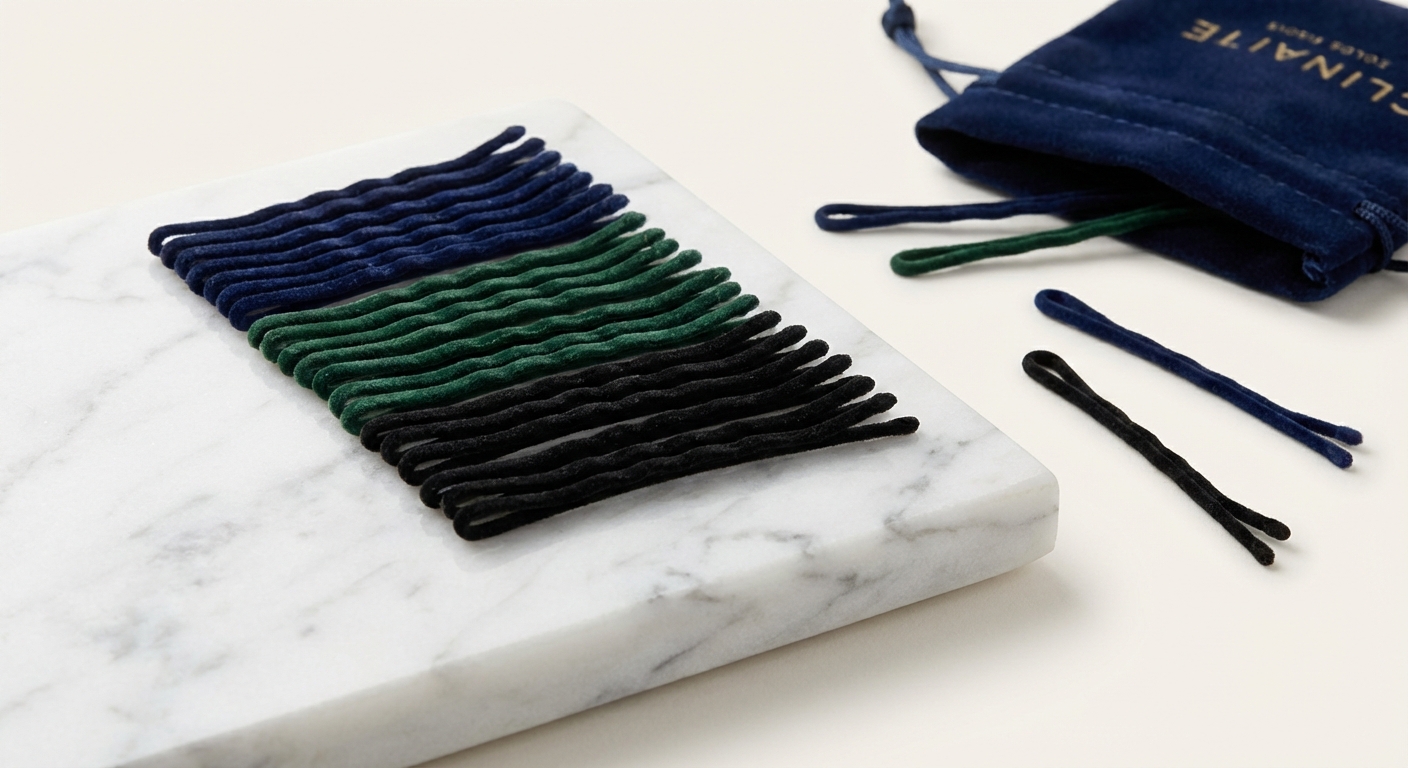
Frenchies Ultra Flocked Bobby Pins (20 Pack)
“Finally pins that don't slip out of my silky hair!...” — Verified Buyer
If standard pins slip out of your smooth or slippery hair, the flocked velvet texture creates superior friction that actually holds.
“Finally pins that don't slip out of my silky hair!”
— Verified Buyer
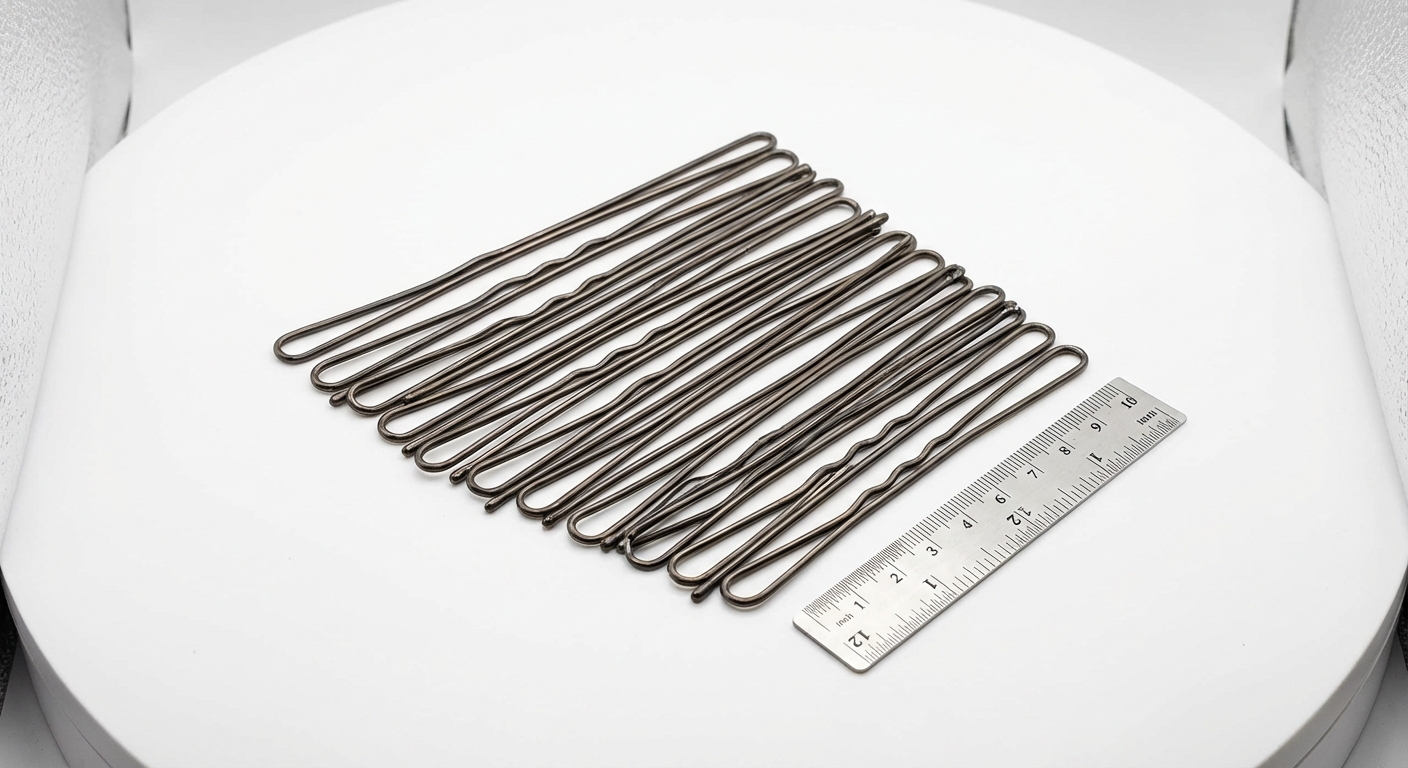
MORGLES 3.15 Inch Jumbo Bobby Pins (100 Pack)
“Standard pins always fell out of my thick hair. These actual...” — Verified Buyer
If standard pins fall out because they can't handle your thick hair, jumbo pins grip more hair with stronger springs.
“Standard pins always fell out of my thick hair. These actually hold.”
— Verified Buyer
These actually stay in! The grip coating makes all the difference.
Quick Comparison
A side-by-side look at our top picks
Frequently Asked Questions
The Orientation Error
The Opening Mistake
The Hair Factor

Donna Miller
Enjoyed This Guide?
Get more hair tips and product recommendations delivered weekly.