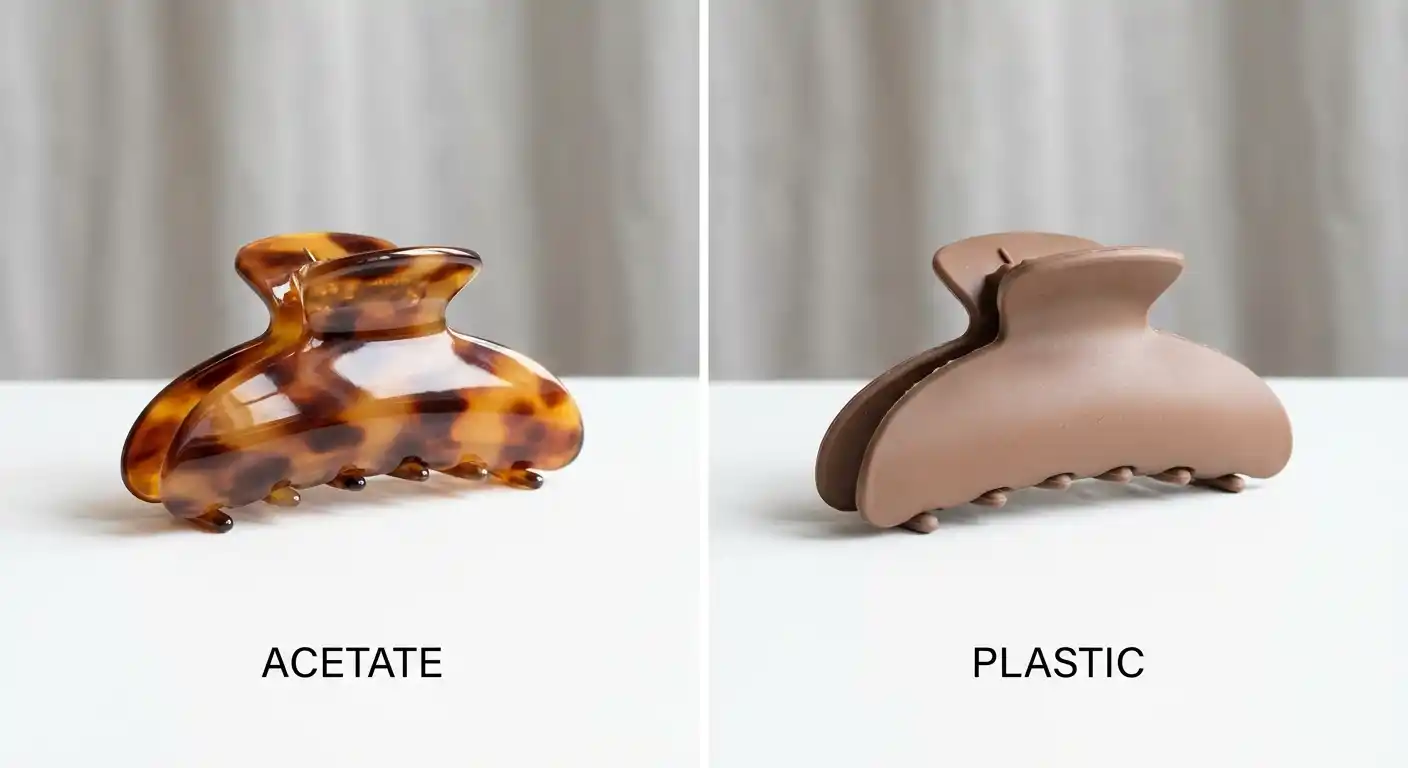
Not all claw clips are created equal—and the material makes a bigger difference than most people realize.
Acetate and plastic clips look similar from a distance. They both hold hair, come in various sizes, and fit similar price ranges (though acetate trends higher). But when it comes to hair health, they're quite different.
This guide breaks down exactly how acetate and plastic differ for hair safety, helping you decide which is right for your needs and budget.
For comprehensive hair protection, see our complete guide to protecting your hair from damage.
The Quick Answer
For hair health, acetate is generally safer. Its naturally smooth, polished surface won't catch on hair like degraded plastic can. Its smooth edges and slight flexibility also reduce pressure points.
But quality plastic can be perfectly fine. The key is buying well-made clips and replacing them before they degrade.
What Is Cellulose Acetate?
Cellulose acetate is a plant-based material derived from wood pulp and cotton fibers. Despite sounding synthetic, it's actually a natural, renewable material.
Key properties:
- Plant-based origin (wood pulp + cotton)
- Naturally smooth surface
- Biodegradable (unlike petroleum-based plastic)
- Can be polished to exceptional smoothness
- Flexible and moldable
- Doesn't become brittle over time
Acetate is the material of choice for premium hair accessory brands like France Luxe, MACHETE, and high-end eyeglass frames—applications where smooth surfaces matter.
What Is "Plastic" in Hair Clips?
"Plastic" typically means petroleum-based synthetic polymers. Different types include:
ABS plastic: Common in budget clips, can become brittle Polycarbonate: More durable, used in mid-range clips Acrylic: Can crack, popular for decorative clips Various blends: Quality varies wildly
The problem isn't plastic itself—it's how it's manufactured and how it ages.
Hair Health Comparison
Smoothness
Acetate: Polished until exceptionally smooth. The polishing process creates a surface that won't catch or snag hair. This smoothness is inherent to the material and maintained over years of use.
Plastic: Quality varies dramatically. Well-made plastic clips can start smooth, but the surface may degrade. Cheap plastic often has micro-roughness from manufacturing.
Winner: Acetate (consistent, maintained smoothness)
Degradation Over Time
Acetate: Remains smooth and flexible for years. Maintains its polished finish and doesn't become brittle or develop sharp edges over time.
Plastic: Can degrade over time:
- Becomes brittle, especially with sun exposure
- Can develop micro-cracks
- Surface roughens with wear
- May break into sharp pieces
Winner: Acetate (ages well instead of degrading)
Pressure Distribution
Acetate: Slightly flexible compared to rigid plastics. This means fewer hard pressure points pressing into your scalp. The natural give helps distribute pressure more evenly.
Plastic: Typically rigid. Creates specific contact points that don't adapt to individual head shapes. Can cause discomfort during extended wear and pressure-related stress on hair.
Winner: Acetate (adaptive, distributed pressure)
Manufacturing Quality
Acetate clips: Generally made by brands focused on quality. The material is more expensive, so manufacturers tend to put more care into construction. Edges are typically polished, springs are quality metal.
Plastic clips: Quality ranges from excellent to terrible. Budget plastic clips may have:
- Rough molding seams
- Sharp edges not smoothed
- Misaligned teeth
- Weak springs
Winner: Varies (but acetate averages higher quality)
Environmental Impact
Acetate: Biodegradable, made from renewable plant sources. More environmentally friendly than petroleum plastic.
Plastic: Petroleum-based, not biodegradable, contributes to plastic pollution.
Winner: Acetate (sustainability advantage)
Price
Acetate: Typically $20-60+ for quality clips
Plastic: Can be under $1 to $20+
Winner: Plastic (if budget is the only concern)
Side-by-Side Summary
| Factor | Acetate | Plastic |
|---|---|---|
| Surface smoothness | Excellent, maintained | Variable, degrades |
| Longevity | Years | Months to years |
| Pressure distribution | Molds to head | Fixed, rigid |
| Breakage potential | Very low | Low to moderate |
| Manufacturing quality | Consistently high | Highly variable |
| Environmental impact | Biodegradable | Polluting |
| Price range | $20-60+ | $1-20 |
When Acetate Is Worth the Investment
Choose acetate if:
- You have damaged, fragile, or fine hair
- You wear clips daily for extended periods
- You've experienced clip-related breakage before
- You want one clip that lasts years
- You have a sensitive scalp
- Environmental impact matters to you
- You can invest more upfront
Recommended acetate clips: See best claw clips for damaged hair and best breakage-preventing claw clips.
When Plastic Is a Reasonable Choice
Choose plastic if:
- Budget is a significant constraint
- You need many clips (multiple locations, colors)
- Your hair is healthy and tolerates accessories well
- You're willing to inspect and replace clips regularly
- You want variety over investment pieces
- You're trying different styles before investing
Quality plastic recommendations: See best no-damage claw clips for everyday wear.
Making Plastic Clips Work Safely
If you choose plastic clips, these practices minimize damage:
1. Buy Quality Over Cheap
Avoid the cheapest options. Mid-range plastic clips with good reviews are safer than dollar-store options.
2. Inspect Before First Use
Run your finger along all teeth and edges. Any roughness = return or discard.
3. Regular Inspection
Every week or two, check for:
- Developed roughness
- Cracks or chips
- Loose teeth
- Changed spring tension
4. Replace Proactively
Replace plastic clips before they cause damage:
- At first sign of roughness
- After 3-6 months of regular use
- After any visible damage
5. Store Carefully
- Don't toss loose in bags (creates scratches)
- Keep out of direct sunlight (accelerates degradation)
- Store in a way that protects surfaces
How to Identify Acetate Clips
Acetate isn't always clearly labeled. Identification clues:
Indicators of acetate:
- Listed as "cellulose acetate" in materials
- Premium price point ($20+)
- Brand known for quality (France Luxe, MACHETE)
- Feels slightly warm rather than cold
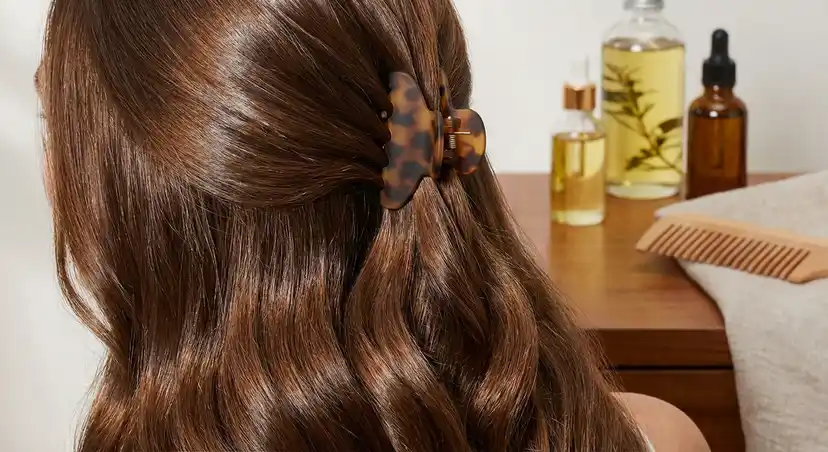
- Translucent quality patterns (tortoiseshell, marble)
- Description mentions "plant-based" or "sustainable"
Indicators of plastic:
- Very low price
- Feels cold and hard
- Uniform solid colors
- No material specification
- "Acrylic" or "resin" labels
FAQ
Can I tell acetate from plastic by looking?
Sometimes. Acetate often has a richer, more translucent appearance—you can see depth in tortoiseshell patterns. Plastic tends to look more uniform and "printed." But some plastics imitate acetate well. Price and brand are more reliable indicators.
Is acetate worth 5x the price?
For hair health, often yes. An acetate clip lasting 5 years versus plastic clips replaced annually ends up similar in cost—while protecting your hair better the entire time.
My plastic clips feel fine—should I worry?
If they're smooth and your hair isn't breaking, no immediate concern. But inspect them regularly. Degradation happens gradually and you may not notice until damage has occurred.
Are all expensive clips acetate?
No. Some expensive clips are acrylic or other materials. Check the material listing, not just the price.
Do acetate clips work for all hair types?
Yes. Acetate's benefits (smoothness, flexibility) apply regardless of hair type. The specific clip size and design should match your hair, but the material is universally gentle.
Where should I buy acetate clips?
Reputable sources include:
- France Luxe (made in France, known for quality)
- MACHETE (Italian acetate, premium construction)
- L. Erickson (quality acetate options)
- Amazon (verify brand and material listing)
See Emi Jay vs. Machete vs. Teleties for brand comparisons.
Related Articles
- The Complete Guide to Pain-Free Hair Styling
- Best Claw Clips for Sensitive Scalps
- Best Flexible Claw Clips
- The Complete Guide to Protecting Your Hair from Damage
- Best Breakage-Preventing Claw Clips
- Safe vs. Damaging Hair Clips: How to Tell
- Best Claw Clips for Damaged Hair
- Why Your Hair Clip Might Be Breaking Your Hair
- Best No-Damage Claw Clips for Everyday Wear
- Best Gentle Claw Clips for Thinning Hair
- How to Use a Claw Clip Without Damaging Your Hair
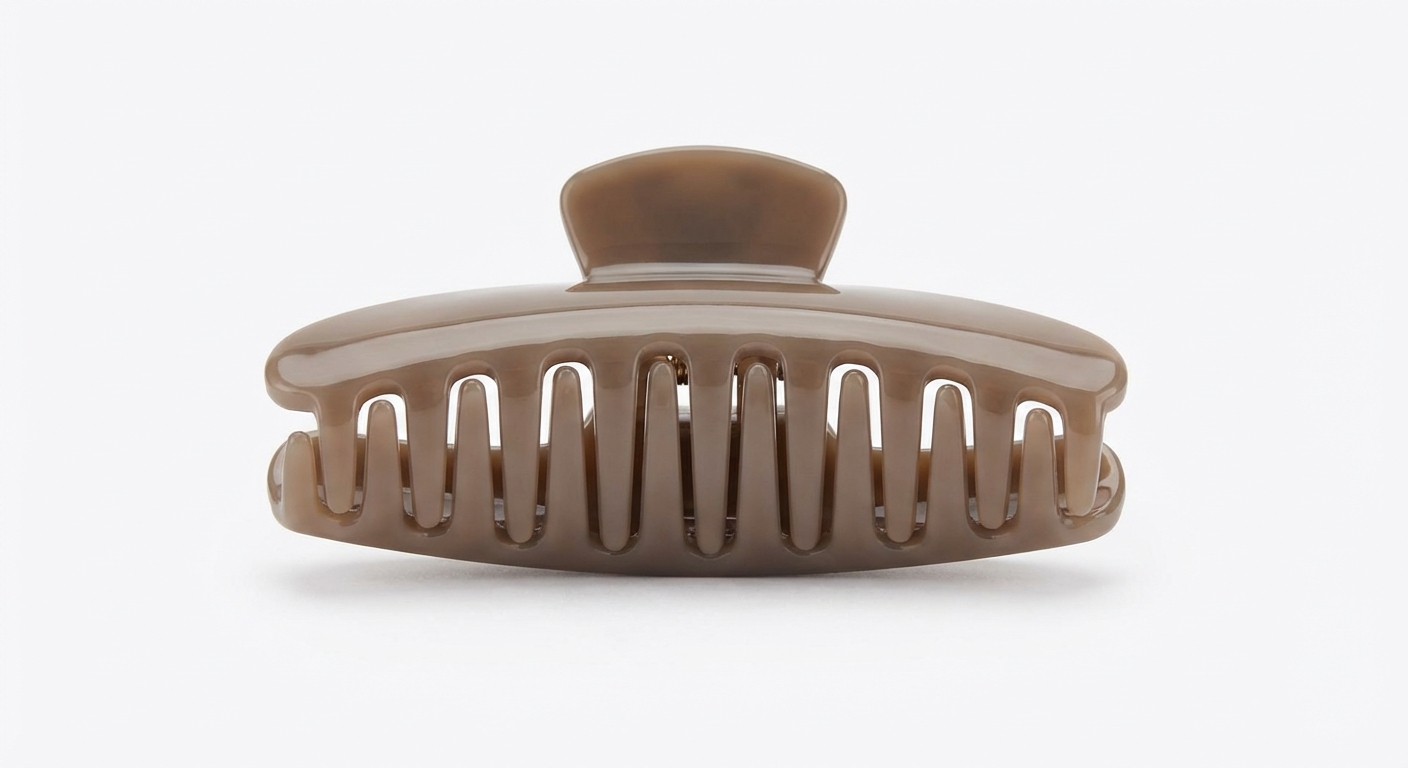
France Luxe Jaw Clip with Double Row Teeth
Quality cellulose acetate that demonstrates the premium difference. Polished smooth and won't develop rough edges over time.
“You can feel the quality difference from plastic. So smooth on my hair....”
We tested dozens of claw clips to find the very best options. Below you'll find our complete ranking, with detailed reviews and real customer feedback for each pick.
The Complete Ranking
France Luxe Jaw Clip with Double Row Teeth
“You can feel the quality difference from plastic. So smooth ...” — Verified Buyer
Quality cellulose acetate that demonstrates the premium difference. Polished smooth and won't develop rough edges over time. The benchmark for gentle acetate clips.
“You can feel the quality difference from plastic. So smooth on my hair.”
— Verified Buyer
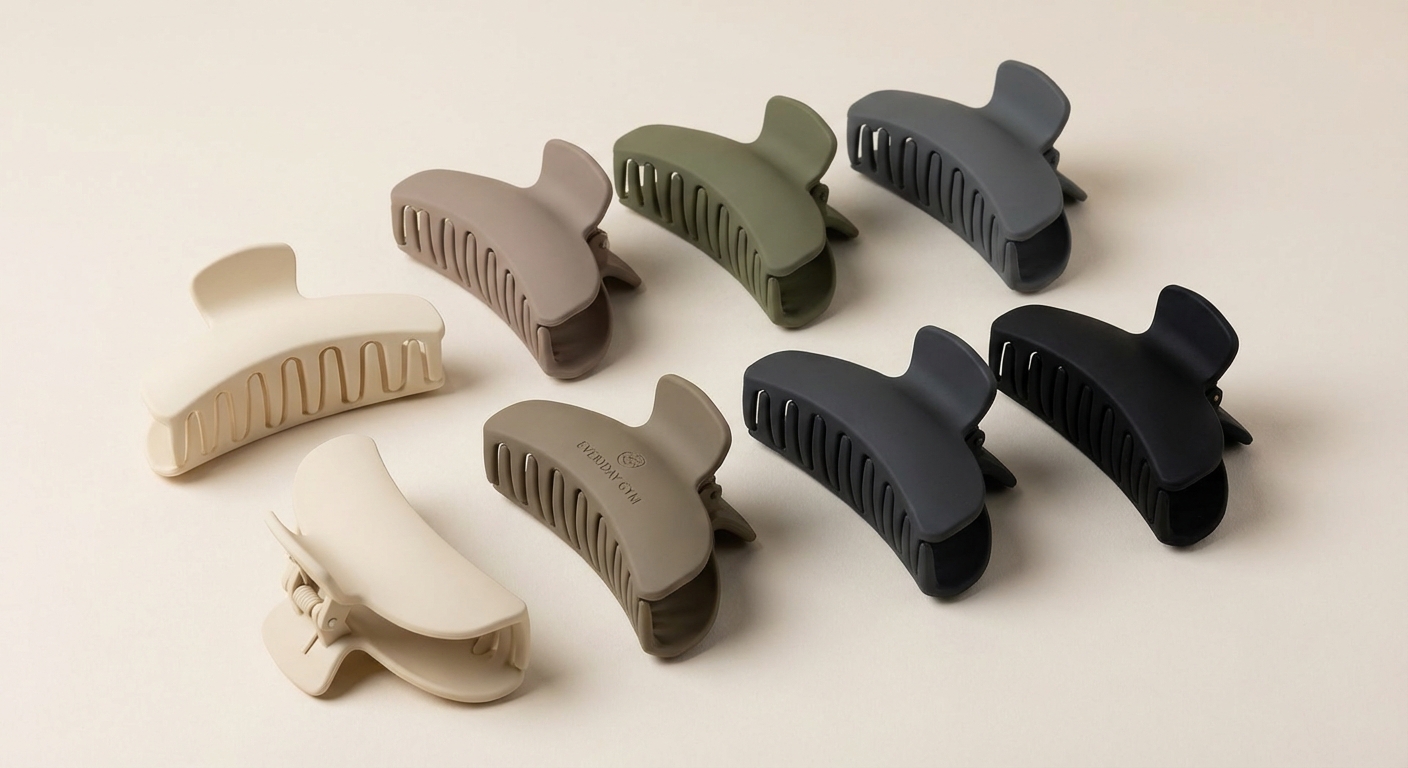
TOCESS 8 Pack Big Hair Claw Clips
“Good quality plastic that works. Checked the edges and they'...” — Verified Buyer
Demonstrates that quality plastic can work well. Matte finish, strong metal springs, and durable construction. A budget option that doesn't sacrifice safety when well-made.
“Good quality plastic that works. Checked the edges and they're smooth.”
— Verified Buyer
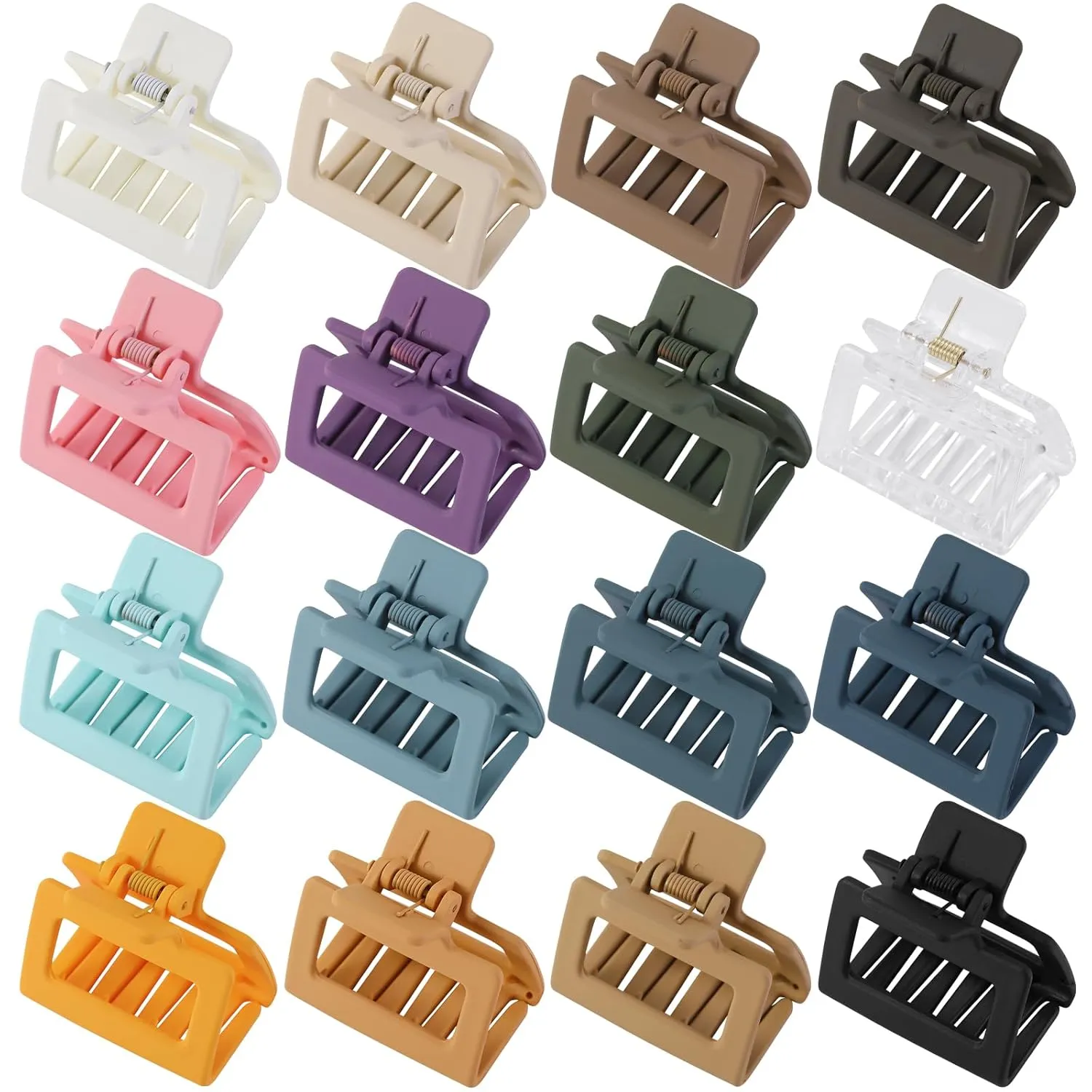
Rectangle Matte Claw Clips (16 Pack)
“Budget-friendly and still safe for my hair. I replace them r...” — Verified Buyer
Budget plastic clips done right. Matte finish is smooth, edges are rounded, and the price allows for regular replacement before degradation becomes an issue.
“Budget-friendly and still safe for my hair. I replace them regularly.”
— Verified Buyer
You can feel the quality difference from plastic. So smooth on my hair.
Quick Comparison
A side-by-side look at our top picks
Frequently Asked Questions
Material matters more than you think
You're paying for gentleness
Plastic can work—but check it

Donna Miller
Enjoyed This Guide?
Get more hair tips and product recommendations delivered weekly.