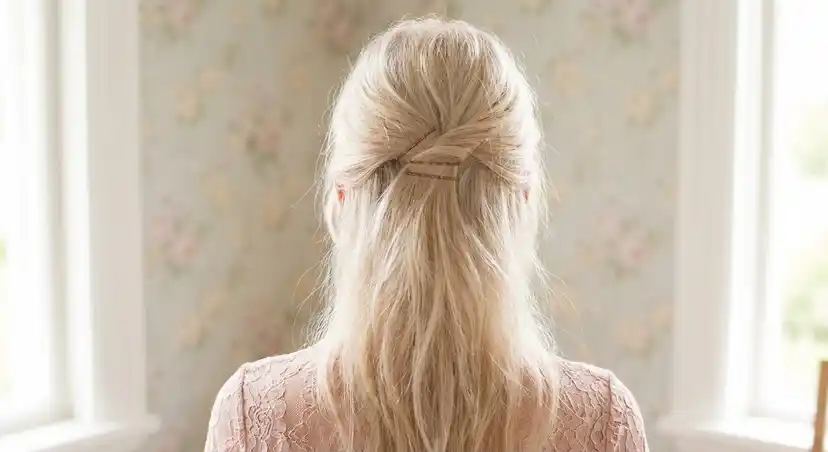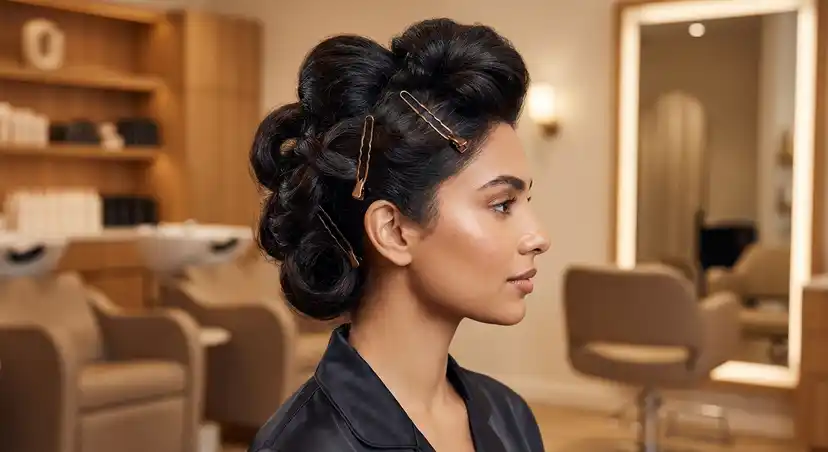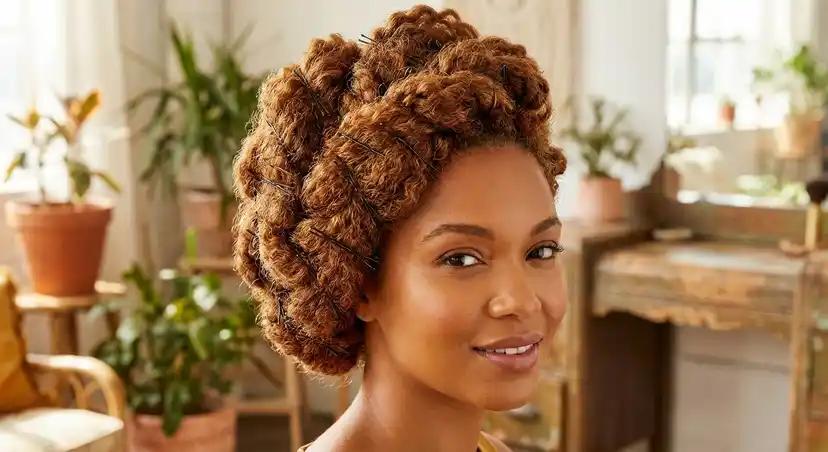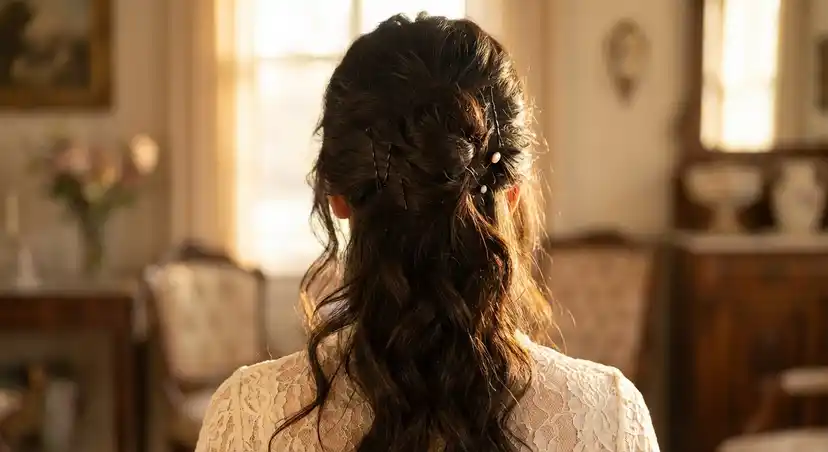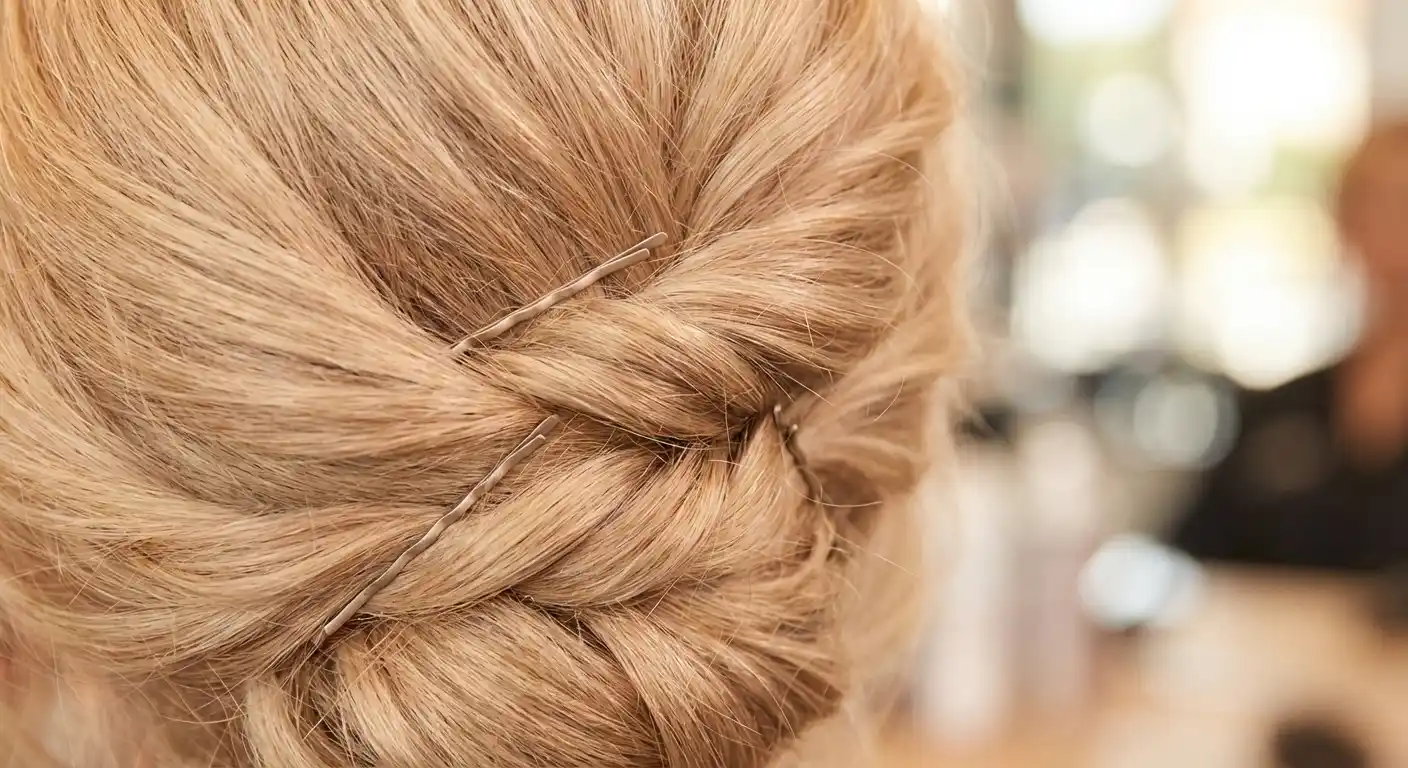
Fine hair has each strand at a smaller diameter than average, making it silky but also slippery. Bobby pins that work perfectly on medium or coarse hair slide right out of fine hair, taking your carefully constructed style with them.
The challenge isn't strength. It's friction. Fine strands are smooth at a microscopic level, and standard pin coatings don't create enough grip. This guide covers what actually holds fine hair and how to use pins effectively.
For complete bobby pin basics, see our ultimate guide to bobby pins. For general slip issues, check why do my bobby pins fall out.
Understanding Fine Hair
Fine hair is often misunderstood, leading to wrong product choices.
Fine Hair vs Thin Hair
| Characteristic | Fine Hair | Thin Hair |
|---|---|---|
| Definition | Small strand diameter | Low strand density |
| Visual | Can be thick or thin looking | Sparse appearance |
| Feel | Silky, soft, smooth | Varies by strand type |
| Challenge | Slippery, won't grip | Shows pins, limited coverage |
| Solution | Textured grip coatings | Mini pins, color matching |
You can have:
- Fine and thin: Small diameter, few strands (most challenging)
- Fine and thick: Small diameter, many strands (slippery but plenty of hair)
- Coarse and thin: Large diameter, few strands (pins grip, but limited hair)
- Coarse and thick: Large diameter, many strands (easiest for pins)
This guide focuses on strand diameter (fine vs coarse). For density issues, see best bobby pins for thin hair.
Why Fine Hair Rejects Standard Pins
The physics of fine hair and bobby pins:
- Surface smoothness: Fine strands have a smoother cuticle layer
- Less friction: Smooth meets smooth, nothing catches
- Weight distribution: Fine strands are lighter, less force to anchor
- Elasticity: Fine hair bends more, allowing pins to work loose
Standard bobby pins with smooth enamel coating have no mechanism to grip fine strands. They need texture.
Key Features for Fine Hair Pins
When shopping for bobby pins, these features matter most for fine hair.
Grip Coating (Most Important)
| Coating Type | Grip on Fine Hair | Notes |
|---|---|---|
| Smooth enamel | Very poor | Will slide out |
| Matte finish | Medium | Helps but may not be enough |
| Rubberized | Very good | Creates friction |
| Textured/crinkle | Excellent | Surface catches strands |
| Flocked | Excellent | Tiny fibers grip hair |
| Powder-coated | Good | More texture than enamel |
For fine hair, avoid any pin described as "smooth" or "glide-in." You want friction, not ease of insertion.
Spring Tension
Fine hair doesn't need extreme tension (that's more important for thick hair), but you do need:
- Consistent tension throughout use
- Pins that close fully without gaps
- Springs that don't weaken quickly
Size Selection
| Pin Size | Works for Fine Hair When... |
|---|---|
| Mini (1.5") | You also have thin hair, need invisibility |
| Standard (2") | General purpose, most styles |
| Jumbo (2.5"+) | Only if you also have very thick (dense) hair |
Most people with fine hair do well with standard size pins. The extra surface area helps with grip.
Tip Design
Fine hair tangles more easily around sharp edges:
- Ball tips: Prevent snagging
- Coated tips: Smooth insertion
- Rounded edges: Won't catch strands
Best Bobby Pins for Fine Hair
These pins specifically address fine hair's grip challenges.
Best Overall: Scunci No-Slip Grip Bobby Pins
Why they work: The grip coating is specifically designed to hold slippery hair. The texture creates friction that fine hair needs.
Best for: Everyday styling, reliable hold
Considerations: Standard size, may need color-matching options
Best for Very Fine Hair: Frenchies Flocked Bobby Pins
Why they work: The flocked coating has tiny fibers that catch each fine strand. It's the most effective grip technology for very fine, slippery hair.
Best for: Hair that slips out of everything else
Considerations: The textured surface can catch on damaged hair
Best Value: Conair Secure Hold Bobby Pins
Why they work: Good grip coating at drugstore prices. Not as effective as premium options but significantly better than basic smooth pins.
Best for: Budget-conscious styling, backup pins
Considerations: Quality can vary by batch
Best Invisible Option: MetaGrip Bobby Pins
Why they work: Japanese grip technology that's nearly invisible once placed. The coating creates friction without being visible or bulky.
Best for: Professional styles, special occasions, when pins must be hidden
Considerations: Premium price point
Best for Fine + Thin Hair: Diane Mini Bobby Pins
Why they work: Mini size addresses thin hair visibility while the professional-grade construction grips fine strands better than drugstore minis.
Best for: Fine hair that's also thin/sparse
Considerations: May need more pins due to size
Comparison Table
| Pin | Grip Rating | Size | Visibility | Best For | Price |
|---|---|---|---|---|---|
| Scunci No-Slip | Excellent | Standard | Medium | Daily use | $ |
| Frenchies Flocked | Superior | Standard | Medium | Very slippery hair | $$ |
| Conair Secure Hold | Good | Standard | Medium | Budget option | $ |
| MetaGrip | Excellent | Standard | Low | Professional styles | $$$ |
| Diane Mini | Good | Mini | Very low | Fine + thin hair | $$ |
Creating Texture for Better Grip
Even the best pins work better on textured fine hair.
Pre-Styling Texture
Before pinning, add texture to give pins something to grip:
Dry Shampoo Method:
- Apply dry shampoo at roots and mid-lengths
- Work through with fingers
- Let sit 1-2 minutes before styling
- Pin into textured sections
Texturizing Spray Method:
- Mist hair lightly throughout
- Scrunch with hands
- Let dry briefly
- Pin while texture is active
Heat Texture Method:
- Use a flat iron or curling iron to add subtle bends
- Let hair cool completely
- Don't brush out, leave texture
- Pin into textured areas
The Day-Two Advantage
Fine hair actually holds pins better on day two or three after washing:
- Natural oils add grip
- Product buildup creates texture
- Hair isn't as smooth/slippery
If you have an event, consider washing hair the day before rather than the morning of.
Section Teasing
For specific areas that need strong hold:
- Take a small section
- Backcomb gently at the roots only
- Smooth the top layer over
- Pin through the teased area
- The texture anchors the pin
Techniques for Fine Hair
Proper technique compensates for fine hair's natural slip.
The Lock Technique
Creates a mechanical lock that doesn't rely on friction alone:
- Insert first pin pointing upward
- Catch some hair around the pin
- Insert second pin pointing downward through the loop
- The pins lock together, trapping hair
The Anchor and Secure
For styles that need reliable hold:
- Anchor: Insert a pin at the base/root of the section, close to scalp
- Secure: Insert a second pin at an angle, catching the first
- The first pin creates an anchor point; the second secures against it
The Weave Method
For updos and elaborate styles:
- Don't just pin to scalp
- Weave the pin through multiple sections
- Each layer the pin passes through adds grip
- Even fine hair holds when mechanically trapped
Hairspray Technique
Hairspray is essential for fine hair:
Before pinning: Light mist creates texture for grip After pinning: Sets the style and adds hold On the pin itself: Some stylists spray pins before inserting for extra stick
The X-Cross
Standard technique, but especially helpful for fine hair:
- Insert first pin at a diagonal
- Insert second pin crossing in an X
- The cross prevents either pin from sliding in any direction
- Use at every stress point in your style
For more detailed techniques, see how to use bobby pins: 15 essential techniques.
Styles That Work for Fine Hair
Some styles are naturally friendlier to fine hair.
Best Styles for Fine Hair
| Style | Why It Works | Key Technique |
|---|---|---|
| Textured half-up | Texture gives pins something to grip | Add waves before pinning |
| Twisted low bun | Twisting creates texture | Pin through twists, not flat hair |
| Braided styles | Braids hold pins better than loose hair | Pin into the braid structure |
| Side-swept style | Asymmetry hides fewer-pin approach | Color-match pins carefully |
| Pinned curls | Curled hair grips better | Curl, cool, then pin |
Styles to Modify for Fine Hair
| Style | The Challenge | Modification |
|---|---|---|
| Sleek ponytail | Smooth hair won't grip pins | Add texture first, use grip pins |
| Classic chignon | Too smooth, pins slide | Tease foundation, curl ends |
| Elaborate updo | Many pins needed | Build texture layer by layer |
| High bun | Weight works against fine hair | Secure with spin pin instead |
Common Mistakes with Fine Hair
Using Smooth Pins
The most common mistake. If your pins are shiny and smooth-coated, they'll never hold fine hair reliably. Switch to textured or grip-coated pins.
Skipping Texture
Fine hair fresh from the shower is at its slipperiest. Never style without adding texture first, whether through products, heat, or time.
Wrong Pin Orientation
The wavy side faces your scalp. This matters even more with fine hair because you need every bit of grip the pin can provide.
Over-Relying on More Pins
More pins don't compensate for wrong pins. Five grip-coated pins will hold better than fifteen smooth pins.
Fighting Hair's Nature
Fine hair wants to slip. Work with it by:
- Adding texture it can hold onto
- Using mechanical holds (crossing, weaving)
- Choosing styles that accommodate its nature
FAQs
Why do my bobby pins always slide out of my hair?
Fine hair is slippery at a microscopic level. Standard smooth-coated pins have nothing to grip. Switch to pins with textured grip coatings (Scunci No-Slip, Frenchies Flocked) and add texture to your hair before pinning.
What's the difference between fine hair and thin hair?
Fine hair = small strand diameter (each hair is thin). Thin hair = low density (fewer total hairs). You can have fine but thick hair (many thin strands) or coarse but thin hair (few thick strands). Solutions differ for each.
Should I use mini or standard bobby pins for fine hair?
Standard pins typically work better because they have more surface area to grip. Use mini pins only if you also have thin hair and need invisibility.
How do I add texture to fine hair for better pin grip?
Use dry shampoo at roots, texturizing spray throughout, or add subtle bends with heat tools. Day-two hair (not freshly washed) also holds pins better due to natural oils.
What's the best brand of bobby pins for fine hair?
Scunci No-Slip Grip for budget-friendly daily use, Frenchies Flocked for very slippery fine hair, or MetaGrip for premium performance. All use grip technology designed for fine hair.
Can hairspray help bobby pins stay in fine hair?
Yes. Spray sections before pinning to add texture, spray finished style to set, and some stylists spray the pins themselves for extra grip.
Why do my bobby pins hold better on unwashed hair?
Natural oils and product buildup add texture that fine hair lacks when freshly washed. If you have an event, consider washing hair the day before.
Are expensive bobby pins worth it for fine hair?
Yes, more so than for other hair types. The grip coating technology in premium pins (MetaGrip, Frenchies) makes a significant difference for fine hair that rejects standard pins.
Alternatives for Fine Hair
When bobby pins aren't working, consider these options.
Spin Pins
Spiral pins twist into hair and grip mechanically rather than through friction. One spin pin can replace several bobby pins and often works better for fine hair buns.
See: spin pins vs bobby pins.
Claw Clips
For casual styles, claw clips grip through pressure rather than friction. The mechanical hold works regardless of hair texture.
See: best claw clips for fine hair and bobby pins vs claw clips.
U-Pins for Buns
U-pins (hair pins) anchor by weaving through twisted hair rather than gripping. For buns, they often work better than bobby pins on fine hair.
See: bobby pins vs hair pins.
Decorative Options
If pins won't stay hidden, embrace visible accessories. Decorative barrettes, statement clips, and embellished pins become part of the style rather than fighting to stay invisible.
The Bottom Line
Fine hair needs bobby pins that create friction, not smooth pins that glide through. The essentials:
- Grip coating is non-negotiable: Textured, flocked, or rubberized coatings
- Add texture before pinning: Dry shampoo, spray, or heat styling
- Use technique: Crossing, weaving, and locking methods
- Accept day-two hair: Freshly washed fine hair is the hardest to pin
- Quality matters more: Premium grip-coated pins justify the cost for fine hair
Stop blaming yourself when pins fall out. Your hair isn't the problem. Your pins are. Upgrade to grip-coated pins and add texture, and suddenly bobby pins work like they're supposed to.
For complete bobby pin guidance, see our ultimate guide to bobby pins. For more techniques, check how to use bobby pins: 15 essential techniques. And if considering alternatives, compare bobby pins vs claw clips or spin pins vs bobby pins.
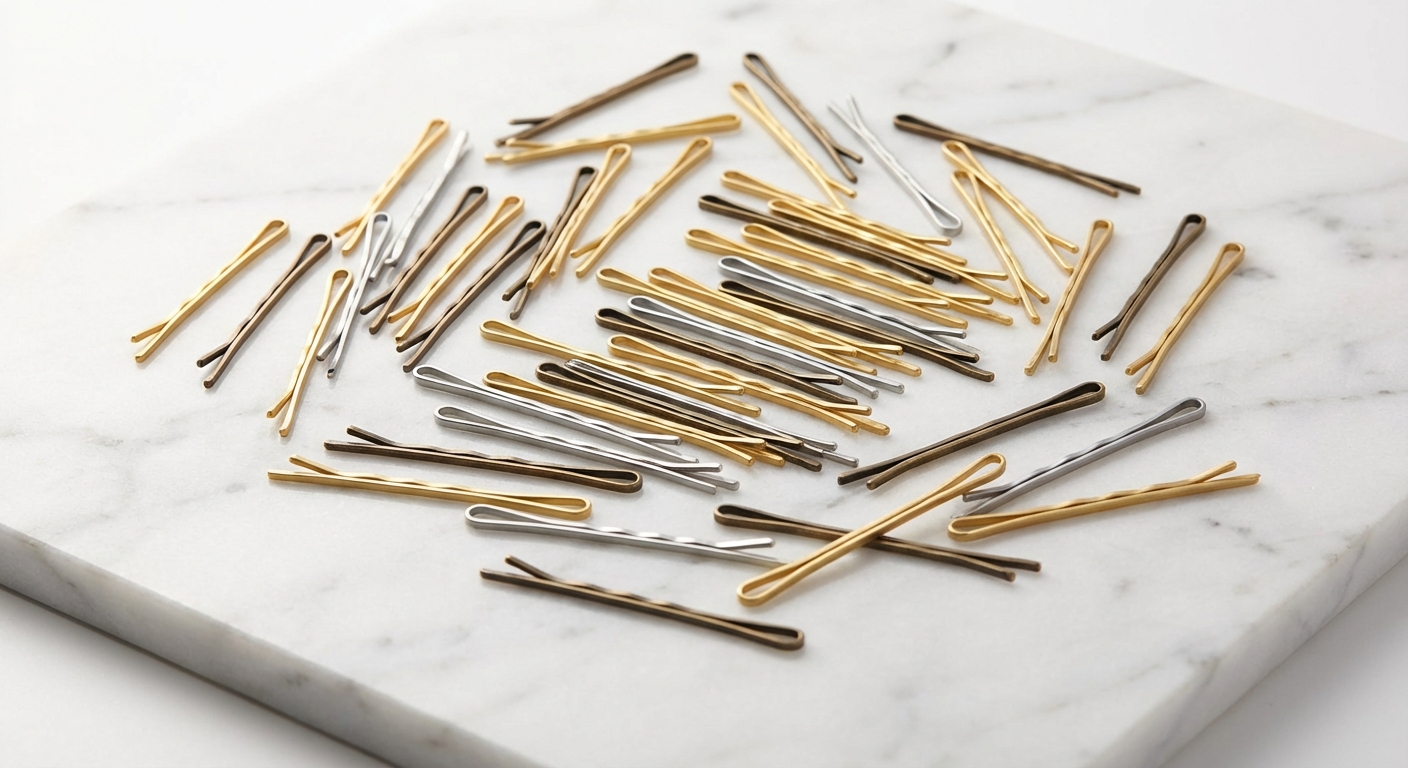
MetaGrip Premium Bobby Pins (100 Pack)
The Japanese grip coating creates friction that holds fine, slippery hair. The texture catches fine strands that slip through smooth-coated pins.
“Finally pins that grip my fine hair! The textured coating makes all the difference....”
We tested dozens of claw clips to find the very best options. Below you'll find our complete ranking, with detailed reviews and real customer feedback for each pick.
The Complete Ranking
MetaGrip Premium Bobby Pins (100 Pack)
“Finally pins that grip my fine hair! The textured coating ma...” — Verified Buyer
The Japanese grip coating creates friction that holds fine, slippery hair. The texture catches fine strands that slip through smooth-coated pins.
“Finally pins that grip my fine hair! The textured coating makes all the difference.”
— Verified Buyer
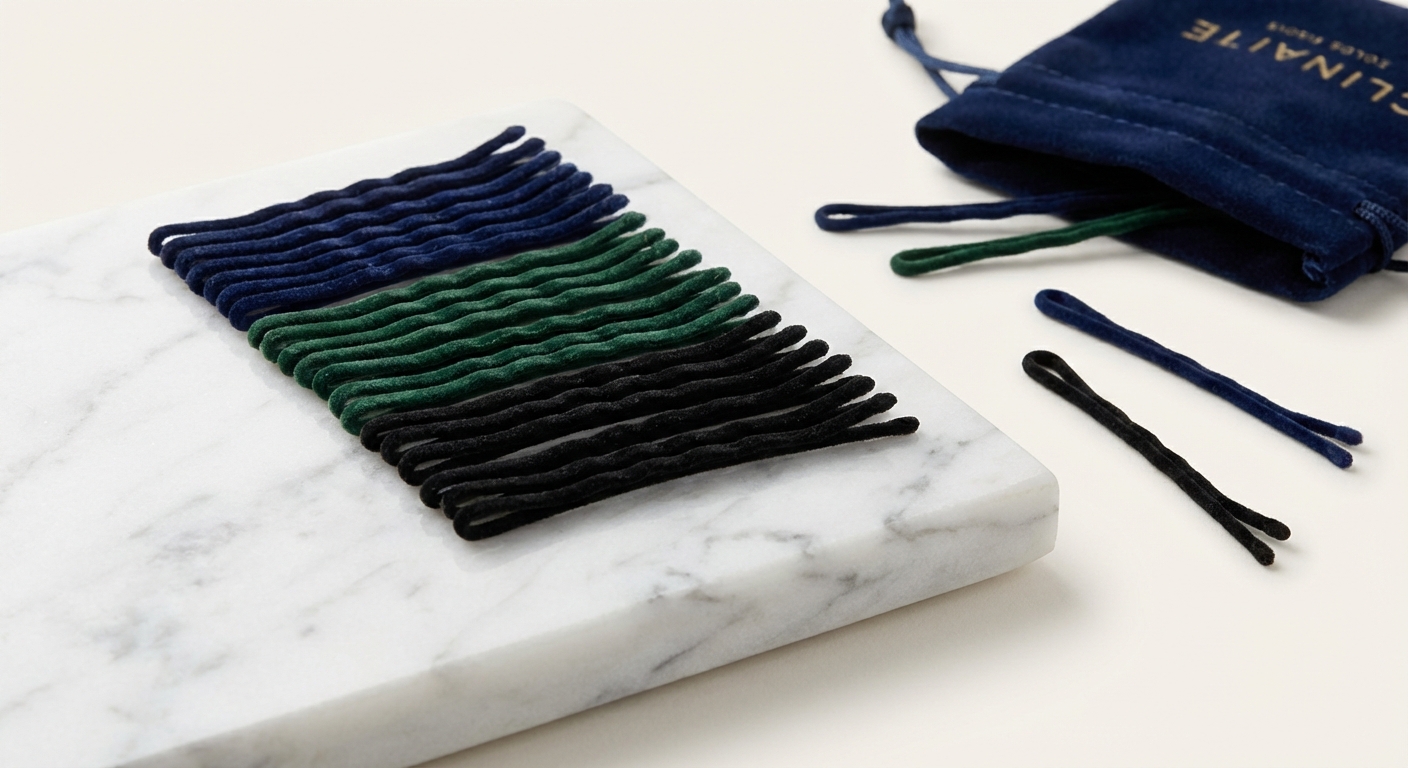
Frenchies Ultra Flocked Bobby Pins (20 Pack)
“The flocked texture grips my fine hair like nothing else. Wo...” — Verified Buyer
Flocked velvet coating creates superior grip on fine strands. Mini size is proportional to fine hair without overwhelming it.
“The flocked texture grips my fine hair like nothing else. Worth the price.”
— Verified Buyer
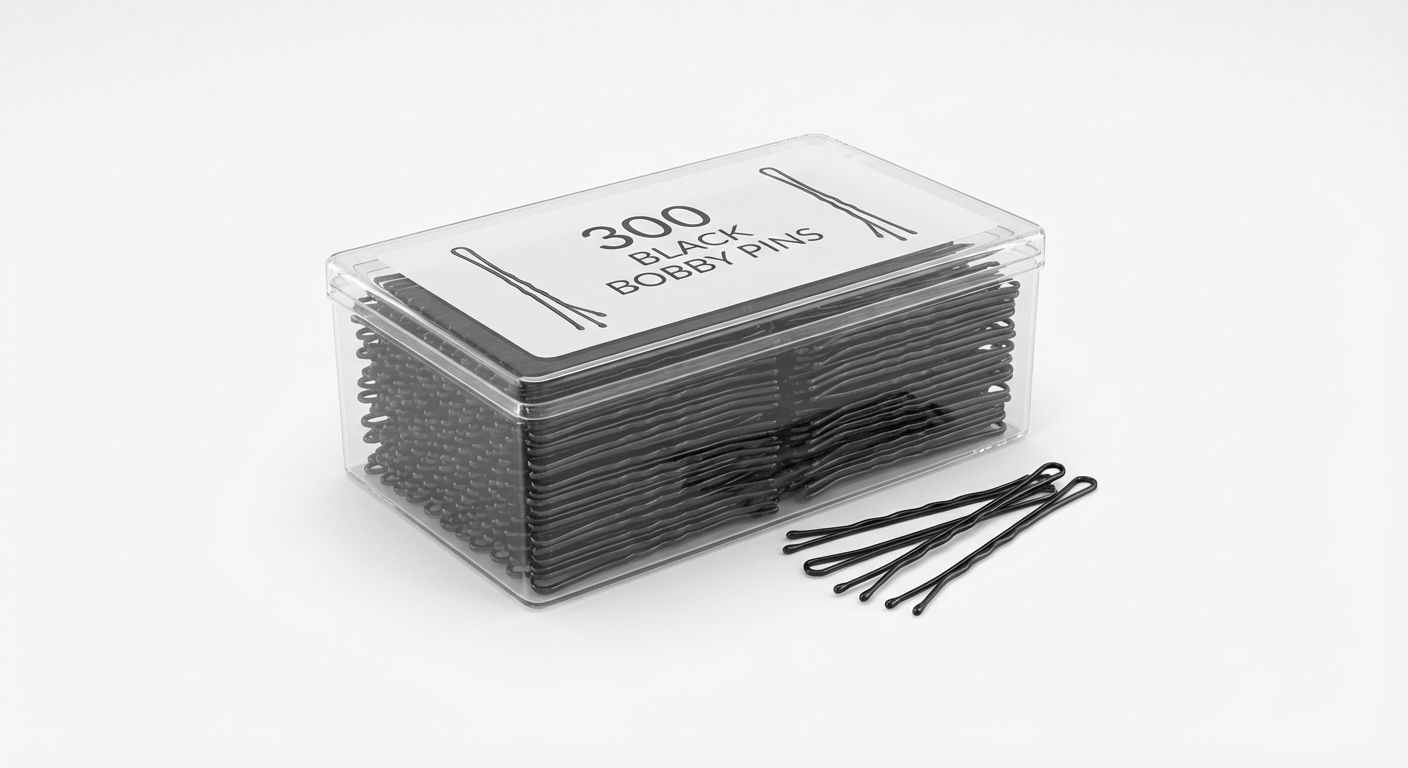
Diane Bobby Pins 1.75" (300 Pack)
“Work well with dry shampoo for my fine hair....” — Verified Buyer
Standard size works for fine hair with proper technique. The quantity lets you experiment with texturizing products to improve grip.
“Work well with dry shampoo for my fine hair.”
— Verified Buyer
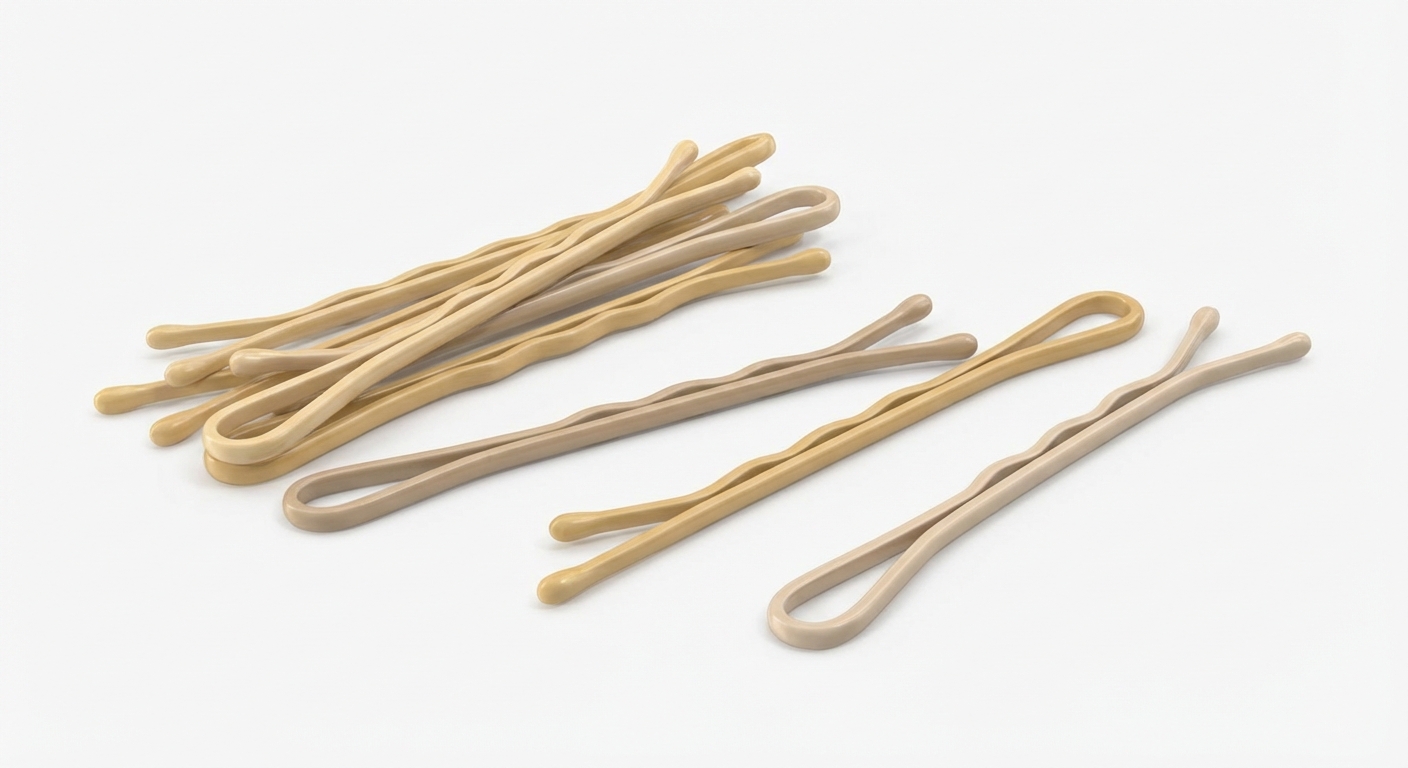
Conair Blonde Bobby Pins (90 Pack)
“Perfect color match for my blonde fine hair. They disappear!...” — Verified Buyer
Color-matched pins are essential for fine hair where pins show more easily. Blonde-specific color disappears into light hair.
“Perfect color match for my blonde fine hair. They disappear!”
— Verified Buyer
Finally pins that grip my fine hair! The textured coating makes all the difference.
Quick Comparison
A side-by-side look at our top picks
Frequently Asked Questions
The Slip Problem
Fine vs Thin Confusion
The Texture Secret

Donna Miller
Enjoyed This Guide?
Get more hair tips and product recommendations delivered weekly.