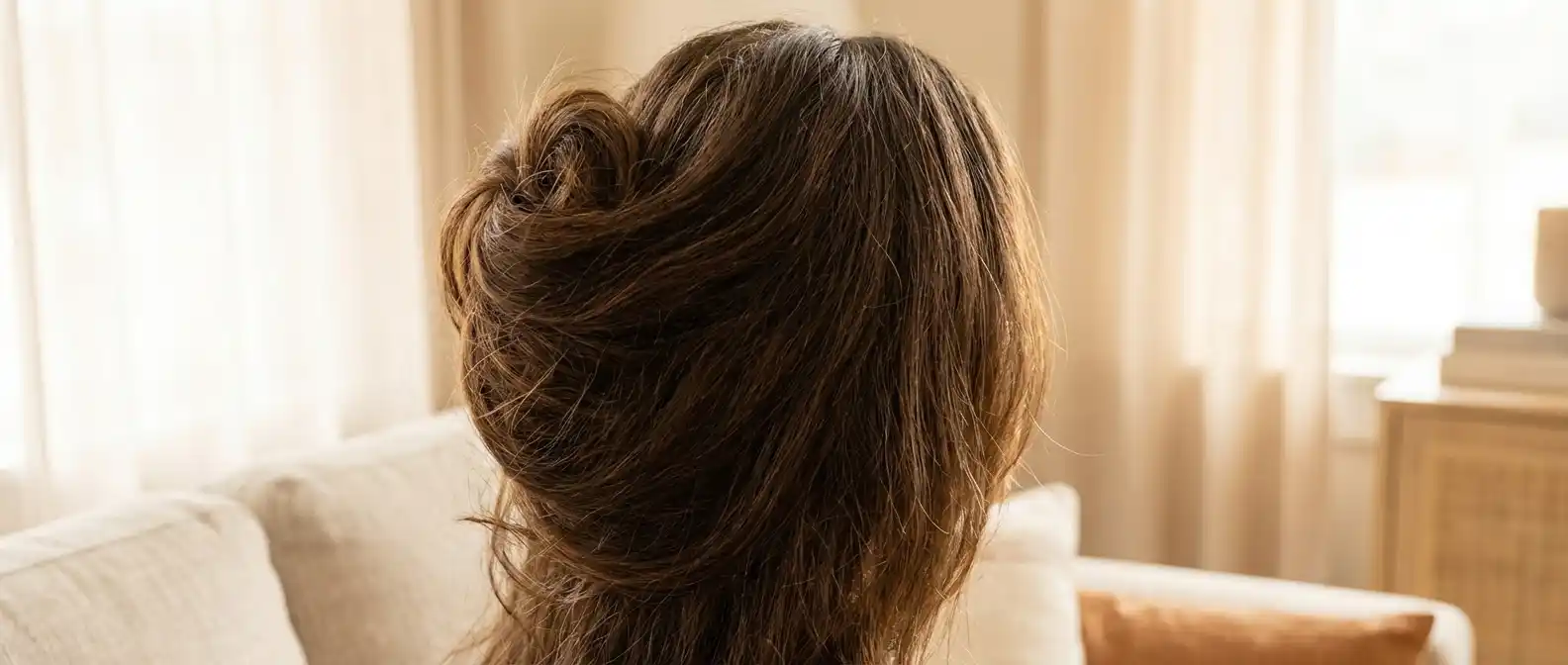

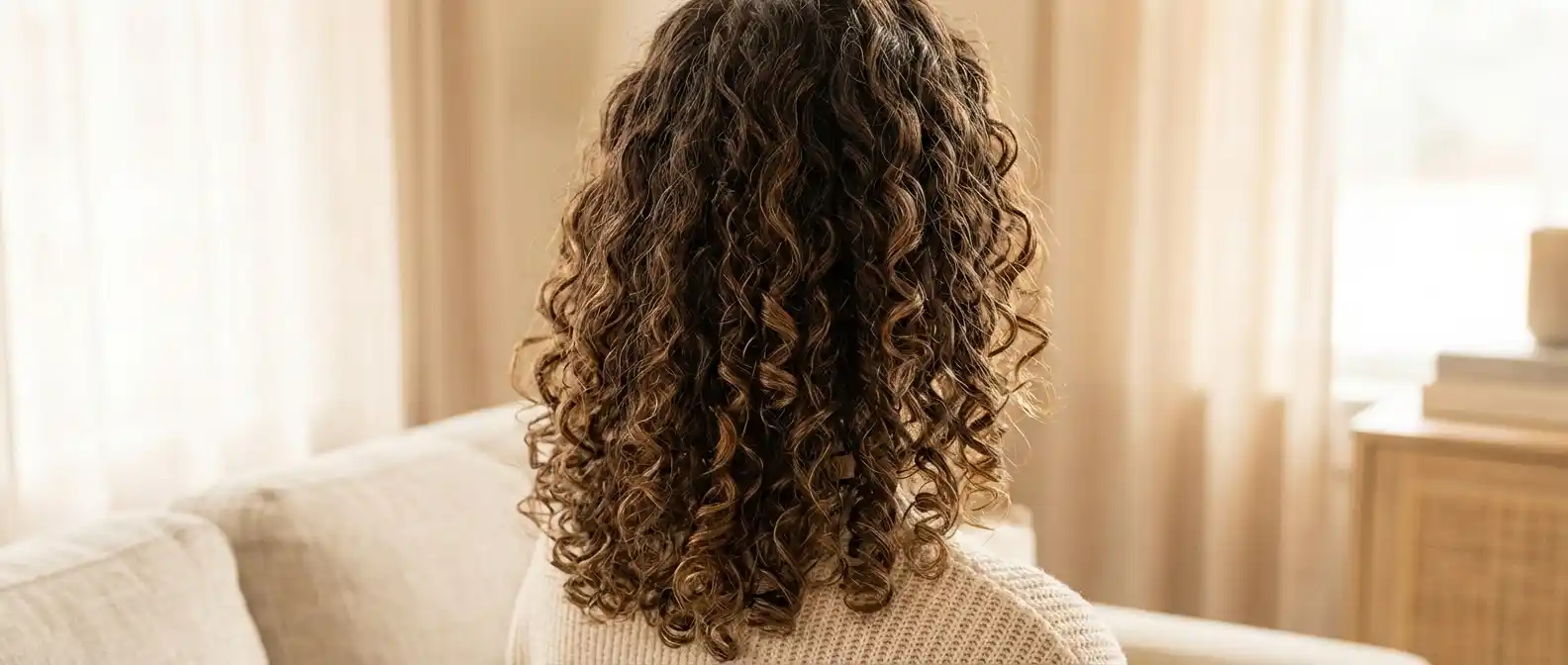

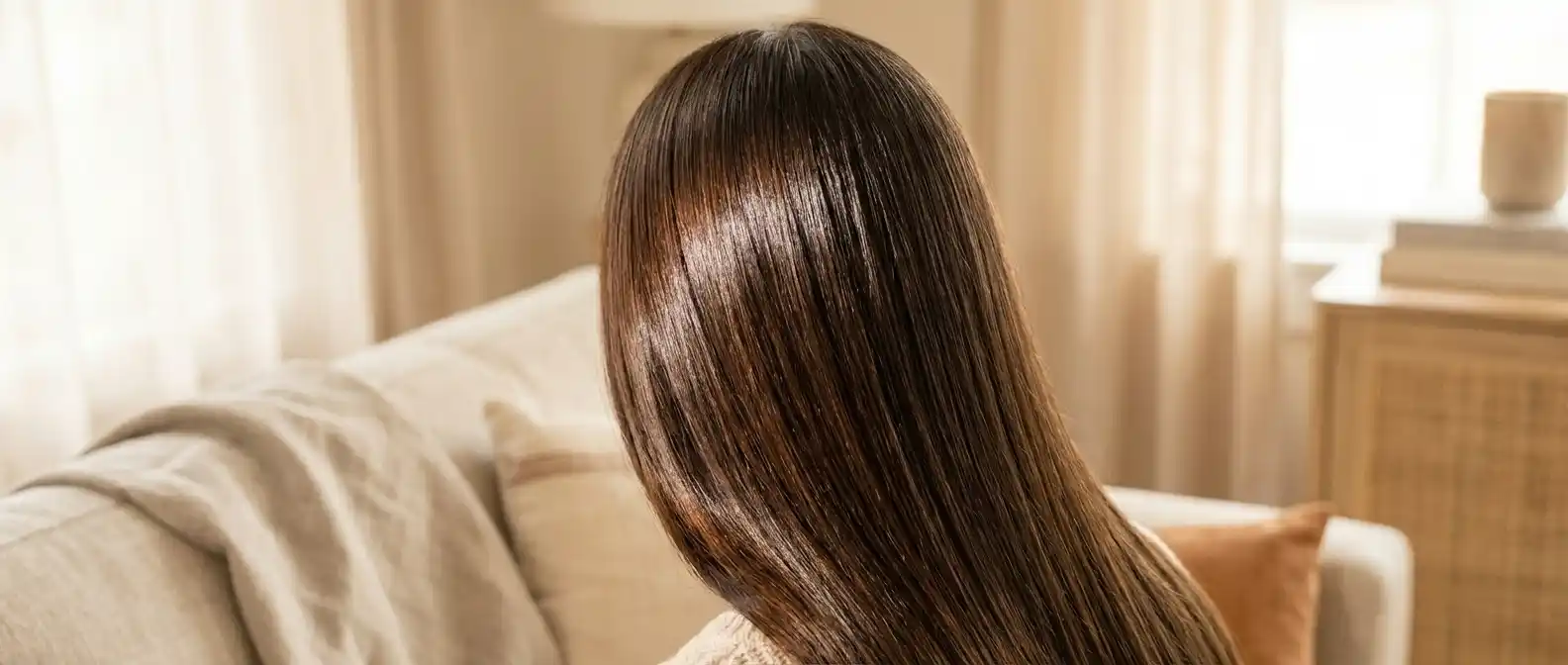
Choosing the right hair accessory isn't about finding what looks pretty—it's about understanding what your hair actually needs. The clip that works perfectly for your friend might slip right out of your hair, and the bobby pins you've used for years could be causing damage without you realizing it.
The truth is, hair type determines everything when it comes to accessories. What grips thick hair will crush fine strands. What holds curly hair will slip off straight locks. Understanding your hair type is the first step to never fighting with a sliding clip again.
This guide breaks down everything you need to know about matching accessories to your specific hair type—because once you understand the science behind why certain clips work (and others fail), choosing the right accessories becomes simple.
Why Hair Type Matters for Accessories
Walk into any store and you'll see hundreds of hair clips, pins, and ties—but very few are labeled for specific hair types. This one-size-fits-all approach is why so many people struggle with accessories that don't stay put.
The Three Factors That Determine Accessory Success
Every successful accessory-hair match comes down to three factors:
| Factor | What It Means | Why It Matters |
|---|---|---|
| Grip | How well the accessory holds onto hair | Determines if it stays in place |
| Weight | How heavy the accessory is | Affects comfort and hold duration |
| Pressure | How tightly the accessory closes | Impacts both hold and potential damage |
Different hair types require different balances of these factors. Thick hair needs strong grip and can handle more weight. Fine hair needs lighter accessories with enhanced grip features. Curly hair needs gentle pressure to avoid crushing curl definition.
The Hair Type Spectrum
Hair varies across multiple dimensions, and understanding where you fall helps you choose accessories:
Density (how many strands):
- Low density: Can see scalp easily
- Medium density: Moderate coverage
- High density: Thick, full coverage
Texture (strand diameter):
- Fine: Small diameter, silky feel
- Medium: Average diameter
- Coarse: Large diameter, may feel rough
Pattern (natural shape):
- Straight: No curl or wave
- Wavy: S-shaped bends
- Curly: Spirals and ringlets
- Coily: Tight, zigzag patterns
Most people have a combination—you might have fine, high-density, wavy hair, or coarse, low-density, straight hair. Each combination has unique accessory needs.
The Six Hair Types and Their Needs
Let's dive deep into each major hair type and what accessories work best.
Thick Hair: Power and Durability
Thick hair is characterized by high density—lots of hair strands creating significant volume and weight. People with thick hair often break standard clips and watch accessories slowly slide down under the weight of their hair.
What thick hair needs:
- Extra-large or jumbo-sized clips
- Metal springs instead of plastic (for durability)
- Wide teeth that can accommodate bulk
- Strong construction that won't snap
What to avoid:
- Small, delicate clips that can't grip enough hair
- Plastic springs that break under pressure
- Clips labeled "for fine hair"—they simply can't handle the volume
Best accessories for thick hair:
- Jumbo claw clips (4+ inches)
- Professional-grade bobby pins
- Strong elastic bands
- Large banana clips
The key with thick hair is upsizing. If you think a clip looks big, it's probably the right size.
Thin Hair: Gentle Volume Building
Thin hair has fewer strands overall, which creates challenges with volume and accessory grip. The goal with thin hair is finding accessories that hold securely without making hair look even flatter.
What thin hair needs:
- Lightweight accessories that don't weigh hair down
- Smaller sizes proportional to hair volume
- Gentle grip mechanisms
- Volume-enhancing designs
What to avoid:
- Heavy accessories that pull hair flat
- Oversized clips that look disproportionate
- Tight springs that crease delicate strands
Best accessories for thin hair:
- Small to medium claw clips
- Lightweight bobby pins
- Soft scrunchies
- Open-center clips that allow volume
The strategy for thin hair is working with what you have. Choose accessories that complement your hair volume rather than overwhelming it.
Curly Hair: Frizz-Free Definition
Curly hair has unique needs because the curl pattern must be preserved. Accessories that work for straight hair often create frizz, dents, or flatten the beautiful curl definition that makes curly hair special.
What curly hair needs:
- Smooth, snag-free surfaces
- Gentle, even pressure distribution
- Open designs that don't compress curls
- Materials that won't catch on the raised cuticle
What to avoid:
- Rough-edged clips that cause frizz
- Tight accessories that leave dent marks
- Uncoated metal pins that snag
- Narrow teeth that create pressure points
Best accessories for curly hair:
- Open-center claw clips
- Satin scrunchies
- Coated bobby pins
- Wide-tooth comb clips
The priority with curly hair is preserving curl pattern. Every accessory choice should consider whether it will disrupt those beautiful curls.
Fine Hair: Secure No-Slip Solutions
Fine hair refers to individual strand diameter—fine strands are smaller and create a silky, slippery texture. Even people with lots of hair can have fine hair if each strand is small in diameter.
What fine hair needs:
- Textured grip surfaces (rubberized, matte, ribbed)
- Multiple contact points for better hold
- Medium spring tension
- Strategic sizing
What to avoid:
- Smooth, polished clip surfaces
- Single-point grip designs
- Very heavy accessories that slide down
- Weak springs that can't maintain grip
Best accessories for fine hair:
- Clips with rubberized or textured teeth
- Spiral bobby pins
- Velvet-lined clips
- Multi-prong designs
The solution for fine hair is adding friction. Since the hair itself is smooth, accessories need grip-enhancing features to compensate.
Wavy Hair: Texture Enhancement
Wavy hair sits beautifully between straight and curly, offering natural body and movement. The goal with wavy hair is embracing and enhancing that texture, not fighting it.
What wavy hair needs:
- Accessories that work with natural movement
- Gentle holds that don't flatten waves
- Open designs that let waves breathe
- Lightweight materials
What to avoid:
- Tight clips that create visible dents
- Heavy accessories that straighten waves
- Rough edges that cause frizz
Best accessories for wavy hair:
- Medium claw clips with open centers
- Tortoiseshell acetate clips
- Soft fabric ties
- Decorative combs
The approach for wavy hair is enhancement over control. Let your waves do their thing while accessories provide gentle support.
Straight Hair: Sleek Secure Styling
Straight hair grows from round follicles and lies flat from root to tip. While it looks manageable, straight hair's smooth texture often causes accessories to slip, requiring specific solutions.
What straight hair needs:
- Grip-enhanced surfaces
- Firm closure mechanisms
- Strategic use of texture products
- Secure but not crushing pressure
What to avoid:
- Smooth, slippery clip surfaces
- Weak springs that can't maintain grip
- Extremely heavy accessories
Best accessories for straight hair:
- Clips with textured or matte interiors
- Coated bobby pins
- Spiral hair ties
- French twist combs
The strategy for straight hair is creating friction where nature didn't provide it. Texture products combined with grip-enhanced accessories solve most holding problems.
How to Identify Your Hair Type
Not sure where you fall? Here are some simple tests:
The Strand Test
Pull out a single strand of hair and examine it:
- Fine: Barely visible, feels silky
- Medium: Visible, average feel
- Coarse: Very visible, may feel rough
The Ponytail Test
Measure around your ponytail base:
- Thin: Less than 2 inches circumference
- Medium: 2-4 inches circumference
- Thick: More than 4 inches circumference
The Pattern Test
Wash your hair and let it air dry without products:
- Straight: Dries completely flat
- Wavy: Develops S-curves or bends
- Curly: Forms spirals or ringlets
The Slip Test
Put in a standard bobby pin and wait an hour:
- High slip: Falls out or migrates significantly
- Medium slip: Moves a bit but stays
- Low slip: Stays exactly where placed
Universal Accessory Principles
Regardless of hair type, some principles apply to everyone:
Quality Over Quantity
One excellent clip that works with your hair type is worth more than ten cheap clips that don't. Invest in accessories designed for your specific needs.
Match Size to Volume
Choose accessories proportional to the amount of hair you're securing. This seems obvious but is the most common mistake people make.
Consider Spring Tension
The spring in a claw clip or the tension in a bobby pin determines grip strength. Test before buying when possible.
Check Interior Surfaces
The inside of a clip is more important than the outside. Look for grip-enhancing textures on the surfaces that contact your hair.
Prep When Necessary
Most hair types benefit from some prep—texture spray for straight hair, smoothing products for frizzy hair, dry shampoo for fine hair. The right products make accessories work better.
Building Your Accessory Collection
Here's a starter collection for each hair type:
For Thick Hair
- 2-3 jumbo claw clips in different styles
- Pack of professional bobby pins (longer, stronger)
- Strong elastic hair ties
- Large decorative clip for special occasions
For Thin Hair
- 2-3 small-medium claw clips
- Lightweight decorative pins
- Silk or satin scrunchies
- Volume-building clip (open center design)
For Curly Hair
- 2-3 large open-center claw clips
- Satin scrunchies in multiple sizes
- Coated bobby pins
- Wide-tooth decorative comb
For Fine Hair
- 2-3 clips with textured/rubberized grips
- Spiral or textured bobby pins
- Velvet scrunchies
- Multi-prong clips
For Wavy Hair
- 2-3 medium claw clips
- Acetate clips (smooth, wave-friendly)
- Soft fabric hair ties
- Decorative pins for accent styling
For Straight Hair
- 2-3 clips with matte or textured interiors
- Coated bobby pins
- Spiral hair ties
- French twist comb
Frequently Asked Questions
Can I use accessories designed for other hair types?
Sometimes. Someone with wavy hair might be able to use accessories for either curly or straight hair depending on the style. But accessories specifically designed for your hair type will always perform better.
How often should I replace hair accessories?
Replace when: springs lose tension, rubber grips wear smooth, edges become rough, or pins lose their grip strength. Quality accessories can last years; cheap ones may need replacing every few months.
Do expensive accessories really work better?
Generally, yes—to a point. Premium clips use better springs, smoother materials, and more durable construction. However, the key is buying accessories appropriate for your hair type, not just expensive ones.
What if my hair has multiple characteristics?
Prioritize the characteristic that causes the most problems. If your fine-wavy hair mostly struggles with slipping, prioritize grip. If frizz is the bigger issue, prioritize smooth surfaces.
Should I use different accessories for different styles?
Absolutely. Half-up styles, full updos, and accent styling all work better with appropriately sized accessories. Build a small collection rather than trying to make one accessory do everything.
How do I know if an accessory is damaging my hair?
Signs include: hair wrapped around mechanisms, breakage where you usually clip, sore spots on scalp, or increased shedding when removing accessories. If you notice these, switch to gentler options.
Conclusion
Understanding your hair type transforms accessory shopping from frustrating guesswork into confident decisions. The key insights:
- Know your type: Density, texture, and pattern all matter
- Match accessories to needs: What works for one type fails for another
- Prioritize the right features: Grip, weight, and pressure vary by type
- Build a targeted collection: A few great pieces beat many wrong ones
- Don't fight your hair: Work with its natural characteristics
Your hair type isn't a limitation—it's information. Use it to choose accessories that let your hair look its best with minimum effort and maximum style.
Ready to find your perfect accessories? Explore our detailed guides for each hair type:
- Thick Hair Guide: Heavy-duty clips for voluminous hair
- Thin Hair Guide: Gentle, volume-building accessories
- Curly Hair Guide: Frizz-free, curl-friendly options
- Fine Hair Guide: No-slip solutions for slippery strands
- Wavy Hair Guide: Texture-enhancing accessories
- Straight Hair Guide: Sleek and secure styling


